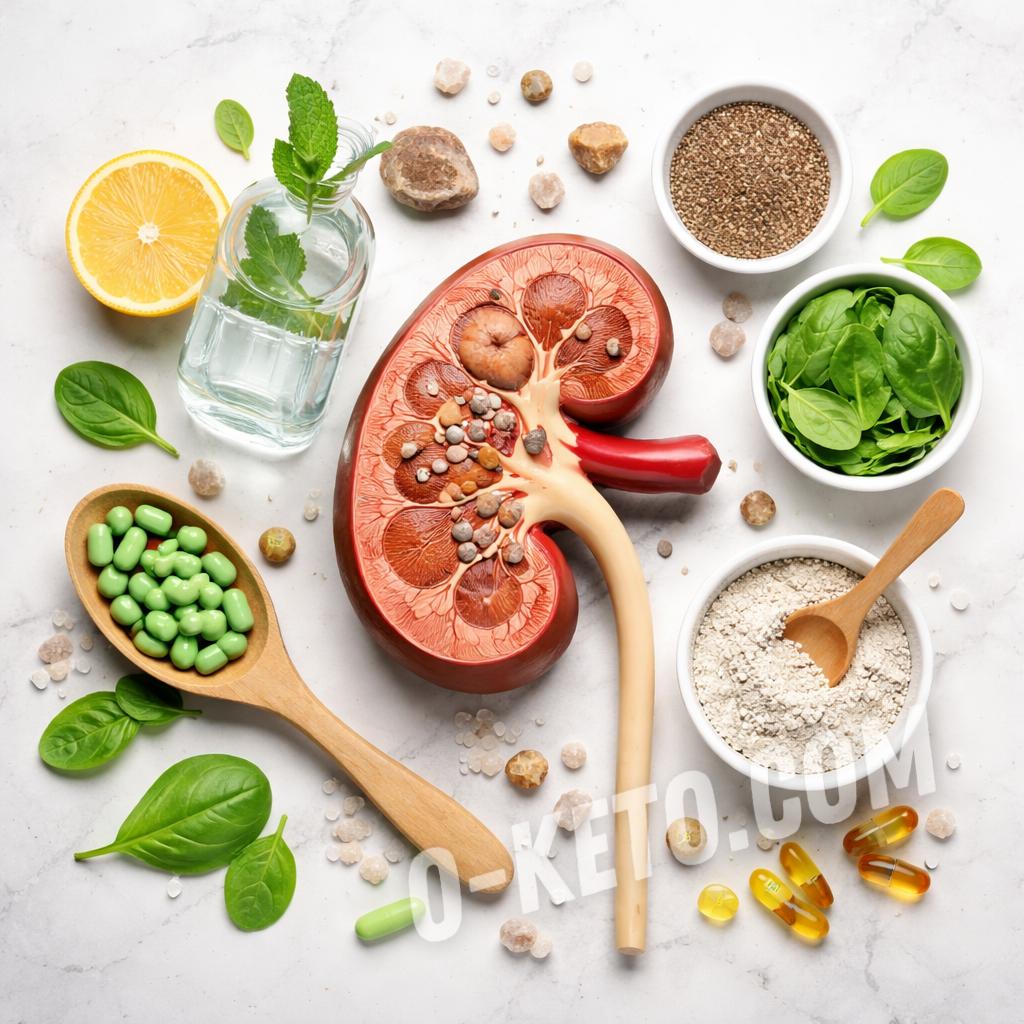
Oxalate stones


Oxalate stones — one of the most common types of kidney stones. They form when calcium oxalate crystallizes and are often associated not so much with the intake of oxalates from food, but with metabolic disorders, the condition of the intestines, and electrolyte balance.
Causes of Formation
- increased endogenous formation of oxalates (for example, from glyoxylic acid and ascorbic acid);
- disruption of intestinal function and reduction of bacteria that break down oxalates;
- increased intestinal permeability and inflammatory processes;
- deficiency of magnesium, potassium, and vitamin B6;
- dehydration and high urine concentration;
- excess free calcium in the urine due to impaired regulation.
Mechanism of Formation
Oxalates bind with calcium in the urine and form crystals at high concentrations. In the absence of protective factors — magnesium, citrates, and normal hydration levels — these crystals begin to aggregate and form stones:
- magnesium binds oxalates and prevents their crystallization;
- citrates inhibit crystal growth;
- sufficient urine volume reduces salt saturation;
- vitamin B6 reduces oxalate formation in the liver.
Symptoms
- sharp pain in the lower back or along the ureter;
- blood in the urine;
- frequent urges to urinate;
- nausea and vomiting;
- burning and discomfort during urination.
Diagnosis:
- urine analysis assessing oxalates, calcium, citrates, and density;
- biochemical blood test (electrolytes, kidney function);
- ultrasound or computed tomography.
Prevention and Correction
- maintaining adequate hydration levels (light-colored urine as a guideline);
- sufficient magnesium intake (citrate, glycinate) to bind oxalates;
- monitoring potassium and sodium levels to maintain water-electrolyte balance;
- optimizing vitamin B6 levels to reduce oxalate synthesis;
- supporting intestinal microbiota;
- moderate consumption of high-oxalate foods without strict restrictions;
- adding sources of citrates (e.g., lemon water).
Additional risk factors:
- chronic stress and elevated cortisol levels;
- insulin resistance and glucose metabolism disorders;
- excessive intake of vitamin C in high doses;
- low physical activity and fluid retention.
Approach from a Nutritional Perspective
The modern approach focuses not on excluding oxalates, but on restoring metabolic balance. Key aspects include normalizing intestinal function, ensuring adequate mineral levels, and maintaining stable hydration.
For those prone to stone formation, it is important to address the underlying cause: improving electrolyte balance, supporting enzymatic processes, and reducing inflammation, rather than simply restricting certain foods.
If you have any questions о термине "Oxalate stones", you can ask them to our bot.
List of videos from YouTube by request "Oxalate stones":