


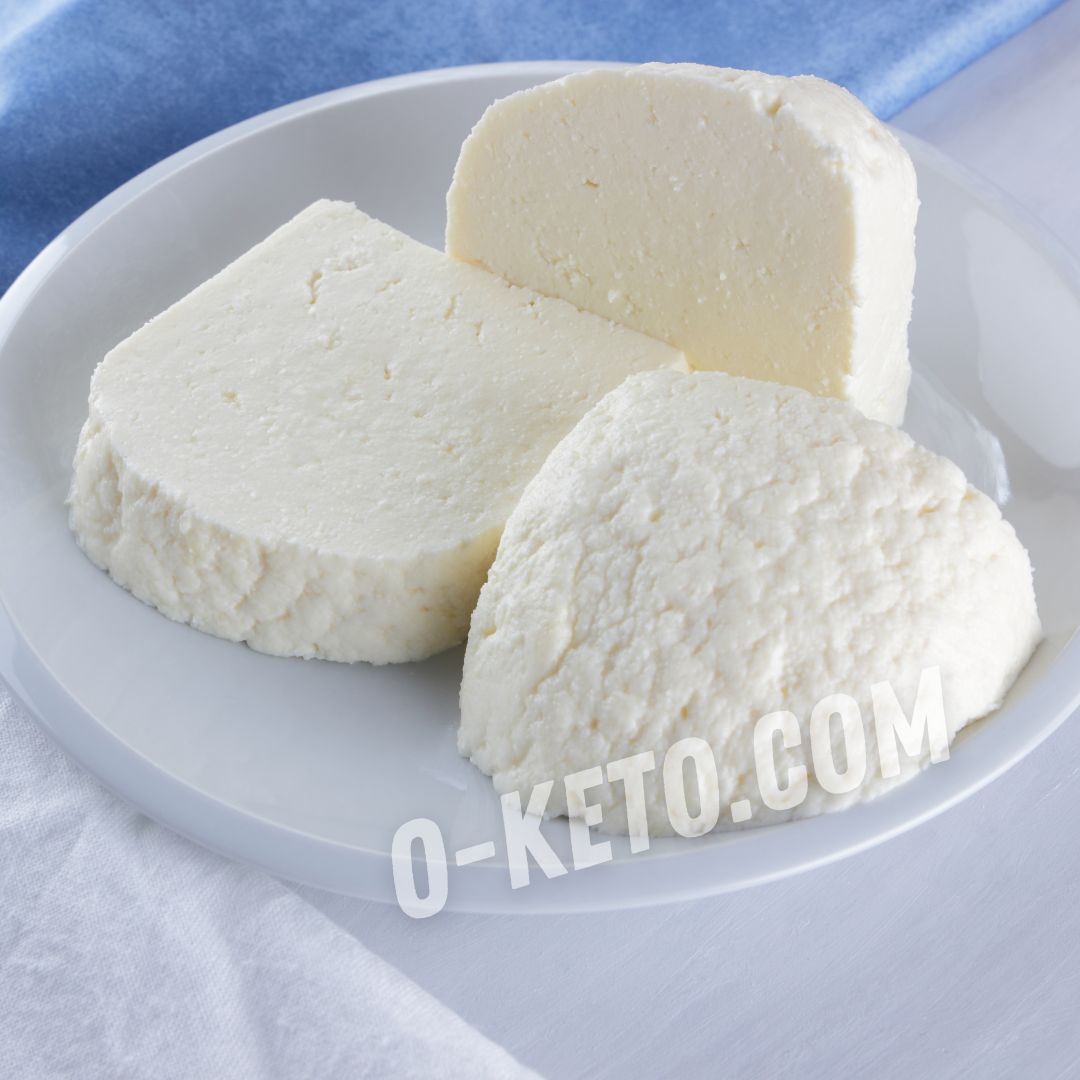

Brynza is a brined cheese with a firm but crumbly texture and a bright salty taste. It is made from sheep, cow, goat milk, or a mixture of different milks. This cheese is common in Balkan, Caucasian, Eastern European, and Middle Eastern cooking: it is eaten fresh, added to salads, baked with vegetables, used in fillings, and served as a salty appetizer.
The main feature of brynza is brine. It keeps the cheese moist, increases saltiness, and affects storage life. Unlike hard aged cheeses, brynza usually has no rind and easily crumbles or cuts into cubes. The taste can be mild milky, sharp, sour, or very salty depending on milk, starter culture, and aging.
Nutritional value
In 100 g of brynza there are usually about 240–300 kcal, 14–20 g protein, 18–25 g fat, and 0–3 g carbohydrates. A 30 g piece may contain roughly 70–100 kcal, 5–7 g protein, and 6–8 g fat. The glycemic index is low because mature brined cheese contains little sugar.
Brynza contains calcium, phosphorus, sodium, B vitamins, and fat-soluble vitamins in amounts that depend on milk and fat content. But the practical nuance matters more than attractive nutrient lists: this cheese can be very salty. If brynza is too salty, it is sometimes soaked in cold water or milk, but taste and texture become softer.
Is it suitable for keto?
For keto and LCHF, brynza usually fits well: carbohydrates are low, protein and fat are present, the taste is concentrated, and the portion is easy to control. It can make a salad or vegetable dish more filling without bread, grains, or sweet sauces.
At the same time, brynza should not automatically be treated as unlimited. It contains a lot of salt and calories, and some versions are leaner than expected. If a dish is built only from lean vegetables and brynza, extra fat may be needed for keto: olive oil, avocado, eggs, or meat.
How to use it
Brynza is added to salads with cucumbers, tomatoes, herbs, olives, and oil; to baked peppers, zucchini, eggplant, and cauliflower; to omelets, egg muffins, savory casseroles, and meat fillings. It can be crumbled by hand, cut into cubes, or mashed with sour cream and herbs.
When heated, brynza does not melt in the stretchy way mozzarella does. It softens, dries slightly on top, and gives salty milky pieces. For crustless pizza or casseroles, it is often mixed with better-melting cheeses, egg, cream, or cottage cheese.
How to choose
Good brynza smells of milk and brine, without mustiness, bitterness, or sharp sourness. The color should be even: white, cream, or slightly yellowish. The surface may be moist but not slimy. Cheese that is too loose, pasty, or unpleasantly smelling is a poor sign.
The ingredient list is better short: milk, starter culture, rennet, salt. Industrial brynza may contain acidity regulators or firming agents; this is not always a problem, but a product with plant fats is no longer ordinary brynza. If the cheese is sold in brine, the package should be intact and not swollen.
What to pair it with
For a low-carb plate, cucumber, moderate tomato, leafy salads, spinach, bell pepper, zucchini, eggplant, cauliflower, eggs, chicken, lamb, olives, olive oil, dill, parsley, mint, basil, and black pepper work well. Sweet sauces, honey, and flour baking quickly change the profile of the dish.
Limitations
The main limitation is salt. When sodium needs to be reduced, the portion is lowered or a less salty cheese is chosen. Brynza is unsuitable for milk protein allergy. With lactose intolerance, reaction is individual: brined cheeses usually contain less lactose than milk, but it is not always zero.
How to store it
Brynza is kept in the refrigerator, preferably in its own brine or in a tightly closed container. If there is too little brine, the cheese dries quickly and becomes sharper. A piece should be taken with a clean fork or spoon. Homemade brine can be made from cold water and salt, but a solution that is too weak shortens storage.
What can replace it?
The closest replacements are feta, sirene, chanakh, brined sulguni, Adyghe cheese, or firm goat cheese. Feta is usually fattier and creamier, Adyghe cheese is softer and less salty, and sulguni is more elastic. In salads, feta can replace brynza, but salt in the dressing should then be reduced.


