


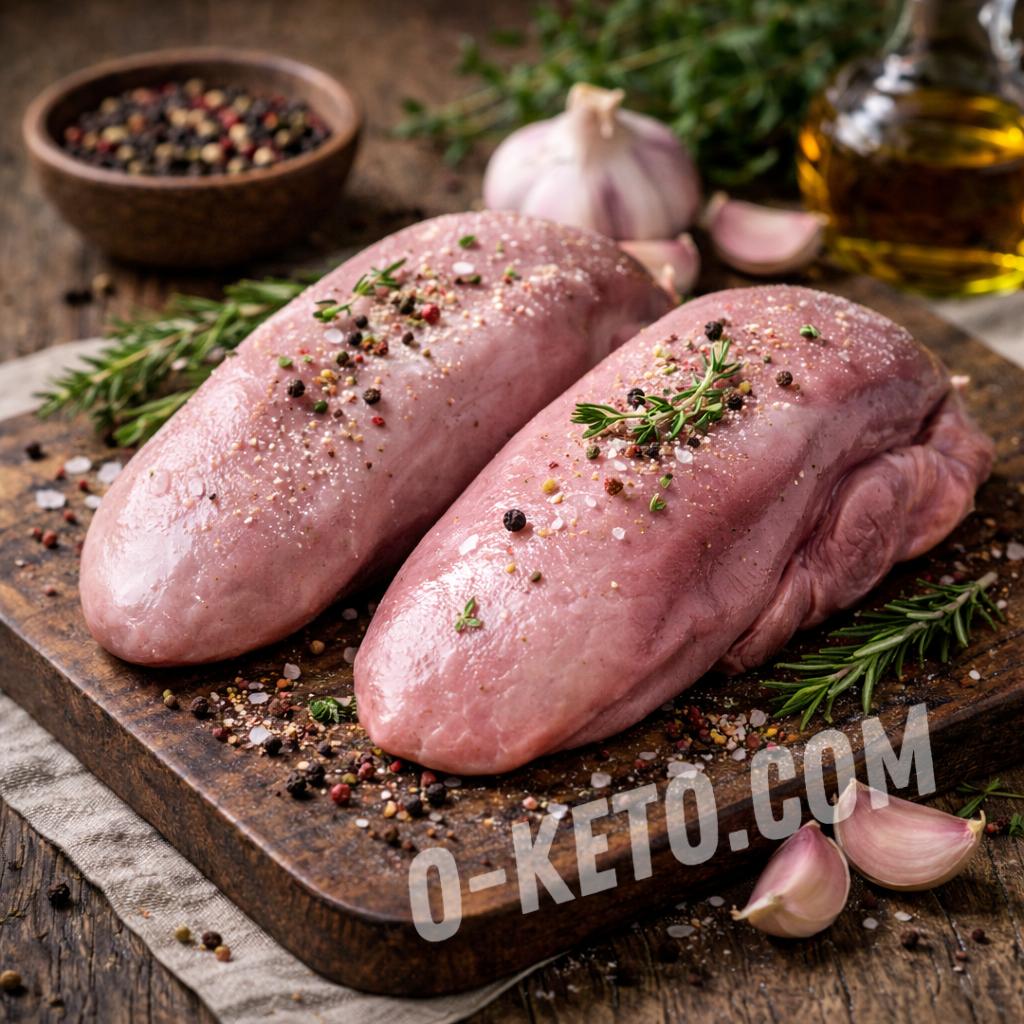

Pork tongue is a nutritious meat by-product with a soft texture and rich flavor. In cooking, it is valued for its versatility: after proper boiling, the tongue can be used for cold appetizers, salads, jellied dishes, hot meals, and meat platters. Due to its high protein content and lack of carbohydrates, pork tongue fits well into low-carb diets.
This product contains B vitamins, iron, zinc, and other trace elements that participate in energy metabolism and support the normal functioning of the body. Moreover, the taste of the tongue is significantly milder than that of many other offal, making it suitable even for those who usually do not like internal organs.
Nutritional Value of Pork Tongue
Pork tongue contains complete protein, a moderate amount of fat, and virtually no carbohydrates.
The average nutritional value per 100 g of the product:
- calories – 210–250 kcal
- protein – 15–18 g
- fat – 16–18 g
- carbohydrates – 0 g
The glycemic index of pork tongue is zero, as the product contains no carbohydrates.
Vitamins and Trace Elements
Pork tongue contains a number of important vitamins and minerals that make it a nutritionally dense product:
- vitamin B12
- vitamin B2 (riboflavin)
- niacin (vitamin B3)
- iron
- zinc
- phosphorus
- selenium
Thanks to this composition, pork tongue can serve as a good source of protein and trace elements in a meat diet.
Cooking Features
Before cooking, pork tongue is usually thoroughly washed and then boiled until tender. After boiling, the tough outer skin is removed. This step makes the texture tender and pleasant.
The most common ways to use it include:
- boiled tongue in slices
- tongue in salads
- jellied tongue
- pan-frying slices after boiling
- stewing in cream or mushroom sauce
Pairings in Dishes
Pork tongue pairs well with simple and flavorful ingredients:
- garlic
- mustard
- horseradish
- pickles
- mushrooms
- herbs
Such combinations help to enhance the flavor of the tongue and make dishes more expressive.
Use in Diet
Pork tongue can be used as a standalone protein product or as an ingredient for more complex dishes. It is well-suited for diversifying a meat menu and allows for the inclusion of not only muscle meat but also nutritious offal.
When properly cooked, pork tongue becomes soft, juicy, and rich in flavor, making it an excellent option for both everyday meals and festive dishes.


