


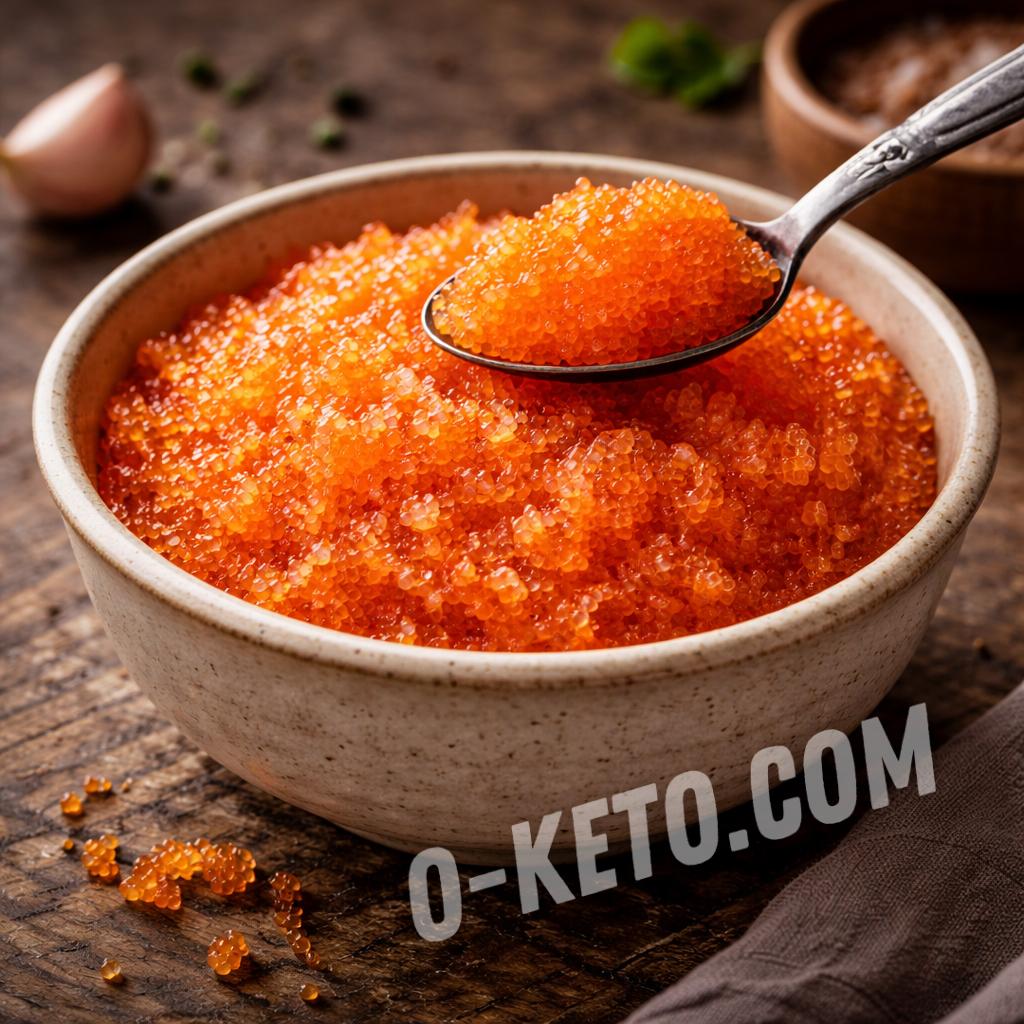

Pollock caviar — is a product made from the roe of the fish Theragra chalcogramma (pollock), which is widely used in the cuisines of East Asian and Eastern European countries. It is valued for its delicate texture, moderately salty taste, and high nutritional value. Pollock caviar contains easily digestible protein, beneficial fatty acids, and a range of important vitamins and minerals.
This product is often used as a standalone snack, as well as an ingredient for salads, sandwiches, and various cold dishes. Due to its low carbohydrate content and high nutritional density, pollock caviar can be used in low-carb and keto diets.
Nutritional Value of Pollock Caviar
Pollock caviar contains a significant amount of protein and healthy fats necessary for maintaining energy and normal metabolism.
| calories | 150–200 kcal |
| proteins | 24–30 g |
| fats | 3–6 g |
| carbohydrates | 0–2 g |
In addition to macronutrients, pollock caviar contains a number of vitamins and minerals:
- vitamin A;
- vitamin D;
- B vitamins (especially B12);
- iodine;
- selenium;
- phosphorus.
Health Benefits
Due to its composition, pollock caviar can be a beneficial addition to the diet:
- source of easily digestible protein;
- contains omega-3 fatty acids;
- supports immune system function;
- participates in metabolism;
- supports skin and nervous system health.
Glycemic Index
Pollock caviar contains virtually no carbohydrates, so its glycemic index is 0. This means that the product does not cause an increase in blood sugar levels.
- glycemic index — 0;
- glycemic load — 0;
- suitable for low-carb diets;
- can be used in keto nutrition.
Culinary Uses
Pollock caviar is a versatile ingredient and can be used in various dishes.
Popular ways to consume it:
- spread on bread or toast;
- added to salads;
- snacks with vegetables;
- sauces and pastes;
- added to fish dishes.
Pollock caviar is a nutritious seafood product that can diversify the diet and provide the body with protein, vitamins, and minerals.


