


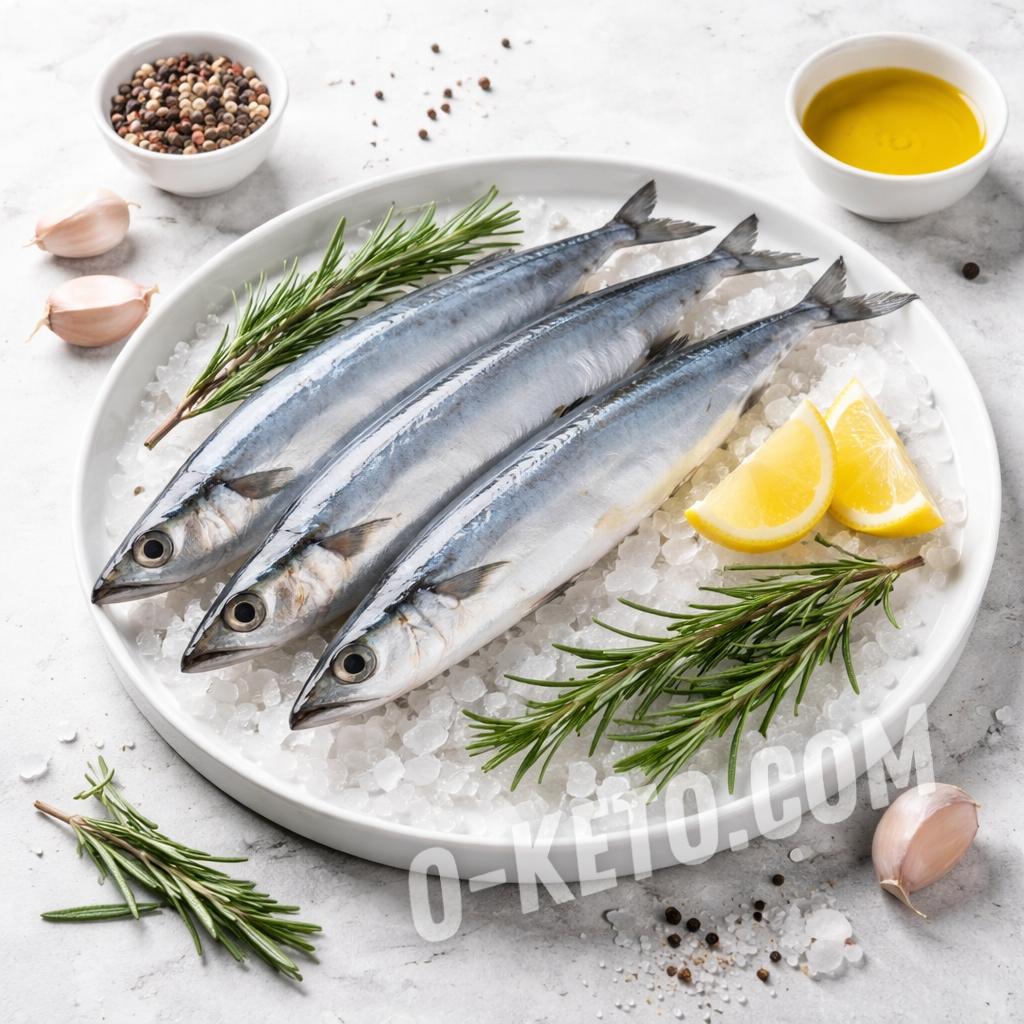

Saira — a marine fish from the mackerel family, valued for its rich flavor and high nutritional density. It is widely used in cooking due to its availability and versatility: the fish can be baked, fried, grilled, or used in salads and appetizers.
Saira is well-suited for low-carbohydrate diets, as it contains a high amount of protein and healthy fats with no carbohydrates.
History and Origin
Saira inhabits the cold and temperate waters of the Pacific Ocean, particularly abundant along the coasts of Japan, Korea, China, and the Far East. The fish leads a schooling lifestyle and migrates actively, making it an important target for commercial fishing.
Saira has gained the most popularity in Asian cuisine, where it is traditionally cooked over an open flame, baked whole, or used in soups. Due to its rich flavor and high nutritional value, this fish has become a common product in European countries over time.
Nutritional Value
Saira is characterized by a high concentration of protein and fatty acids, making it a nutritious food for maintaining energy, tissue repair, and normal metabolic function.
| Calories | 200–250 kcal |
| Proteins | 22–25 g |
| Fats | 10–15 g |
| Carbohydrates | 0 g |
The fats in saira are predominantly polyunsaturated fatty acids, including omega-3. These fatty acids are involved in regulating inflammatory processes, brain function, and lipid metabolism.
Main Vitamins and Minerals:
- Vitamin D is involved in calcium metabolism and supports the immune system;
- Vitamin B12 is essential for the nervous system and blood formation;
- B vitamins are involved in energy metabolism;
- Selenium protects cells from oxidative stress;
- Iodine is necessary for the synthesis of thyroid hormones.
Health Benefits
Regular consumption of fatty marine fish contributes to the intake of essential fatty acids, protein, and trace elements. Omega-3 fatty acids are involved in the functioning of the nervous system, support brain function, and help regulate inflammatory processes.
The high content of complete protein makes saira a beneficial product for tissue repair, maintaining muscle mass, and normal metabolism. Additionally, the combination of protein and fats provides good satiety and stable energy levels.
Saira in Low-Carbohydrate and Keto Diets
Saira contains virtually no carbohydrates, making it well-suited for carbohydrate-controlled diets. The fish provides the body with protein, fatty acids, and trace elements without affecting blood glucose levels.
The optimal portion is usually 100–200 g per meal. Saira can be paired with low-carbohydrate vegetables and natural fats, such as olive oil or avocado.
Culinary Uses:
- baking whole fish in the oven;
- grilling;
- adding to salads and cold appetizers;
- using in fish soups;
- preparing canned saira.
Thanks to its high nutritional value and versatility in cooking, saira remains one of the convenient and nutrient-rich products of marine cuisine.


