


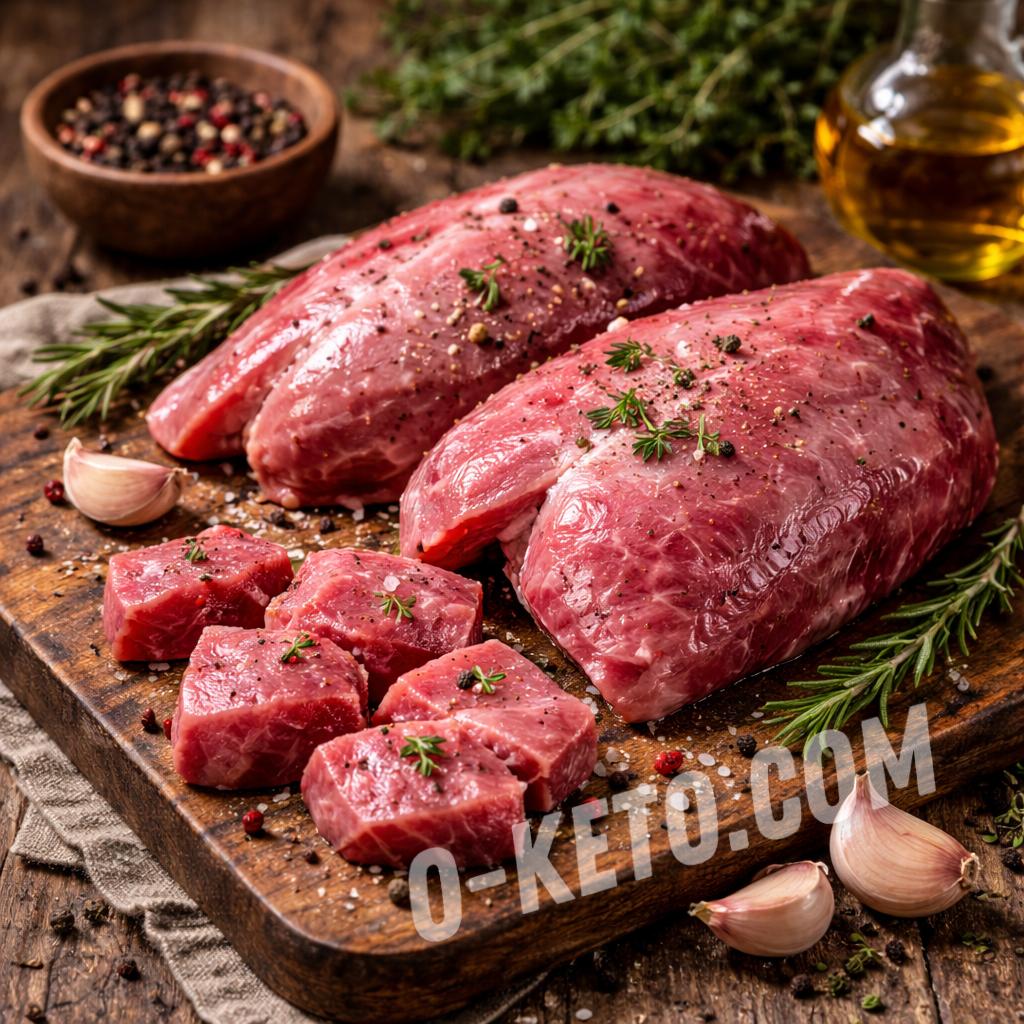

Beef lung is classified as an offal that is often underestimated in modern cuisine. This product has a soft texture, relatively low calorie content, and good nutritional value. In traditional cuisines of various countries, beef lung is used to prepare stews, soups, and braised dishes, as it absorbs the flavors of spices and sauces well.
This offal contains complete protein, B vitamins, and a number of important trace elements. Due to its low carbohydrate content, beef lung can be included in diets with carbohydrate restrictions, including low-carb and keto diets.
Nutritional Value
Beef lung contains a moderate amount of protein and relatively small amounts of fat. This makes it a light and nutritious product that is well-suited for diversifying a meat-based diet.
The average nutritional value per 100 g of the product:
- calories about 100–130 kcal;
- proteins 15–20 g;
- fats 3–6 g;
- carbohydrates 0 g.
The glycemic index of beef lung is zero, as the product contains no carbohydrates. This makes it neutral in terms of its effect on blood glucose levels.
Vitamins and Minerals
Beef lung contains a number of important nutrients necessary for normal metabolism and maintaining health:
- B vitamins, especially B12, which are involved in the functioning of the nervous system;
- iron, necessary for hemoglobin formation;
- zinc, which supports the immune system;
- selenium, which has antioxidant properties.
These substances play an important role in energy metabolism, immune function, and the functioning of the blood-forming system.
Beef Lung in a Low-Carb Diet
Due to the absence of carbohydrates, beef lung can be used in a carbohydrate-controlled diet. It provides the body with protein and trace elements without affecting blood sugar levels.
However, due to its low fat content, this product is often combined with richer sources of nutrition, such as:
- butter;
- rich sauces;
- fatty cuts of meat;
- eggs.
This combination helps to make the diet more balanced in terms of macronutrients.
Cooking Features
Before cooking, beef lung is usually rinsed and boiled to remove blood residues and improve the texture of the product. After preliminary boiling, it can be used in various dishes.
The most common cooking methods include:
- stewing with onions and spices;
- adding to soups and broths;
- preparing stews;
- frying after preliminary boiling.
When cooked properly, beef lung becomes tender and absorbs the flavors of spices and sauces well, making it suitable for a wide variety of dishes.


