


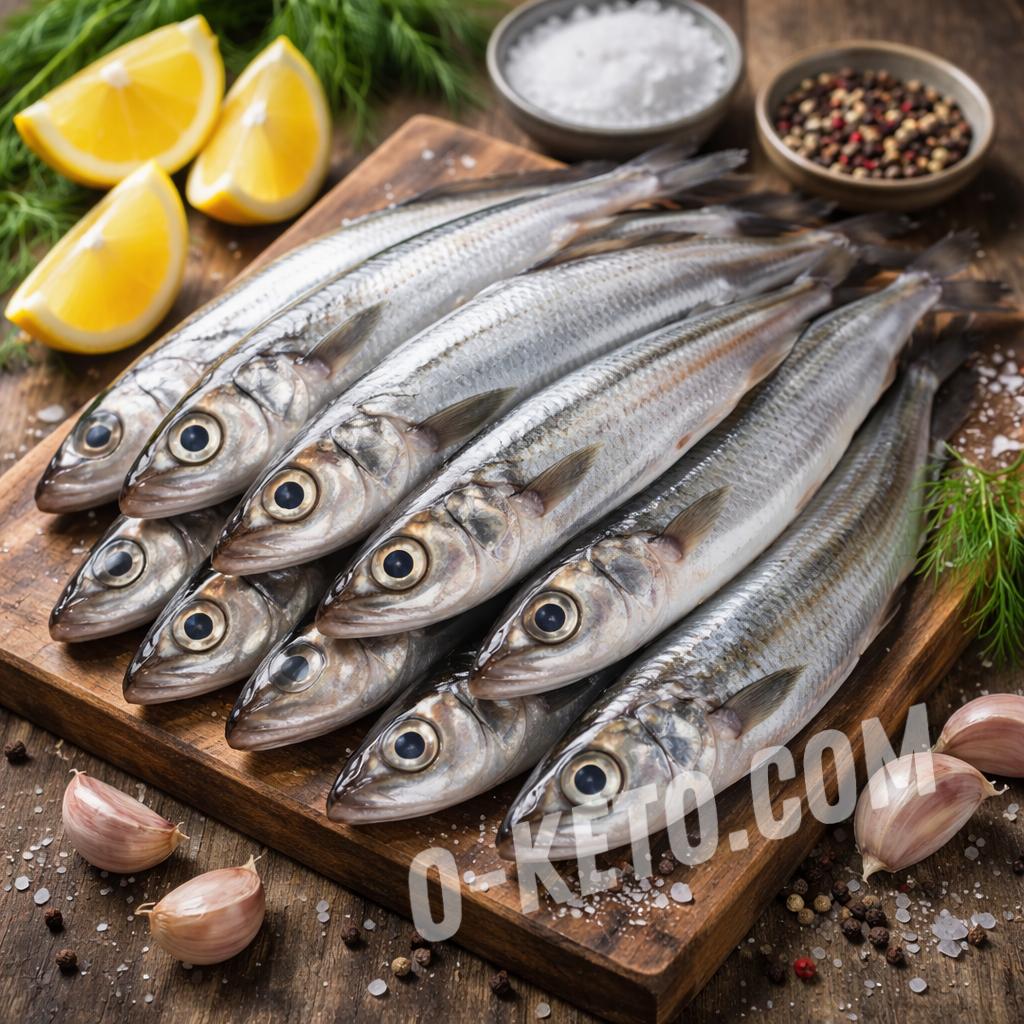

Pollock — a marine fish of the cod family, widely distributed in the northern part of the Atlantic Ocean. Most often, northern pollock is found for sale, which is valued for its availability, mild taste, and high protein content. This fish has tender light flesh and is well-suited for a daily diet.
Pollock is classified as a lean fish. Due to its low calorie content and lack of carbohydrates, it is often used in low-carbohydrate diets. The fish is suitable for baking, boiling, stewing, and making patties or fish soups.
Nutritional Value of Pollock
Pollock meat contains easily digestible protein and a moderate amount of fat.
The average nutritional value per 100 g of raw fish:
- calories: 70–90 kcal
- protein: 16–18 g
- fat: 1–2 g
- carbohydrates: 0 g
The absence of carbohydrates makes pollock suitable for low-carbohydrate and ketogenic diets.
Vitamins and Minerals
Pollock contains important vitamins and minerals necessary for the normal functioning of the body:
- vitamin B12 — involved in blood formation and the functioning of the nervous system;
- vitamin D — important for calcium metabolism and immunity;
- selenium — helps protect cells from oxidative stress;
- phosphorus — necessary for bone tissue and energy metabolism;
- iodine — supports thyroid function.
Like other marine fish, pollock contains beneficial fatty acids, although their amount is lower than that of fattier fish species.
Pollock on a Keto Diet
Pollock can be used in a ketogenic diet, as it contains no carbohydrates and is a good source of protein. However, this fish is quite lean, so it is usually combined with additional sources of fat for keto menus.
Pollock is most often cooked with:
This cooking method helps make the dish more filling and better suited to a ketogenic diet.
Cooking Methods for Pollock
Pollock is well-suited for simple home dishes. Due to its mild flavor, it easily pairs with various spices and vegetables:
- baking in the oven;
- steaming;
- boiling in soups;
- pan-frying;
- making fish patties.
Due to its low fat content, it is important not to overcook the fish during preparation.
What Pollock Pairs Well With:
Pollock pairs well with simple ingredients that enhance the flavor of the fish:
- lemon;
- dill;
- garlic;
- black pepper;
- butter.
As a side dish, vegetables, salads, or sautéed greens are usually used.
Conclusion
Pollock — an affordable and nutritious marine fish with a high protein content and minimal fat. Due to its lack of carbohydrates, it is suitable for low-carbohydrate and ketogenic diets. When properly prepared, pollock becomes a tasty and healthy component of a daily diet.


