


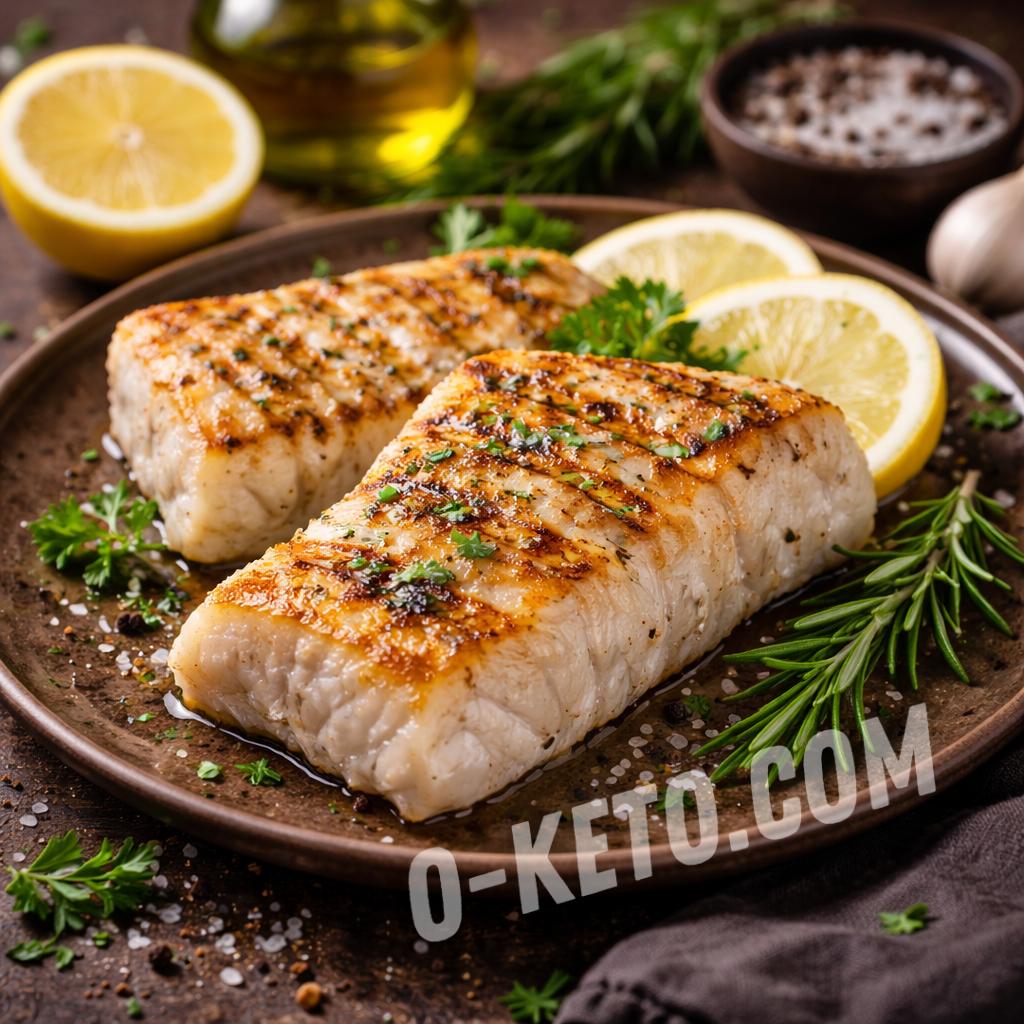

Cod is a marine fish from the cod family, found in the cold waters of northern seas. It is known for its dense, juicy meat and high protein content. Due to its low carbohydrate content and good set of trace elements, this fish is often considered a suitable product for low-carbohydrate and ketogenic diets.
Cod is characterized by its distinctive appearance: it has powerful jaws and large teeth adapted for crushing the shells of mollusks and crustaceans. In cooking, its fillet is valued primarily for being dense, fatty, and resistant to heat treatment. The fish withstands baking, frying, and grilling well, retaining its juiciness and rich flavor.
History and Features
Cod primarily inhabits the northern part of the Atlantic Ocean and the cold seas of the Arctic Ocean. They are found off the coasts of Norway, Iceland, Greenland, and in the northern Atlantic. The fish prefers deep areas of the sea with a rocky bottom, where it feeds on mollusks, sea urchins, and crustaceans.
Adult individuals can exceed 1.5–2 meters in length. Thanks to its powerful teeth, cod can easily crush the hard shells of marine organisms. It is precisely because of this feature that it got its name.
In fishing, cod is valued for its dense white meat. In northern European countries, it is traditionally used for preparing baked and stewed dishes, as well as for frying and grilling.
Nutritional Value
Cod fillet contains a large amount of easily digestible protein and relatively low fat. Due to the absence of carbohydrates, the fish is well-suited for diets with carbohydrate control.
The average nutritional value per 100 g of raw fillet:
The fish contains beneficial fatty acids and important trace elements.
The glycemic index of the fish is zero, as it contains no carbohydrates. This makes cod a neutral product in terms of its effect on blood sugar levels.
Use in Cooking
Cod fillet has a dense texture and holds its shape well during cooking. Because of this, the fish is suitable for various cooking methods:
- baking in the oven;
- frying in a pan;
- grilling;
- stewing in sauces;
- steaming.
When cooking, it is important not to overcook the fish, as its meat becomes softer with prolonged heat treatment.
Cod in a Low-Carbohydrate Diet
Due to the absence of carbohydrates, cod is well-suited for ketogenic and low-carbohydrate diets. The fish provides the body with protein and minerals without raising blood glucose levels.
The optimal portion of fillet is usually about 150–200 g per meal. For a more balanced dish, the fish is often combined with sources of fat and low-carbohydrate vegetables:
Using simple seasonings—salt, pepper, lemon juice, and aromatic herbs—helps to enhance the flavor of the fish without overloading the dish with unnecessary ingredients.


