


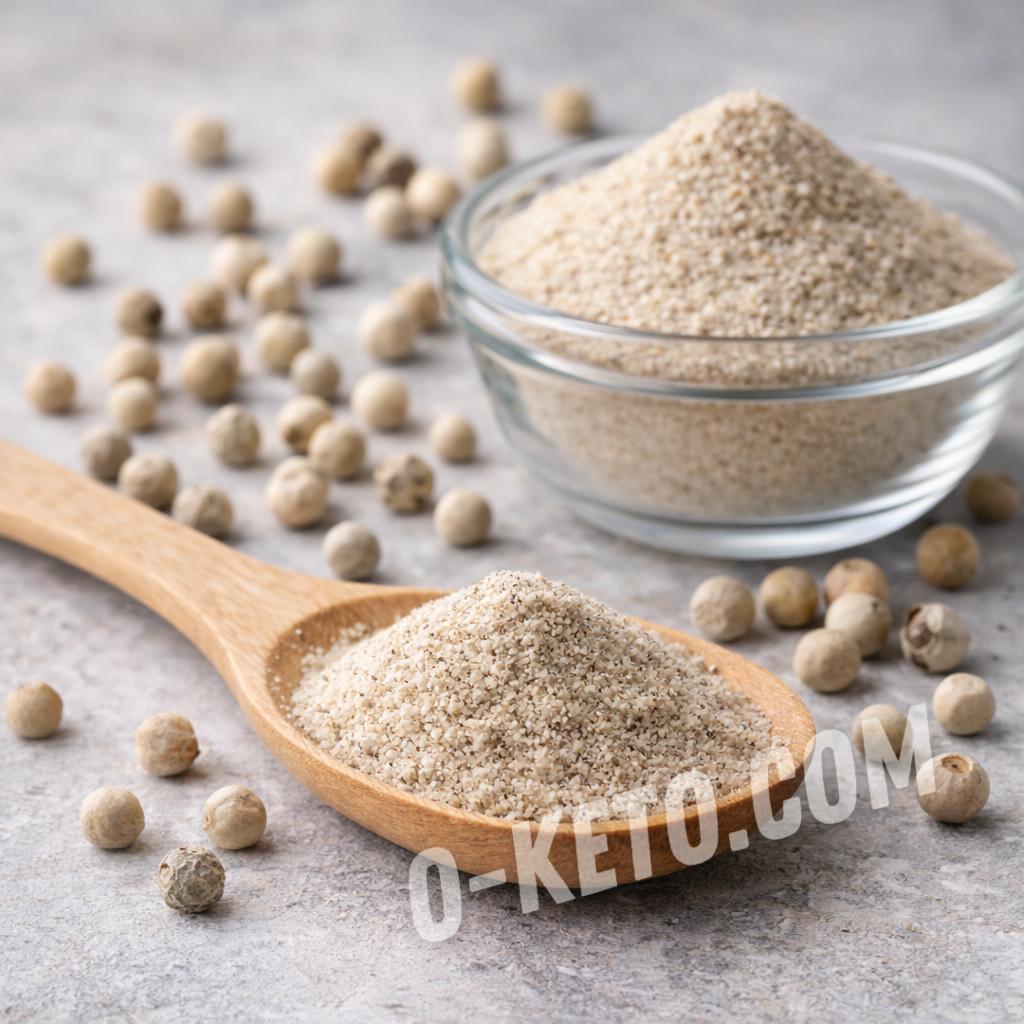

White pepper — is a spice obtained from fully ripe berries of the Piper nigrum plant. Unlike black pepper, its outer shell is removed, giving the seasoning a milder, cleaner, and less pungent taste. Because of this, white pepper is often used in dishes where it is important to maintain a light color and delicate aroma.
In addition to its culinary value, white pepper contains biologically active compounds, primarily piperine, which determines its spiciness and functional properties. In moderate amounts, it can complement the diet as an aromatic spice without significant carbohydrate load.
Composition and biologically active substances
The main components of white pepper:
- piperine — an alkaloid responsible for spiciness and stimulating effect;
- essential oils;
- polyphenols and antioxidants;
- B vitamins;
- minerals — manganese, iron, magnesium.
Piperine is studied in the context of improving the bioavailability of certain nutrients, including curcumin, by influencing the enzyme systems of the liver and intestines.
Potential benefits
Support for digestion. White pepper stimulates the production of gastric juice and may contribute to improved digestion. In traditional dietary systems, it was used to reduce bloating and heaviness after meals.
Antioxidant activity. The phenolic compounds in white pepper participate in neutralizing free radicals, which may help reduce oxidative stress.
Thermogenic effect. Spicy components can moderately stimulate metabolism by influencing thermogenesis.
Glycemic index and calorie content
The glycemic index of white pepper is extremely low and practically does not affect glucose levels during normal culinary use. Although there is a significant amount of carbohydrates in 100 g of spice, the actual serving size is a fraction of a gram, so the carbohydrate load is minimal.
Average values per 100 g:
In culinary dosages, the contribution to the overall diet in terms of macronutrients is insignificant.
White pepper in a keto diet
White pepper fits well into a keto diet due to its minimal carbohydrate load and ability to enhance the flavor of dishes without adding sugar or starches.
Usage recommendations:
- adding to cream soups to maintain a light color;
- using in sauces and marinades;
- seasoning fish, poultry, and seafood;
- combining with turmeric and ginger to enhance flavor.
The optimal dose is — 1/4–1/2 teaspoon per dish, depending on tolerance to spiciness.
White pepper — is not only a spice for fine aromatic correction of dishes but also a functional component of the diet. When used moderately, it complements a keto diet by enhancing the flavor profile without increasing carbohydrates.


