


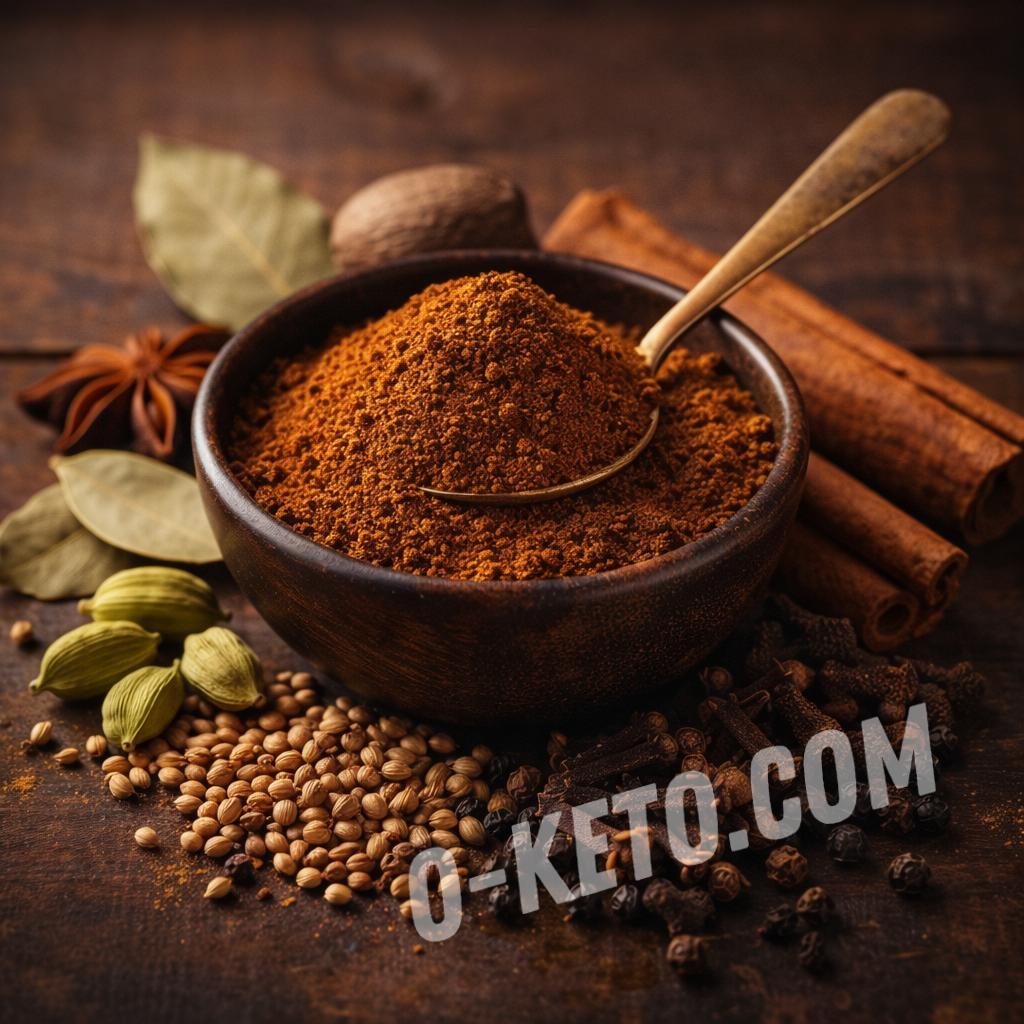

Garam masala is a traditional Indian spice blend with a rich aroma and complex flavor. It is used to add depth, warmth, and spiciness to dishes.
Unlike many ready-made seasonings, garam masala does not have a strictly fixed composition: the recipe can vary depending on the region, family traditions, and culinary preferences.
The name “garam masala” translates from Hindi as “warm spice mix.” The “warmth” refers not to spiciness, but to the warming effect of the spices on the body according to traditional Indian dietary systems. The blend is used in small quantities, but even a pinch can significantly alter the aroma of a dish.
History and Origin
Spice blends similar to garam masala have been used in India for thousands of years. In ancient Ayurvedic texts, spices were described not only as flavor enhancers but also as substances that support digestion and overall health.
The composition of the blend has historically been formed based on the spices available in the region. Trade in spices between India, the Middle East, and Europe gradually expanded the range of ingredients, so recipes for garam masala can vary significantly across different regions.
In northern India, the blend is usually more aromatic and mild, while in southern regions it can be richer and spicier. In traditional cooking, garam masala is often added at the end of cooking to preserve the aroma of the essential oils in the spices.
Composition and Nutritional Value
Garam masala is a mixture of ground spices. The specific composition can vary, but the following spices are most commonly used:
Each of these spices contains essential oils, antioxidants, and phytochemical compounds that contribute to the characteristic aroma of the blend.
The average nutritional value of the spice blend per 100 g is approximately as follows:
| calories | 300–380 kcal |
| proteins | 10–12 g |
| fats | 12–15 g |
| carbohydrates | 40–50 g |
However, in cooking, garam masala is used in very small amounts. One teaspoon usually contains only a few calories and minimal amounts of macronutrients.
The spices in the blend are also a source of various micronutrients:
Culinary Uses
Garam masala is widely used in Indian and Middle Eastern cuisine. It is used to flavor meat, vegetable, and legume dishes, as well as sauces and soups. Due to its complex spicy profile, the blend pairs well with fatty foods, as fats help to release the aroma of the essential oils.
Garam masala is most commonly used in the following dishes:
- curries;
- biryani;
- stews;
- chicken and lamb;
- vegetable ragouts;
- legume dishes.
Ways to Add. There are several common methods for using this blend in cooking:
- adding it to hot oil at the beginning of cooking to release the aroma;
- using it in marinades for meat and poultry;
- adding it to sauces and stews;
- sprinkling a small amount of the blend over the finished dish before serving.
Garam Masala in the Diet
Like most spices, garam masala has little impact on the caloric content of the diet, as it is used in small amounts. It contains no sugar and has a minimal glycemic load, making it suitable for various types of diets, including low-carb and ketogenic diets.
The main value of this blend lies in its ability to enhance the flavor of dishes without the need for added sugar or large amounts of salt. Because of this, garam masala is often used to increase the flavor richness of food while maintaining a balanced diet.


