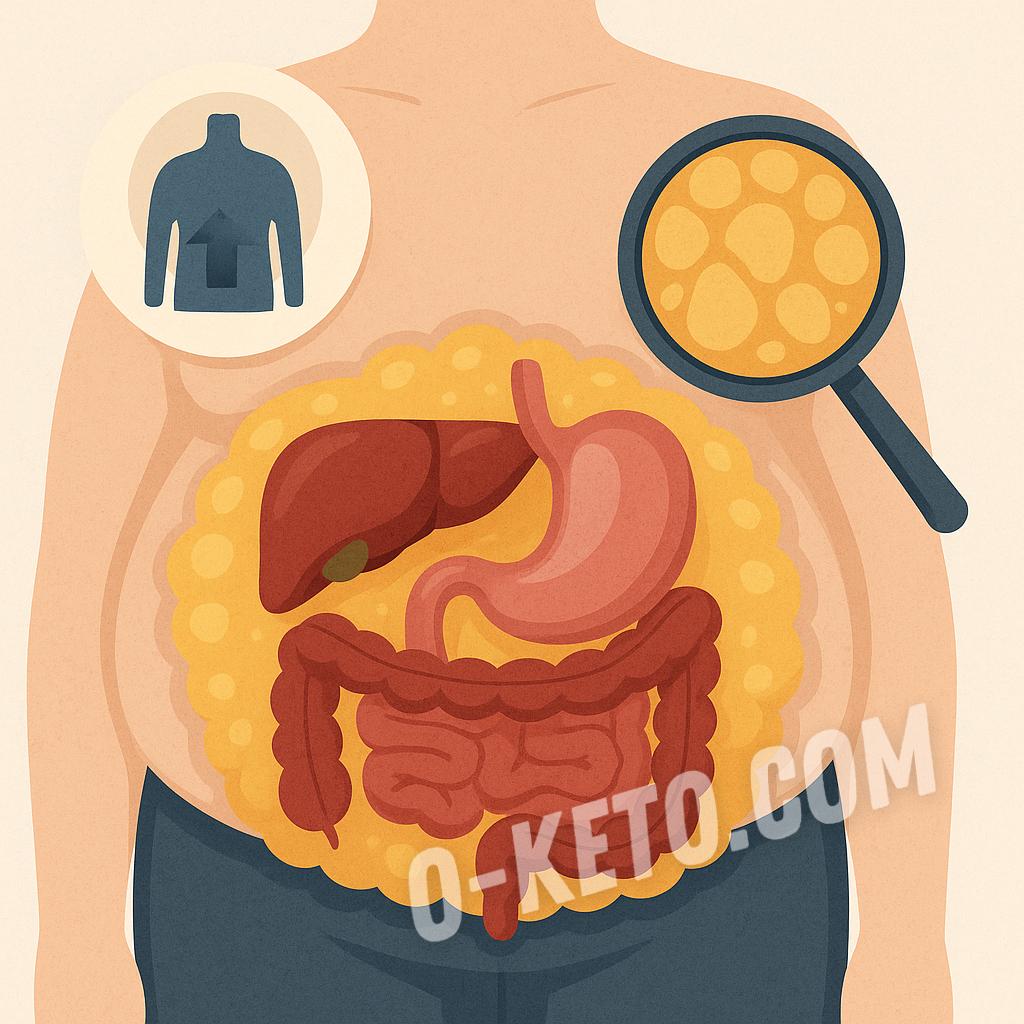
Visceral obesity
Visceral obesity is the accumulation of fat not under the skin, but around the internal organs of the abdominal cavity: the liver, pancreas, and intestines. This fat actively interferes with metabolism, alters hormonal balance, increases inflammation levels, and significantly raises the risk of cardiovascular and metabolic diseases.
Causes and Risk Factors
The formation of visceral fat is almost never related solely to overeating. It is usually a combination of several factors:
- excessive consumption of simple carbohydrates, sugary drinks, and trans fats;
- sedentary lifestyle and infrequent strength training;
- chronic stress with elevated cortisol levels;
- lack of sleep and irregular daily routine;
- genetic predisposition to abdominal obesity;
- hormonal changes in women during the premenopausal and menopausal periods;
- insulin resistance and frequent snacking that maintains high insulin levels.
The Dangers of Visceral Obesity
Visceral fat is a metabolically active tissue. It releases inflammatory molecules and hormones that affect the entire body:
- increases the risk of cardiovascular diseases (ischemic heart disease, heart attack, stroke);
- contributes to the development of type 2 diabetes and insulin resistance;
- provokes hypertension and lipid profile disorders;
- participates in the formation of metabolic syndrome;
- increases the risk of non-alcoholic fatty liver disease;
- is associated with a higher likelihood of certain types of cancer and reduced quality of life.
Diagnostic Methods
Visceral obesity can be suspected based on appearance and waist circumference, but additional methods are used for accurate assessment.
- measuring waist circumference (in men, risk is usually elevated at values over 94 cm, in women – over 80 cm);
- calculating body mass index in combination with assessing fat distribution;
- ultrasound examination of the liver and abdominal organs;
- computed or magnetic resonance tomography for quantitative assessment of visceral fat;
- blood tests: fasting glucose, insulin, HOMA-IR, lipid profile, inflammation markers.
Nutrition for Visceral Obesity
Diet correction is a key step in reducing visceral fat and normalizing metabolism.
- reducing the intake of sugar, sugary drinks, baked goods, and other simple carbohydrates;
- increasing the proportion of protein (meat, fish, eggs, fermented dairy products) to maintain muscle mass;
- choosing healthy fats: olive oil, avocado, nuts, fatty fish;
- ensuring adequate intake of vegetables and sources of fiber to control appetite and glucose levels;
- limiting alcohol, especially sweet cocktails and beer;
- establishing a structured eating regimen without constant snacking, and if necessary – using a low-carb or keto approach under professional supervision.
Physical Activity and Lifestyle
Movement helps reduce visceral fat even with moderate weight loss.
- regular aerobic exercise for at least 150-300 minutes per week at moderate intensity;
- strength training 2-3 times a week to maintain and build muscle mass;
- increasing overall activity throughout the day: walking, taking stairs instead of elevators, breaks from sitting work;
- normalizing sleep to reduce cortisol levels and evening overeating;
- managing stress: breathing practices, walks, hobbies, psychotherapeutic support;
- regular monitoring of blood pressure, blood sugar, and lipid levels.
Conclusion
Visceral obesity is not only an aesthetic issue but primarily a metabolic problem directly linked to the risk of serious diseases.
A combination of proper nutrition, adequate physical activity, stress management, and quality sleep allows for the gradual reduction of visceral fat, improvement of health indicators, and decreased likelihood of cardiovascular and endocrine complications.
In the presence of comorbidities, it is important to work together with a specialist and regularly monitor progress.
If you have any questions о термине "Visceral obesity", you can ask them to our bot.
List of videos from YouTube by request "Visceral obesity":