


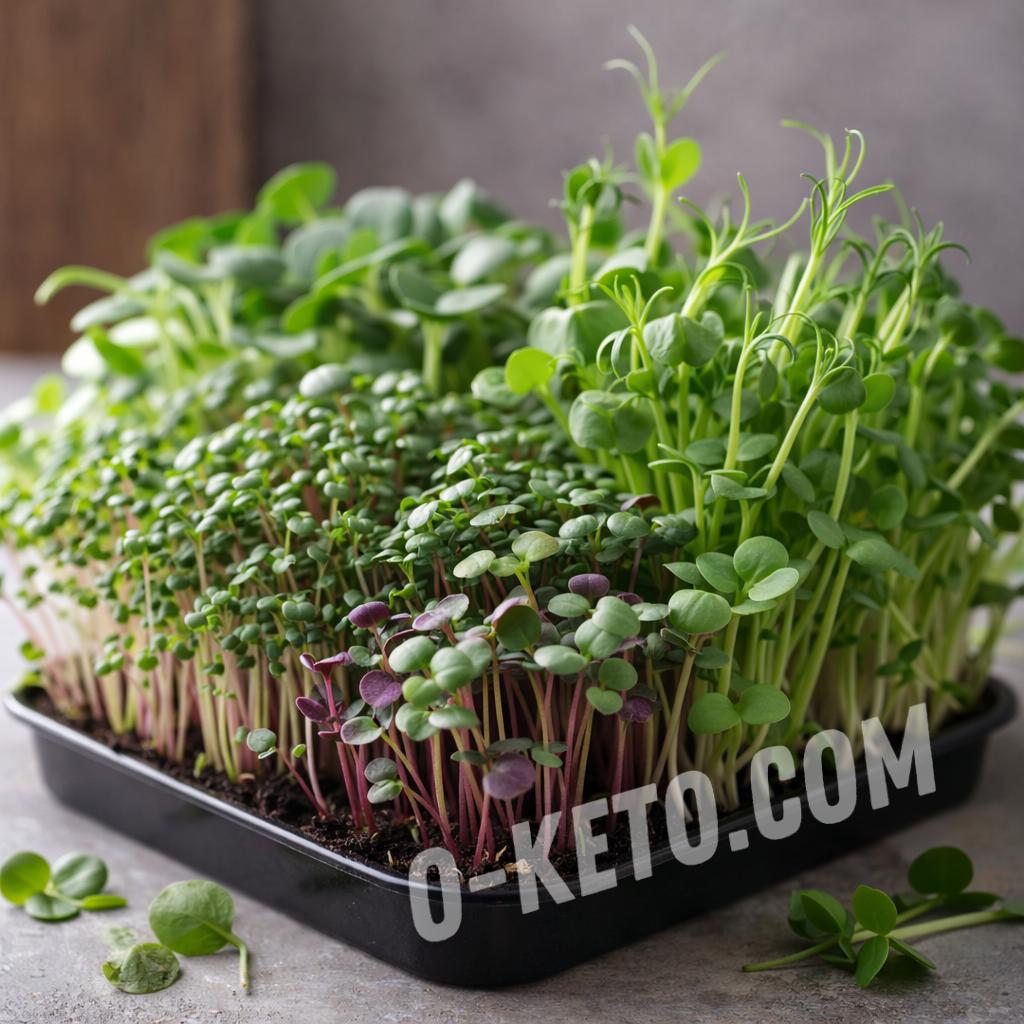

Microgreens are young plant shoots harvested at an early stage of development when the concentration of biologically active substances in them is particularly high. Despite their small size, microgreens are characterized by a rich flavor, high nutritional value, and versatility in use. They are used not only as a decorative element in dishes but also as a full-fledged functional food product.
The interest in microgreens is linked to the growing popularity of mindful eating, low-carbohydrate, and anti-inflammatory diets. Due to their ease of cultivation, microgreens are accessible even in home conditions and can become a regular part of the diet without significant costs.
Microgreens: What They Are and How They Are Grown
Microgreens refer to young plants of vegetables, herbs, and grains that are harvested 7–21 days after germination. During this period, the first true leaves form, and the supply of nutrients reaches peak levels.
The most common types of microgreens include broccoli, radish, pea, sunflower, mustard, basil, cilantro, and spinach.
Growing microgreens does not require complex equipment and can be organized at home:
- choosing seeds intended for sprouting;
- preparing a shallow container with drainage;
- using soil or coconut substrate;
- evenly sowing seeds on the surface;
- regularly moistening without overwatering;
- providing diffused light and a temperature of 18–24 °C.
The harvest is collected when the plants reach a height of 5–10 cm. After cutting, microgreens are ready to be consumed without additional processing.
Nutritional Value and Composition
Microgreens are characterized by a high nutrient density. According to research, the content of vitamins and antioxidants in microgreens can exceed that of mature plants by several times.
The main groups of nutrients include:
- vitamins A, C, E, and K;
- B vitamins;
- minerals including potassium, magnesium, iron, and calcium;
- polyphenols and other antioxidants;
- plant fiber.
Cruciferous types of microgreens, such as broccoli and radish, are particularly valuable due to their content of sulforaphane and isothiocyanates, which are involved in detoxification processes and inflammation regulation.
Glycemic Load and Metabolic Effects
Microgreens have an extremely low glycemic index and minimal content of digestible carbohydrates. They do not cause significant fluctuations in blood glucose and insulin levels, making them suitable for people with insulin resistance, diabetes, and metabolic syndrome.
Due to their high content of phytonutrients, microgreens help reduce oxidative stress and support gut microbiota.
Microgreens in the Keto Diet
Within the framework of the keto diet, microgreens are used as a source of micronutrients and bioactive compounds with minimal carbohydrate load. They complement the diet with vitamins and minerals without the risk of exiting ketosis.
Benefits for keto nutrition include:
- low carbohydrate content;
- high concentration of antioxidants;
- support for detoxification pathways;
- improved digestion due to fiber;
- visual and taste diversity in dishes.
The optimal portion of microgreens is 30–50 g per day. They can be added to salads, used as a side dish for meat and fish, included in omelets, and cold snacks. For maximum benefit, it is recommended to alternate different types of microgreens.
Microgreens are a functional product with high biological value. They fit organically into the keto diet and other dietary protocols focused on metabolic health, anti-inflammatory effects, and nutrient density of the diet.


