


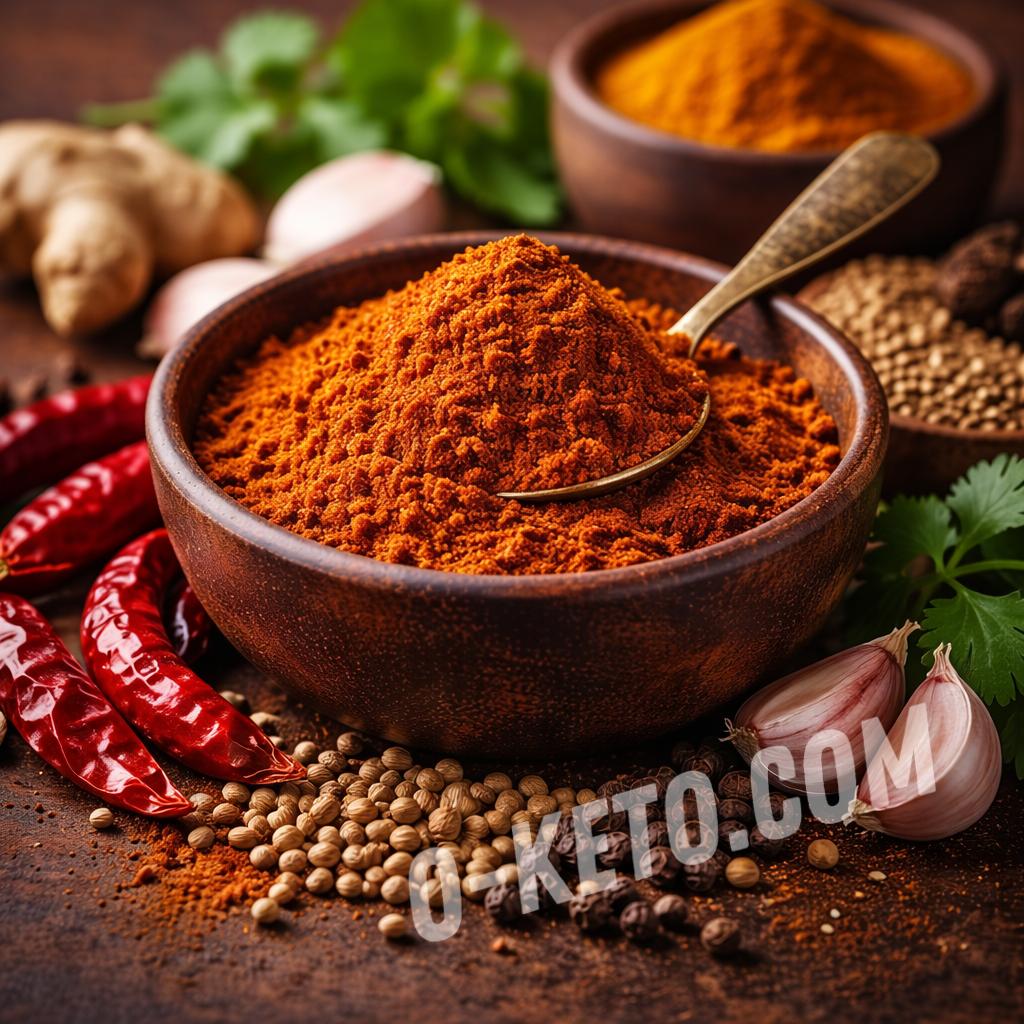

Tandoori masala is a traditional Indian spice blend used for cooking dishes in a tandoor—a clay oven heated to very high temperatures. The name comes from the word “tandoor,” which refers to the method of cooking food over intense heat. This blend gives dishes a distinctive aroma, vibrant color, and rich spicy flavor.
Tandoori masala is primarily used for marinating meat, fish, and vegetables before roasting or grilling. The spices are mixed with yogurt, lemon juice, and sometimes a small amount of oil. This marinade helps the spices penetrate the food, making it aromatic and more tender after cooking.
History and Origin
The tradition of cooking in a tandoor has ancient roots and is widely practiced in northern India and the Punjab region. Clay ovens were used for baking bread and cooking meat over intense heat. Over time, aromatic spice blends were developed for marinating foods, leading to the creation of tandoori masala.
The composition of the blend varied by region, but it always consisted of spices that withstand high temperatures and enhance the aroma of meat.
Thanks to the spread of Indian cuisine worldwide, tandoori dishes have become popular far beyond India. Today, tandoori masala is used not only in traditional recipes but also in modern cuisine. It is used for preparing chicken, fish, vegetables, and various sauces.
Composition and Nutritional Value
Tandoori masala is a blend of ground spices. The composition may vary slightly, but it typically includes the following ingredients:
These spices contain essential oils, antioxidants, and various phytonutrients that contribute to the distinctive aroma of the blend.
The average nutritional value of the spice blend per 100 g is approximately:
| calories | 320–380 kcal |
| proteins | 10–12 g |
| fats | 10–14 g |
| carbohydrates | 45–60 g |
However, in cooking, this blend is used in very small amounts, so its contribution to the dish’s calorie content is usually minimal.
The spices in tandoori masala are also a source of various micronutrients:
Culinary Uses
The primary use of tandoori masala is in marinades. Most often, the blend is combined with yogurt, which helps evenly distribute the spices and soften the texture of the meat.
A traditional marinade may include the following components:
- yogurt;
- tandoori masala;
- lemon juice;
- garlic;
- ginger;
- salt.
Main ways to use:
- marinating chicken before roasting or grilling;
- preparing fish and seafood;
- marinating vegetables before roasting;
- adding to sauces and stews.
Marinating usually takes from a few hours to overnight. During this time, the spices penetrate the food and create the dish’s characteristic aroma.
Tandoori Masala in the Diet
Like most spices, tandoori masala has little effect on the overall calorie content of the diet since it is used in small amounts. The blend contains no sugar and has a low glycemic load, making it suitable for various diets, including low-carb and ketogenic diets.
The main advantage of this blend is its ability to enhance the flavor of food without the need to add large amounts of salt or sugar. This makes dishes more aromatic and flavorful even with a simple ingredient list.


