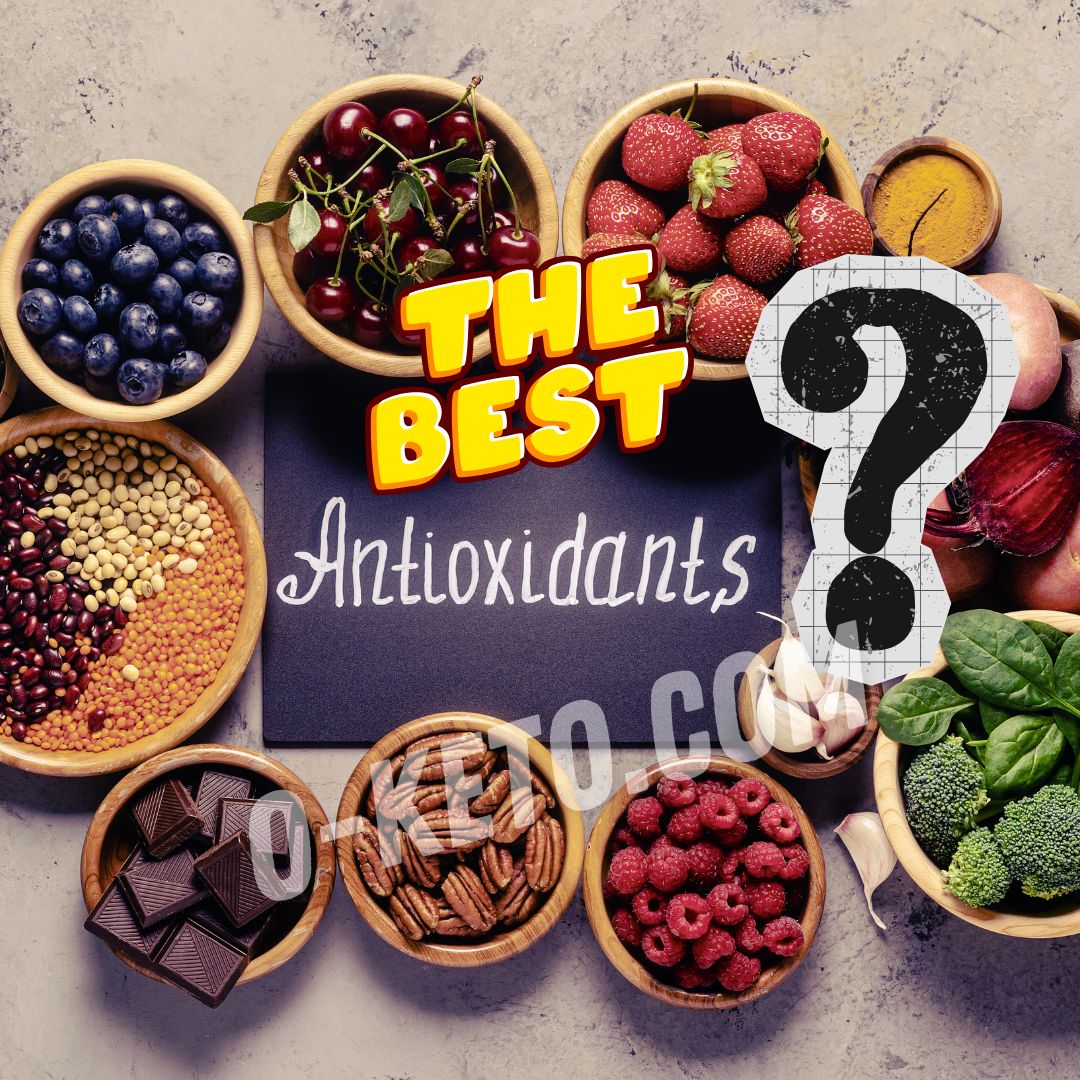

Antioxidants play an important role in maintaining our health by protecting cells from damage caused by free radicals.
Free radicals are formed in our bodies for various reasons:
- as a result of metabolism;
- due to environmental pollution;
- under the influence of ultraviolet radiation;
- due to poor nutrition.
With age, the level of free radicals increases, which can lead to oxidative stress and various diseases, including:
- cardiovascular diseases;
- diabetes;
- certain types of cancer.
Antioxidants found in food can neutralize free radicals, thereby reducing the risk of developing these diseases.
ORAC Antioxidant Index (Oxygen Radical Absorbance Capacity)
There are many types of antioxidants. For example:
- vitamins C and E, beta-carotene;
- minerals such as selenium and zinc;
- plant polyphenols, anthocyanins, and flavonoids.
The ORAC antioxidant index allows us to assess the level of antioxidant activity of various products, regardless of the specific types of antioxidants they contain.
Thanks to this, we can choose the most beneficial products for our daily diet.
Each product is assigned a specific positive whole number that characterizes the amount of antioxidants in 100 grams of the product. The higher this number, the more antioxidants are in the product.
It is believed that to maintain the antioxidant protection of the body, it is necessary to consume at least 5000 ORAC units per day. This value suggests that the total amount of ORAC for all consumed products throughout the day should reach or exceed this threshold.
TOP products with the highest antioxidant index
The higher the ORAC index of a product, the less of that product you need to eat to reach the minimum of 5000 units per day.
The highest ORAC index, exceeding 100,000, is found in the following products:


All these products are spices or dietary supplements. Nevertheless, you can easily obtain 5000 ORAC units from them. To do this, it is enough to consume one of these products in the following amounts:
- 0.5 tsp. sumac;
- 3/4 tsp. cinnamon (specifically cinnamon, not cassia);
- 2 g of cloves, which is equivalent to 10-20 sticks;
- about 2 tsp. of turmeric or moringa;
- 4 tsp. of thyme;
- 1.5 tsp. of acai powder.
Thus, the easiest way to obtain 5000 ORAC is from spices such as sumac and cinnamon. However, it is also not difficult to obtain them from turmeric, moringa, and acai powder.
Even better is to combine these spices. After all, each of them has unique antioxidant and anti-inflammatory properties that are important on a keto diet.
Products with a high antioxidant index
The other spices, as well as some other products, have an index in the range from 40,000 to 100,000. This is also a very high level. Such products include:


Among these products, it is easiest to obtain 5000 ORAC from:
- 6 grams of rose hips (15 berries);
- 4 tsp. of cocoa powder.
As for the spices themselves, you would have to consume at least 4 teaspoons. This is quite problematic for these spices.
TOP products with an antioxidant index of less than 40,000
Common products that are not spices have a much lower ORAC level.
Spices. Although there are also spices whose antioxidant index does not exceed 40,000. Let’s first look at the TOP-10 such spices:


To obtain 5,000 ORAC from these spices, you would have to consume at least 10 tsp. of the spice. This is already comparable to an unachievable mission.
Nuts and seeds. Many nuts and seeds also have a relatively high antioxidant index. Let’s look at the TOP-10 separately for nuts, seeds, and their derivatives:


From them, you can obtain 5,000 ORAC by eating:
- 30 grams of pecans;
- 40 grams of walnuts;
- 50 grams of hazelnuts, poppy seeds, or chia seeds;
- 30 grams of flaxseeds (a third of a loaf of flaxseed bread).
Berries. It would also be interesting to take a look at the TOP-10 among berries. Which of them contain the most antioxidants:


5,000 ORAC can be obtained by eating:
- 25 g of sea buckthorn;
- 35 g of black chokeberry or acai berries;
- 55-60 g of cranberry, cornel, lingonberry, or black currant;
- 100 g of blueberries or blackberries.
Which everyday foods are worth adding to the list

An ORAC ranking should not be limited to rare powders and individual spices. Everyday foods can provide vitamin C, fiber, sulfur-containing compounds, and polyphenols while remaining food rather than concentrated extracts. Add them for taste and tolerance; an ORAC number alone cannot determine the value of the whole diet.
| Foods | What is of interest | How to use them and what not to promise |
|---|---|---|
| Rose hips and tart berries | Vitamin C, polyphenols, and other plant compounds; composition varies with species, ripeness, and processing. | Use fresh or frozen berries in modest portions, and rose hips in drinks. This does not make berries a treatment for infections or aging. |
| Garlic and onions | Sulfur-containing compounds and polyphenols whose profile changes after chopping and heating. | Use them as seasonings in ordinary meals. A culinary portion is not equivalent to an extract dose and does not replace antibiotics or disease treatment. |
| Thyme, oregano, sage, lemon balm, and parsley | Polyphenols, essential oils, and other compounds found in aromatic plants. | Fresh or dried herbs add variety and flavor. An essential oil or concentrated extract is a different product with different doses and risks. |
| Apples and other whole fruits | Fiber, pectin, and polyphenols delivered together with water and the food structure. | A whole fruit is usually more practical than juice or powder. Pectin does not “remove toxins” or turn an apple into a medicine. |
| Chaga and burdock root | Powders and infusions contain different plant compounds, and their composition depends on the raw material and preparation. | Do not place them in the same evidence category as berries. Claims about treating cancer, normalizing hormones, or removing heavy metals do not follow from the product name; extra caution is needed with medicines and chronic conditions. |
This list broadens the choices but does not create a universal new “top.” ORAC values vary with cultivar, growing conditions, storage, preparation, and laboratory method. Treat the numbers as a comparison aid for samples rather than transferring them directly to the exact benefit of a serving: the result also depends on the whole diet, serving size, and processing.
Other products. As for other products not belonging to the previously mentioned categories, the TOP-10 among them looks like this:


For example, to obtain 5000 ORAC from these products, you need to eat:
- 25 grams of chocolate;
- 40-50 grams of mint, dandelion leaves, artichoke, or capers.