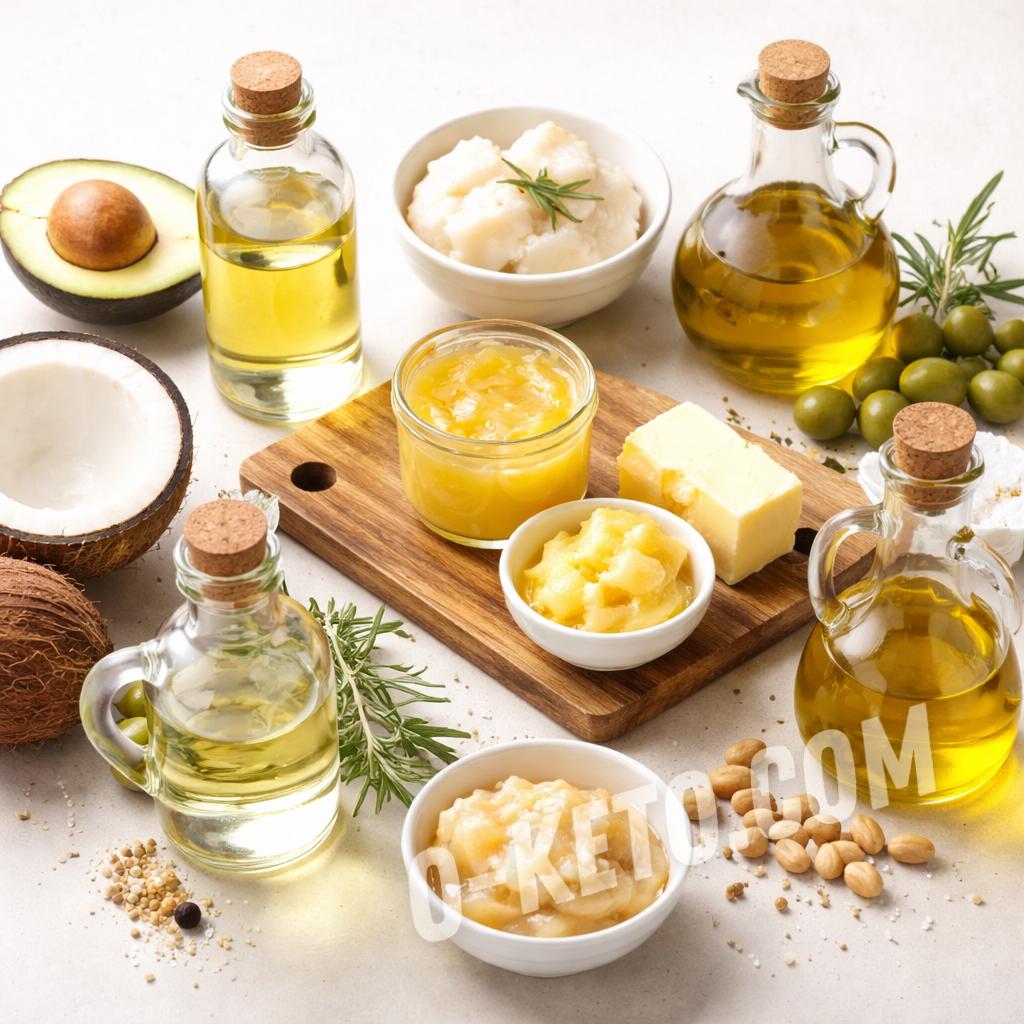
The smoke point indicates at what temperature fat or oil begins to noticeably smoke. This is a practical guideline for choosing fats for different cooking methods: the higher the heating temperature, the more important it is to use more stable options.
However, a high smoke point does not always mean better biochemical stability, so for everyday cooking, it is important to consider both the origin of the fat and its degree of refinement.
What smoke point means
When oil or fat reaches its smoke point, sensitive compounds begin to break down more actively, altering the taste and smell, and the product becomes less suitable for further heating.
For frying and baking, fats with a higher smoke point are usually chosen, while for salads and ready dishes, less stable oils can be used without strong heating.
For high heat, refined avocado oil and ghee are the best options.
For moderate frying, beef, pork, duck, and chicken fat can be used.
Butter and unrefined oils are better suited for gentler heating or adding to already prepared dishes.
If both culinary and metabolic stability are important, more stable fats with a lower tendency to oxidize when heated are usually preferred in everyday diets. Therefore, for hot dishes, ghee, beef fat, lard, and coconut oil are often chosen, while delicate unrefined oils are reserved for cold applications.
Any remaining questions? Ask chatGPT.:
If you have any questions по теме статьи "Smoke point temperature of various types of oils and fats.", you can ask them to AI. Please note, a low-cost OpenAI model is used. It may answer questions about disease treatment with errors!
Ask a question
List of videos from YouTube with product review "Smoke point temperature of various types of oils and fats.":
If you have any opinions or additions on this topic, you can leave a comment about the article. "Smoke point temperature of various types of oils and fats.":
Soaking and sprouting seeds, nuts, legumes, and grains are traditional methods of preparing plant products before consumption. These methods have been used in various cultures for thousands of years and help improve nutrient absorption, reduce the amount of antinutrients, and activate enzymatic processes in seeds.
When in contact with water, processes similar to the beginning of plant germination are triggered, altering the chemical composition of the product and making it more digestible.
Why soak and sprout foods
Most plant seeds contain protective substances—phytic acid, enzyme inhibitors, and other compounds. They help the seed survive in nature until germination but can simultaneously impair the absorption of minerals and proteins by humans.
Soaking and sprouting initiate enzymatic processes that partially break down these compounds:
the amount of substances irritating the digestive system is reduced;
the bioavailability of certain vitamins is increased.
During the sprouting process, some starch begins to break down into simpler sugars, and complex proteins become easier to digest.
How soaking works
Soaking is the first stage in preparing most seeds and legumes. The product is placed in water for a certain period to absorb moisture and initiate biochemical processes. Water softens the seed coat and activates enzymes.
The soaking time depends on the type of product. Different products require varying durations of contact with water:
After soaking, the water is usually drained, and the product is rinsed. For legumes and grains, this also helps remove dissolved substances and reduce potential irritation to the digestive system.
Sprouting foods
Sprouting is the next stage after soaking, during which seeds begin to form a sprout. During this period, intense metabolic processes occur in the seed: enzymes are activated, the content of certain vitamins increases, and the structure of nutrients changes.
Not all products can sprout. For example, most nuts lose their ability to fully sprout after harvesting, so they are usually just soaked. An exception is almonds, which can produce sprouts.
Some products lose their ability to sprout after processing or storage:
walnuts;
Brazil nuts;
cashews;
hazelnuts;
macadamia;
pecan;
pistachios;
pine nuts.
In such cases, only soaking is used.
How sprouting is done
During the sprouting stage, seeds, legumes, or grains are no longer kept in water constantly. They are left in a moist environment with access to air. For this, the product can be placed in a glass jar, sieve, colander, or container where excess water will not stagnate.
The sprouting process looks like this:
after soaking, completely drain the water;
thoroughly rinse the product with clean water;
transfer it to a jar, sieve, or other container with air access;
cover with cheesecloth or a lid with holes;
leave at room temperature away from direct sunlight;
rinse the product 1–2 times a day;
after each rinse, completely drain the water.
During sprouting, the product should remain moist but not submerged in water. This is important because growth requires not only contact with moisture but also access to oxygen.
If seeds or legumes are left in water too long, they may start to sour, ferment, and spoil.
When is sprouting considered complete. Sprouting continues until a small sprout appears. For some products, it appears within 1–2 days, while for others, it takes 3–5 days (see table). Usually, it is sufficient to wait for a small white sprout, after which the product can be consumed or stored in the refrigerator for short-term storage.
Practical conditions:
use clean drinking water;
do not leave the product in a puddle of water;
rinse regularly to avoid souring;
do not keep sprouts in direct sunlight;
store finished sprouts in the refrigerator for a short time.
Practical recommendations
use clean drinking water for soaking;
always rinse the product after soaking;
when sprouting, rinse seeds 1–2 times a day;
keep sprouts at room temperature away from direct sunlight;
store finished sprouts in the refrigerator for no more than a few days.
Soaking and sprouting are simple ways to enhance the nutritional value of plant products. These methods help reduce the amount of antinutrients, activate enzymatic processes, and make food easier to digest.
Any remaining questions? Ask chatGPT.:
If you have any questions по теме статьи "How to soak and sprout seeds, nuts, legumes, and grains", you can ask them to AI. Please note, a low-cost OpenAI model is used. It may answer questions about disease treatment with errors!
Ask a question
List of videos from YouTube with product review "How to soak and sprout seeds, nuts, legumes, and grains":
If you have any opinions or additions on this topic, you can leave a comment about the article. "How to soak and sprout seeds, nuts, legumes, and grains":
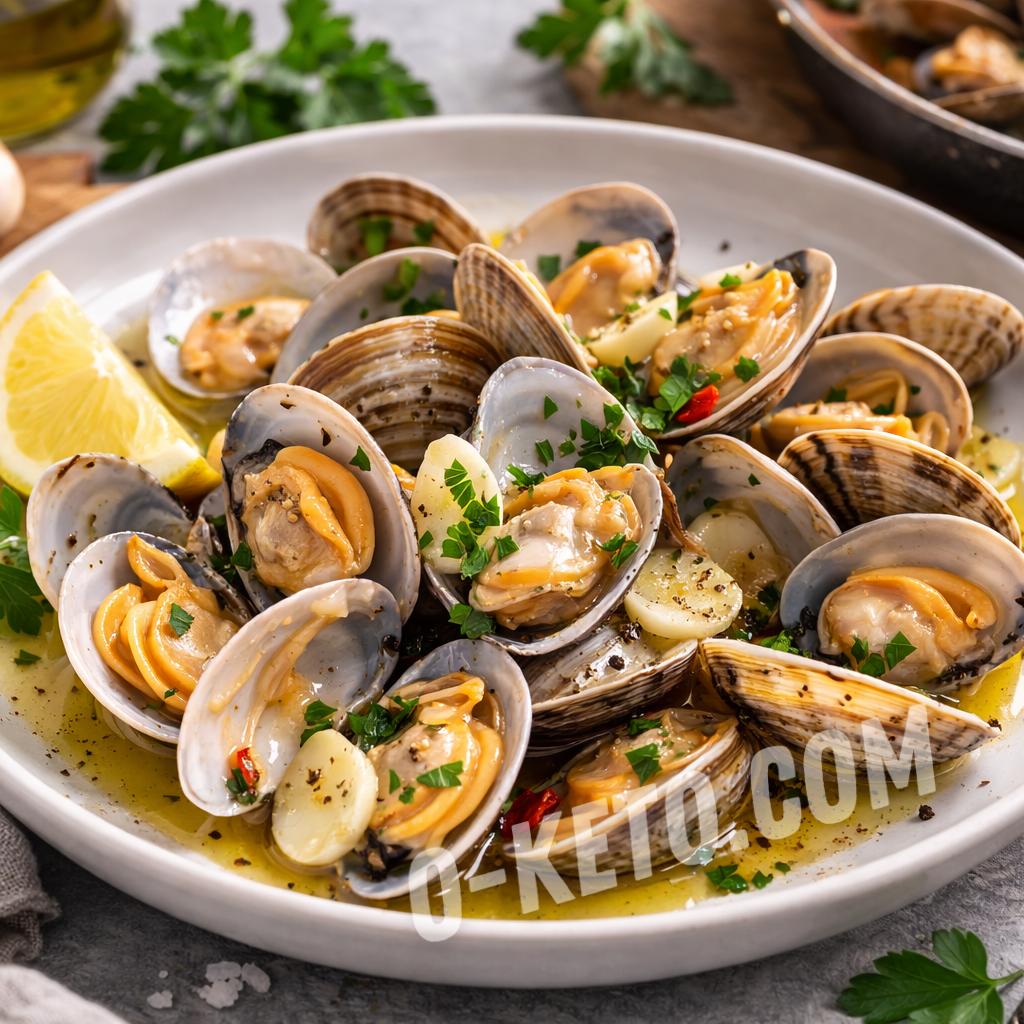
Vongole are small bivalve mollusks with wavy shells, known by their Italian name. They inhabit sandy bottoms and can burrow into the sand, so they require thorough cleaning before cooking.
In terms of taste, vongole are more expressive and “oceanic” than mussels, and they are valued for their tender yet firm texture.
Due to their habitat and the difficulty of harvesting them, they usually cost more than mussels. However, their flavor is more concentrated, so recipes often use a minimalist set of ingredients to preserve their natural aroma.
Choosing and Preparing Live Vongole
How to choose live vongole:
the shells are tightly closed or close when tapped;
the shell is intact, without cracks;
the smell is fresh and marine;
there are no dried out or light specimens.
How to properly clean. Since the mollusks live in sand, they should be placed in cool salted water for 1–2 hours to expel the sand from inside their shells.
Unlike mussels, the byssus does not need to be removed.
How to cook live vongole. They are cooked until the shells open, but not longer. It is important to use the juice that is released inside — it forms the base of the sauce.
The best cooking methods:
steaming;
frying;
stewing.
Vongole are especially good with pasta, but in a keto approach, they are served on their own — in a creamy or buttery sauce with herbs.
Overcooking makes the texture tough.
Cooking Frozen Vongole
This is already a cooked semi-finished product, similar to mussels. They do not require prolonged heat treatment — just heat them to the desired temperature:
do not salt at the beginning — the mollusks’ juice is already salty;
do not keep on the heat after the shells open;
serve immediately after cooking;
remove any shells that did not open.
Vongole are a product of precision. Short heat treatment, the use of their own juice, and minimalism in spices allow them to retain their natural sweetness and rich marine aroma.
Any remaining questions? Ask chatGPT.:
If you have any questions по теме статьи "How to choose and cook vongole.", you can ask them to AI. Please note, a low-cost OpenAI model is used. It may answer questions about disease treatment with errors!
Ask a question
List of videos from YouTube with product review "How to choose and cook vongole.":
If you have any opinions or additions on this topic, you can leave a comment about the article. "How to choose and cook vongole.":
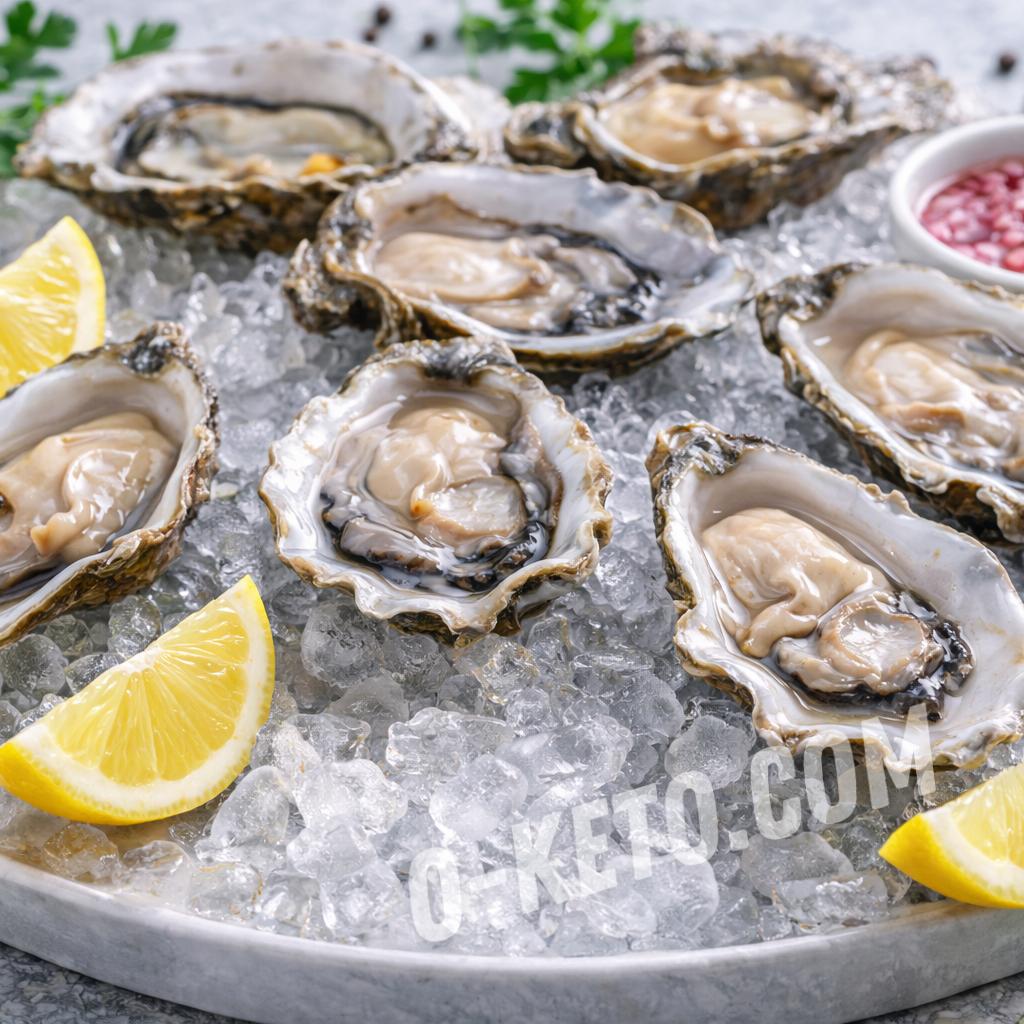
Oysters are one of the most famous seafood delicacies. They are rich in trace elements and complete protein, and in gastronomy, they are valued for their pure taste of the sea and creamy texture. The overwhelming majority of oysters in the world are consumed alive, so freshness is the main criterion for selection.
How to choose live oysters
the shells are tightly closed or close when tapped;
the shell is heavy for its size;
there are no cracks or chips;
the smell is fresh, marine, without sharp notes.
You can check freshness with a drop of lemon juice or vinegar: a live oyster slightly “tightens up”.
If the shell is slightly open and does not react, it is better not to use the product.
How to properly open an oyster
The main difficulty is opening the shell. For this, an oyster knife and a thick glove or folded towel are used:
fix the shell with the flat side up;
insert the knife between the shells;
cut the adductor muscle;
cut the mollusk from the bottom;
keep the juice inside the shell.
Live oysters are served on ice, on one shell, and eaten immediately after opening.
Best cooking methods
Without heat treatment. The classic serving is with minimal additions. This allows you to preserve the natural sweetness and iodized notes.
Oysters are a product of minimalist cuisine. The less interference, the more their natural taste of the sea and creamy texture is felt.
Any remaining questions? Ask chatGPT.:
If you have any questions по теме статьи "How to choose and prepare oysters", you can ask them to AI. Please note, a low-cost OpenAI model is used. It may answer questions about disease treatment with errors!
Ask a question
List of videos from YouTube with product review "How to choose and prepare oysters":
If you have any opinions or additions on this topic, you can leave a comment about the article. "How to choose and prepare oysters":
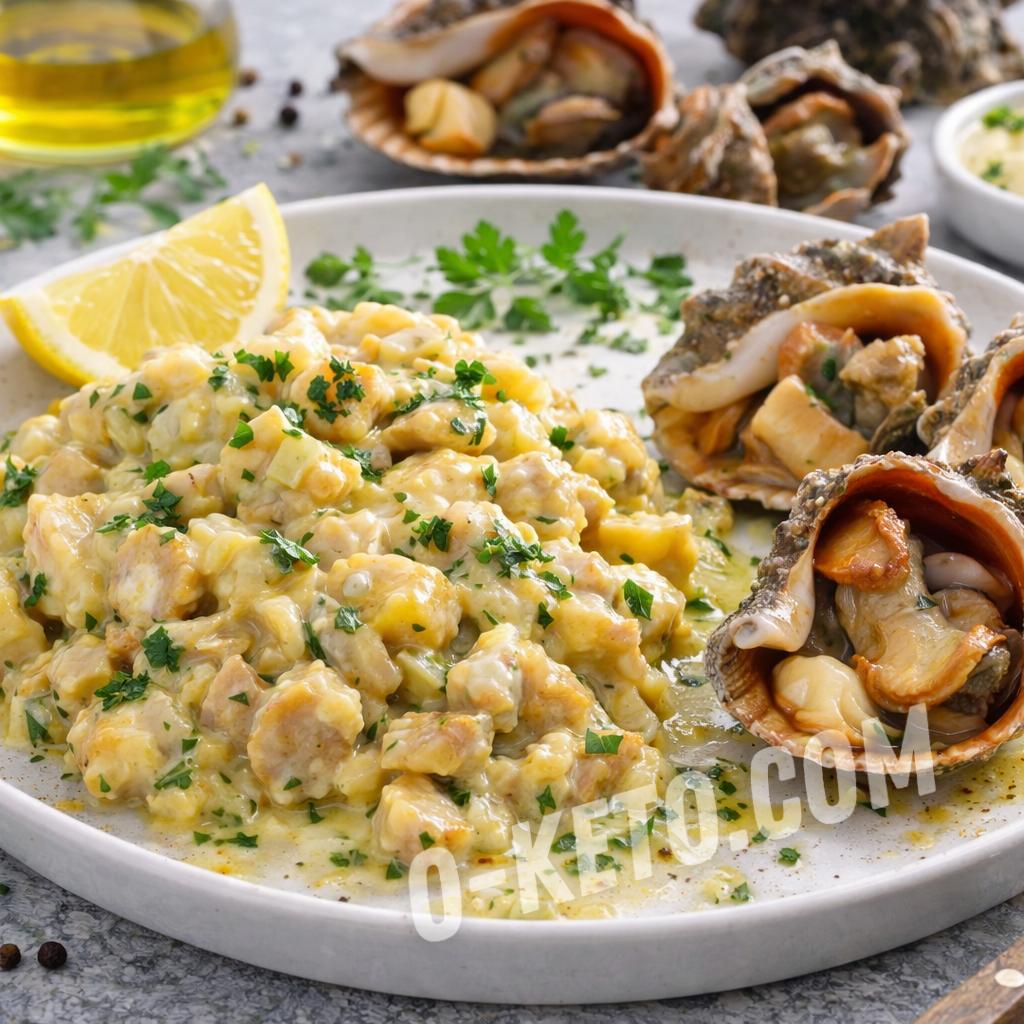
Rapans are gastropod mollusks with dense, elastic meat and a pronounced sea flavor with subtle “mushroom” notes. They spread in the Black Sea in the 20th century and significantly affected the populations of mussels and oysters. In cooking, rapans are valued for their rich taste but require careful heat treatment: with prolonged heating, the meat quickly becomes tough.
Which part of the rapan is edible. The front part — the “foot” — is consumed, as well as the liver located just behind it. The internal organs are removed or thoroughly cleaned.
The simplest way is to boil quickly. After that, they can be eaten cold, stewed in sauce, or baked. The main rule is to cook quickly.
Cooking rapans
Frozen rapans. This is already a peeled semi-finished product without a shell, which can be cooked immediately after defrosting:
defrost slowly in the refrigerator;
dry before frying;
do not subject to prolonged boiling;
best to stew in sauce.
The best cooking methods:
boiling;
frying;
stewing.
The optimal option is a short boil of 3–5 minutes after boiling, followed by quick frying or stewing in cream sauce. Prolonged boiling makes the meat dense and rubbery.
Rapans are a product with character. With quick and precise heat treatment, they remain tender and juicy, and their “mushroom” undertone is beautifully revealed in cream sauces.
Any remaining questions? Ask chatGPT.:
If you have any questions по теме статьи "How to choose and cook rapana.", you can ask them to AI. Please note, a low-cost OpenAI model is used. It may answer questions about disease treatment with errors!
Ask a question
List of videos from YouTube with product review "How to choose and cook rapana.":
If you have any opinions or additions on this topic, you can leave a comment about the article. "How to choose and cook rapana.":
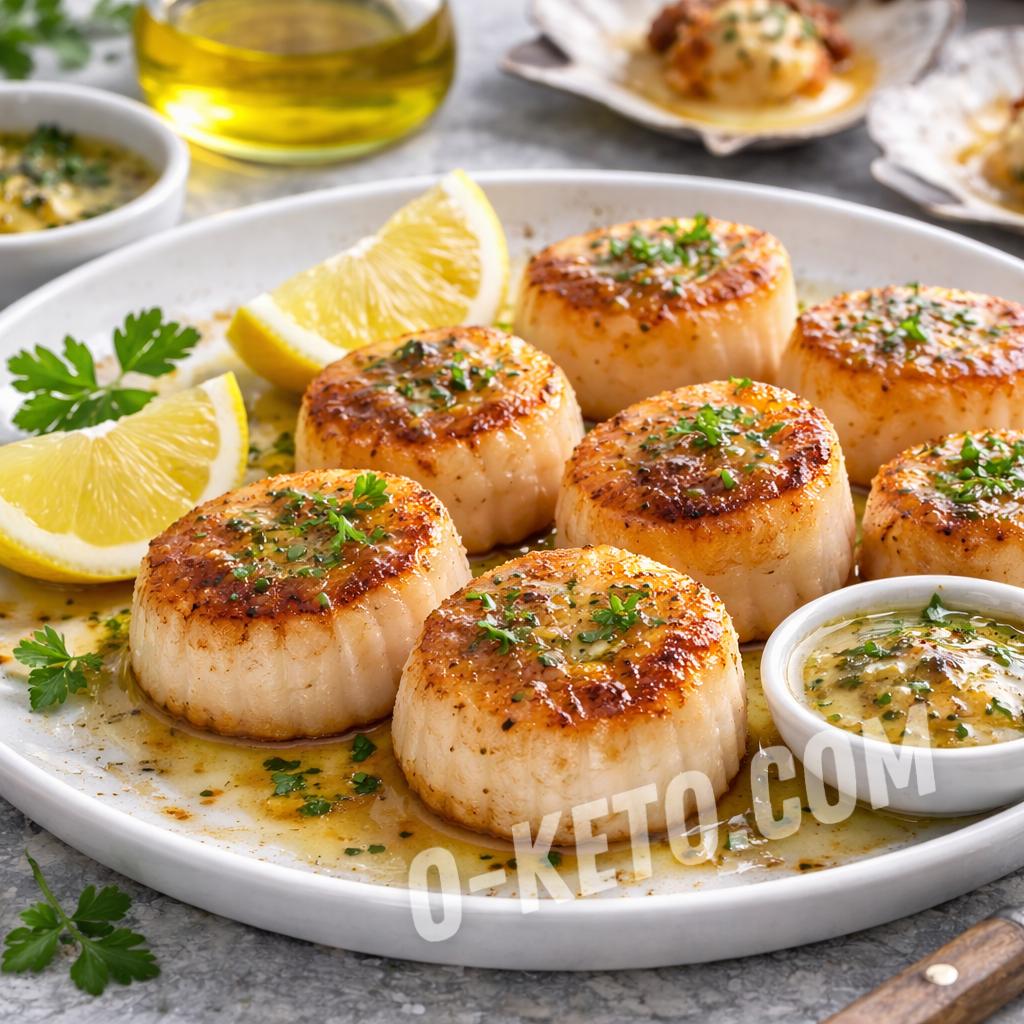
Scallops are one of the most exquisite bivalve mollusks.
Only the adductor muscle, which holds the shell closed, and the roe — “coral” — are used for food. Scallop meat has a delicate, almost creamy texture and a pronounced sweetness.
They can be eaten raw or seared so that the inside remains juicy and almost rare.
Choosing Scallops
Scallops are quite expensive everywhere. They inhabit deep waters, and significant waste is generated during processing, which affects the price. Their shells are so beautiful that they are often used for serving dishes.
Live Scallops. This is the most valuable option. Fresh scallops are easier to dry, making it easier to achieve a caramelized crust when frying and to maintain texture.
How to choose:
the shells are tightly closed or close when touched;
the smell is fresh, marine;
the meat is firm, without sliminess;
the coral is bright, without dark spots.
How to open:
insert a short, sturdy knife between the shells;
twist the knife to widen the gap;
cut the adductor muscle;
remove the meat along with the coral.
Frozen Scallops on the Shell. Usually sold already cleaned on one shell. They do not need additional cleaning — just thaw and cook:
Frozen Scallop Meat. Most often sold without coral. Thawing should be as gentle as possible — at least 24 hours in the refrigerator, after which it should be thoroughly dried before frying.
Best Cooking Methods
frying;
grilling;
baking;
raw.
When frying, it is important to use a very hot pan and a minimal amount of oil. The scallop is seared for 1–2 minutes on each side until golden brown, leaving the center juicy. Full cooking deprives it of tenderness and sweetness.
let it “rest” for 1–2 minutes after removing from heat;
do not flip too often.
Scallops are a product of precision. They require high temperature, short cooking time, and minimalism in spices. With the right approach, they reveal a sweet, juicy, and almost creamy flavor.
Any remaining questions? Ask chatGPT.:
If you have any questions по теме статьи "How to choose and cook scallops", you can ask them to AI. Please note, a low-cost OpenAI model is used. It may answer questions about disease treatment with errors!
Ask a question
List of videos from YouTube with product review "How to choose and cook scallops":
If you have any opinions or additions on this topic, you can leave a comment about the article. "How to choose and cook scallops":
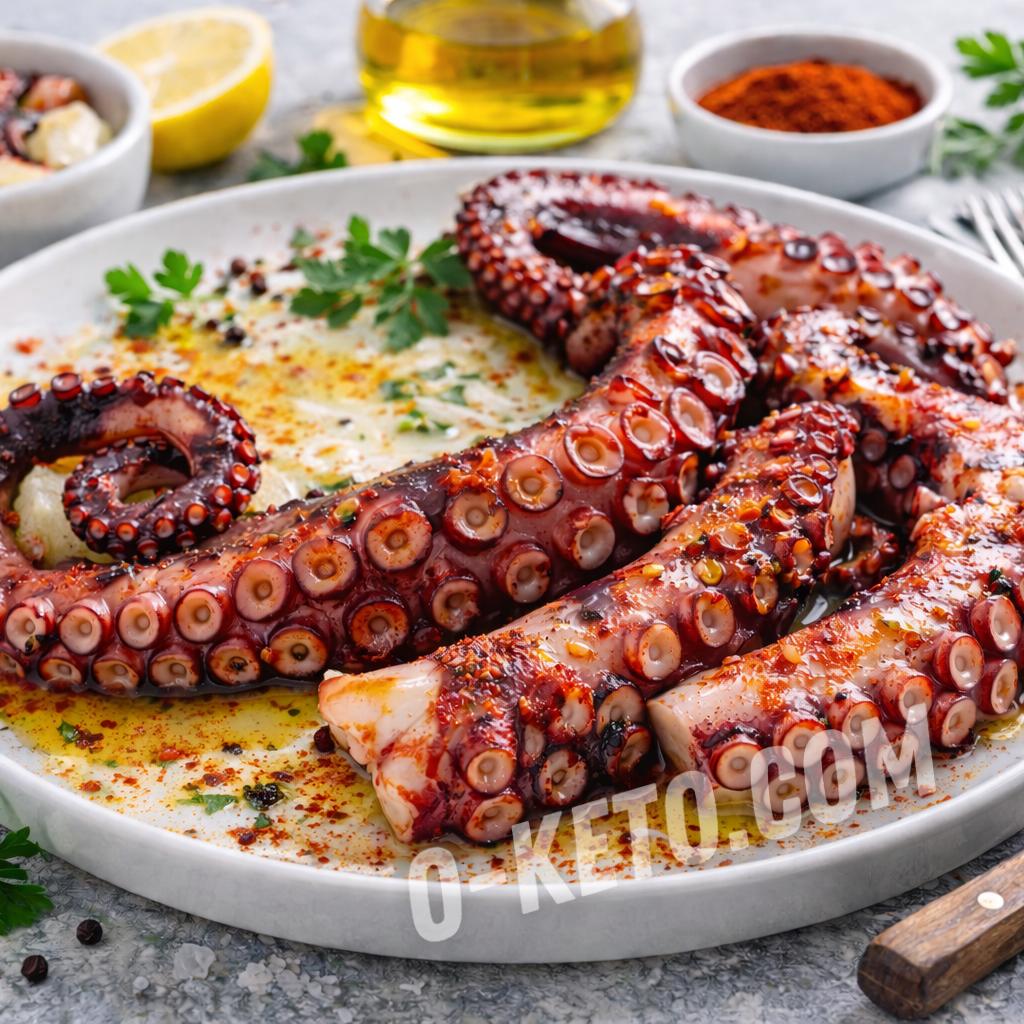
Octopuses are cephalopod mollusks with a dense, rich flavor and a characteristic texture. Unlike squid, they are most often boiled, even if grilling, baking, or carpaccio is planned later. Pre-boiling softens the fibers, but it should be noted that the weight of the octopus significantly decreases due to juice loss.
Why octopus is almost always boiled. Even when served grilled or as thinly sliced tentacles, pre-boiling helps achieve a tender texture. Without this step, the meat often remains tough.
Alternatives include poaching and sous-vide, which provide a more controlled texture.
Fresh or frozen: which is better
Interesting fact: octopus is a rare exception among seafood that benefits from freezing. Freezing breaks down some muscle fibers and makes the meat softer.
If the octopus is fresh:
the smell is clean, marine;
the skin is shiny, without slime;
the tentacles are firm;
the color is natural, without a gray coating.
Fresh octopus needs to be softened beforehand—either mechanically or by freezing before cooking.
Frozen octopuses:
a thin glaze without large ice chunks;
no snow crumbs in the packaging;
thaw slowly in the refrigerator.
After thawing, the octopus is boiled until tender, focusing not on time but on texture: a fork should go in without resistance.
Cooked-frozen octopuses. They are sold for time-saving. They just need to be thawed carefully and used in cold dishes or lightly sautéed.
do not strictly rely on minutes—check tenderness with a fork;
after boiling, let the meat “rest” in the broth;
for grilling, use already boiled tentacles;
avoid overloading with spices;
cut across the fibers for a more tender texture.
Octopus requires patience, but with the right preparation, it offers a deep, rich flavor and a dense yet tender texture.
The main principle is to first soften, then carefully bring to the desired doneness.
Any remaining questions? Ask chatGPT.:
If you have any questions по теме статьи "How to choose and cook octopus", you can ask them to AI. Please note, a low-cost OpenAI model is used. It may answer questions about disease treatment with errors!
Ask a question
List of videos from YouTube with product review "How to choose and cook octopus":
If you have any opinions or additions on this topic, you can leave a comment about the article. "How to choose and cook octopus":
Only verified information backed by research, physiology, and biochemistry about your health.
Why diseases occur, how to heal with proper nutrition, vitamins, and minerals, what therapeutic doses to take, and which diet is optimal for your health. What tests to take and how to interpret the results.
In the settings, you can also enable knowledge based on GNM and homeopathy.
We use cookies to ensure the best presentation of our website. If you continue to use the site, we will assume that you are satisfied with it.