Monounsaturated fats play a key role in maintaining heart and vascular health.
Research shows that they help lower levels of “bad” cholesterol (LDL), which can accumulate on the walls of arteries, leading to the development of cardiovascular diseases.
Unlike saturated fats, which raise levels of bad cholesterol, monounsaturated fats promote its reduction while supporting levels of “good” cholesterol (HDL), necessary for the normal functioning of the body.
They achieve this through several mechanisms:
Stimulation of LDL removal. Monounsaturated fats increase the activity of receptors on liver cells that capture and remove LDL from the blood. This reduces the concentration of “bad” cholesterol, decreasing the likelihood of its accumulation on arterial walls.
Reduction of LDL oxidation. Oxidized LDL is considered more dangerous for blood vessels, as it penetrates arterial walls more easily and causes inflammation, which can lead to atherosclerosis. Monounsaturated fats help reduce LDL oxidation due to their antioxidant properties.
Improvement of overall lipid profile. They increase the level of “good” cholesterol (HDL), which helps transport excess cholesterol from the arteries back to the liver for processing and removal. Thus, the balance between HDL and LDL improves.
Thus, monounsaturated fats improve the lipid profile and reduce the risk of atherosclerosis.
In addition, monounsaturated fats help reduce inflammatory processes in the body and regulate blood sugar levels.
For this reason, it is recommended to reduce the intake of saturated fats and replace them with healthier monounsaturated and polyunsaturated fats.
Although there are no strict norms for the amount of monounsaturated fats, they should make up 15-20% of total caloric intake. This is especially important for those who seek to maintain a healthy balance of fats in their diet.
List of Products
But which products are rich in monounsaturated fats?
The products with a high content of monounsaturated fats include:
If you have any questions по теме статьи "Monounsaturated fats reduce the amount of bad cholesterol. What foods are rich in them?", you can ask them to AI. Please note, a low-cost OpenAI model is used. It may answer questions about disease treatment with errors!
Ask a question
List of videos from YouTube with product review "Monounsaturated fats reduce the amount of bad cholesterol. What foods are rich in them?":
If you have any opinions or additions on this topic, you can leave a comment about the article. "Monounsaturated fats reduce the amount of bad cholesterol. What foods are rich in them?":
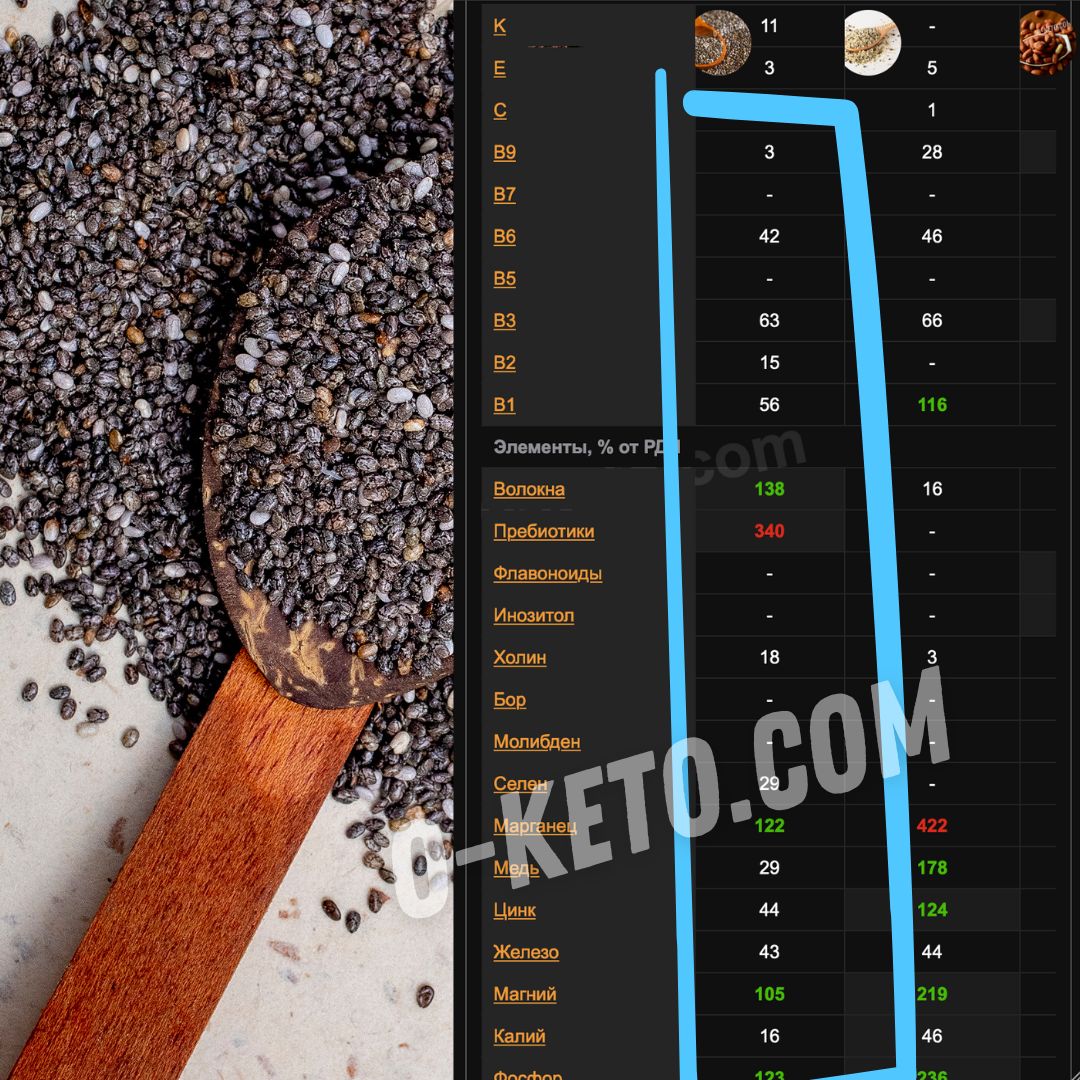
Earlier, we selected the best nuts (see the attached article below). Now let’s compare them with various types of seeds to find out where there are more vitamins and minerals.
But despite all the advantages, in terms of nutrients, they fall short compared to other seeds and nuts.
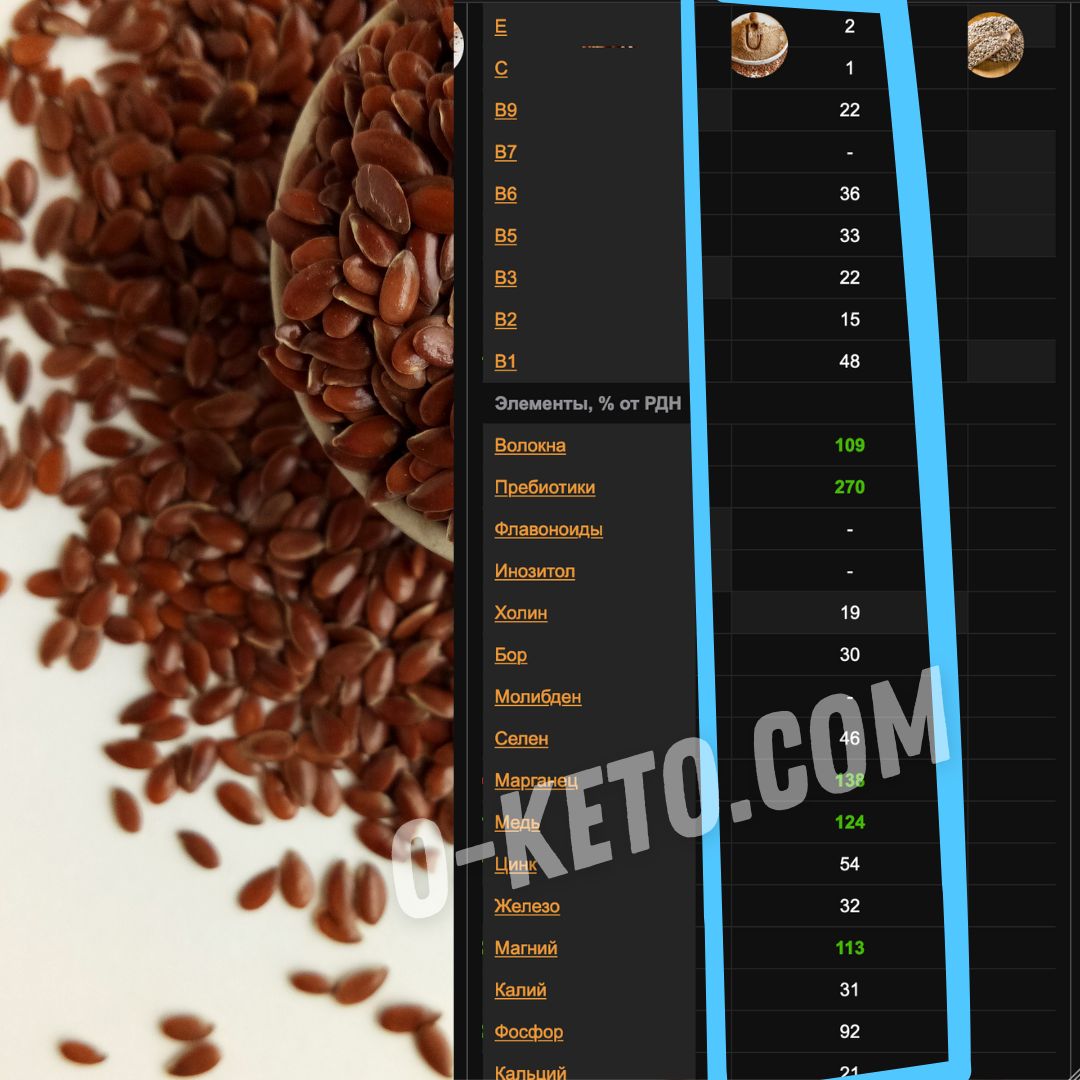
Flaxseeds
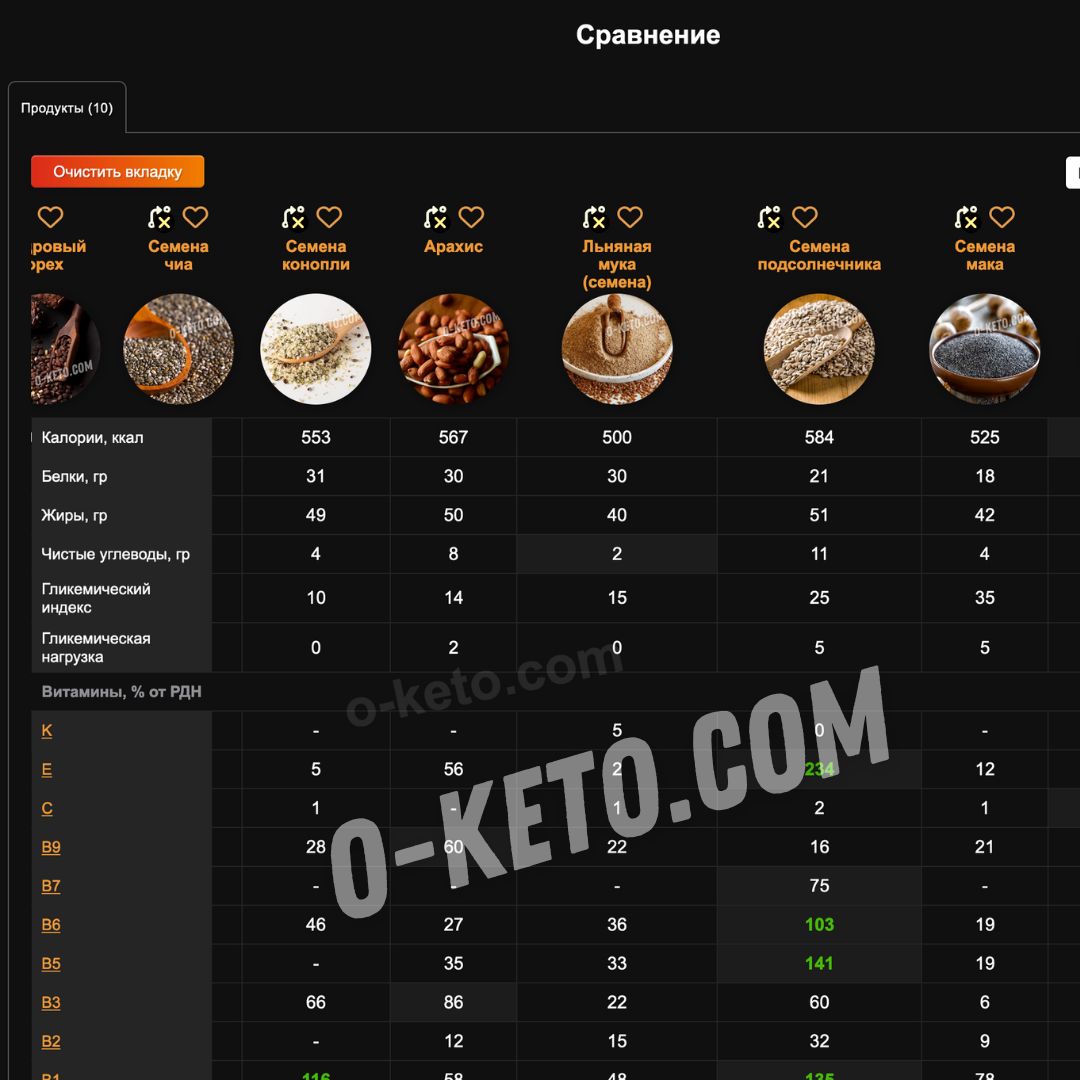
Flaxseeds contain only 2 grams of net carbohydrates.
Like chia seeds, they also contain omega-3 fatty acids and a large amount of prebiotics.
They reduce the risk of developing diabetes and certain types of cancer. They help in treating skin diseases. They lower bad cholesterol…
But despite all this, in terms of nutrients, they cannot compare with the remaining seeds and nuts.
Peanuts
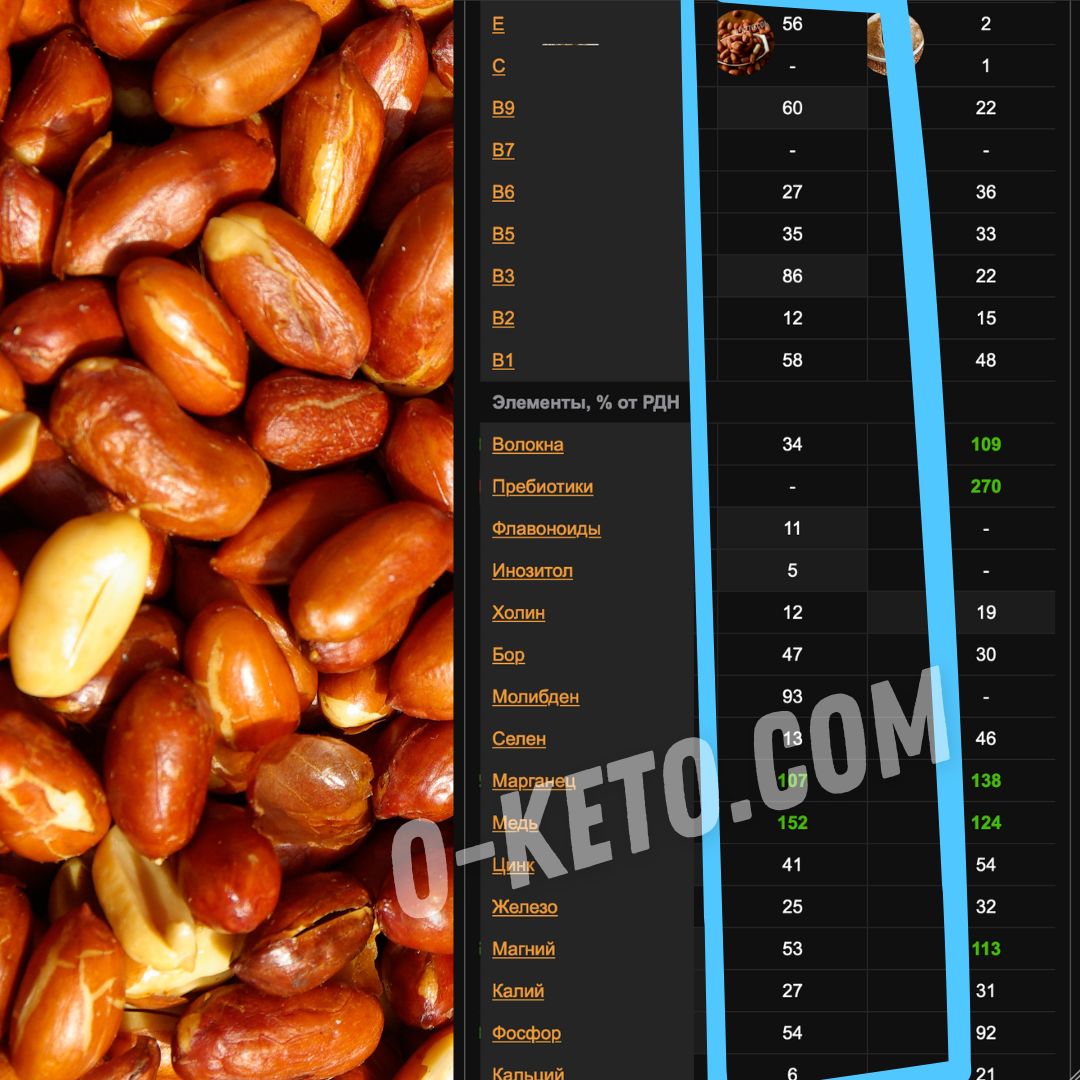
Although peanuts are not nuts, they were the winners among nuts for the amount of B vitamins.
However, when compared to seeds, this advantage is lost. They remain champions in vitamin B3 and B9 content.
The contender has slightly less vitamin B3.
Vitamin B9 is important during pregnancy, for DNA synthesis, and for blood health.
And although peanuts are rich in healthy fats and resveratrol, which protects against cancer and neurodegenerative diseases, they still drop out of our competition.
Poppy Seeds
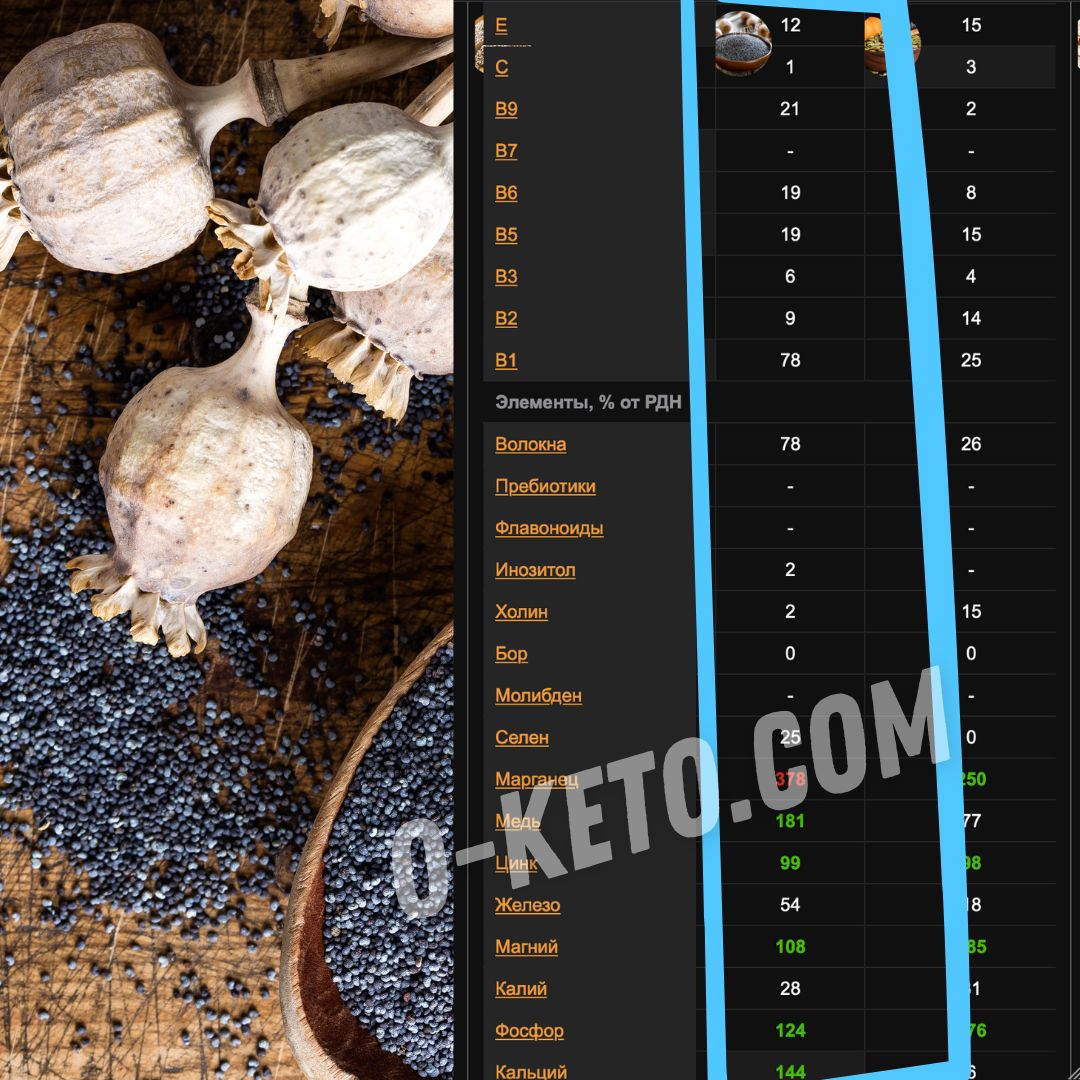
Poppy seeds are champions in calcium content not only among other seeds but also among any other products.
And although poppy seeds are rich in many minerals, let’s face the truth. Eating at least 50 grams of poppy seeds is not that easy.
Poppy seeds cannot be eaten by the spoonful. However, I would recommend adding a small amount to baked goods.
Almonds
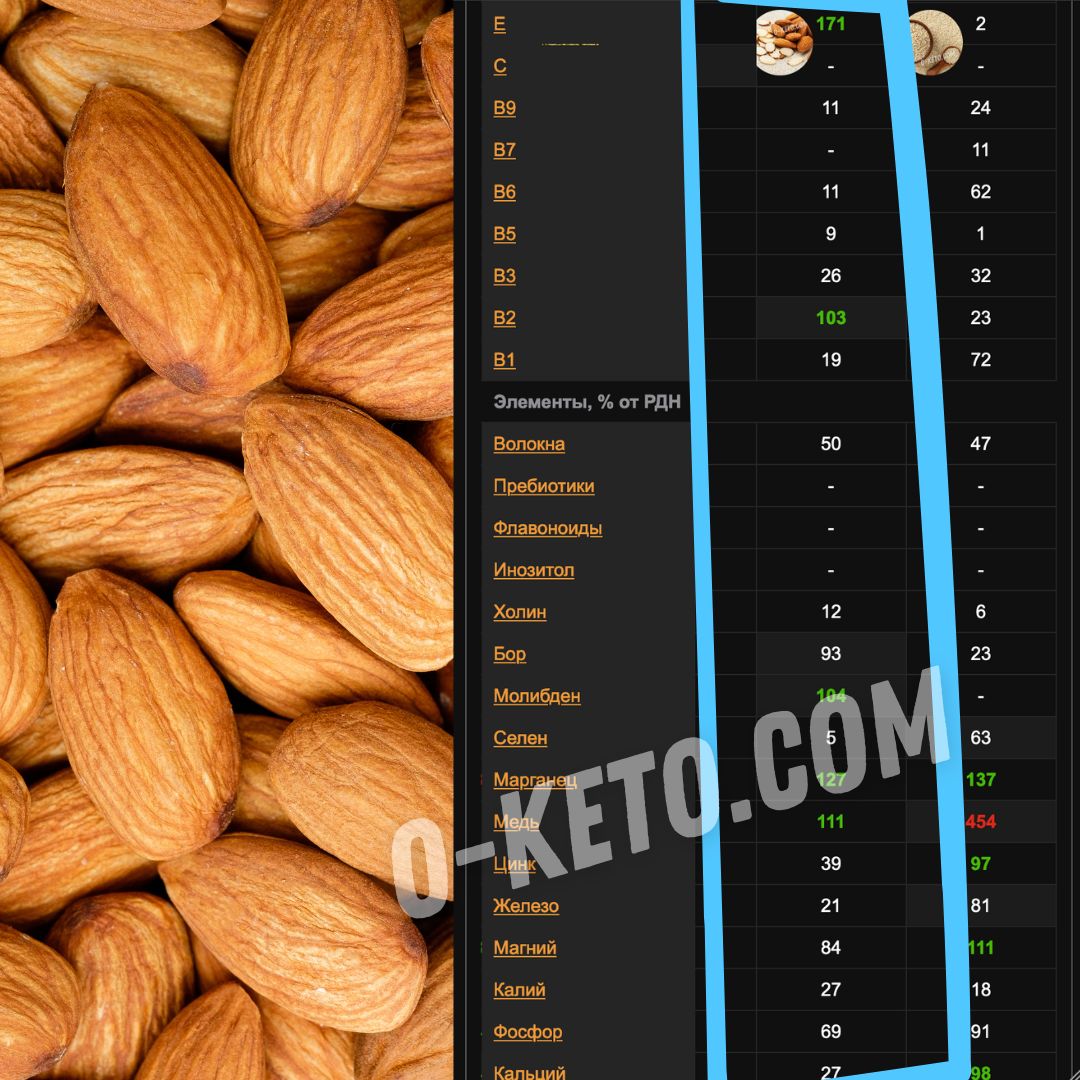
Almonds were the winners among nuts. Although, in fact, almonds are seeds.
Vitamin B2 is essential for skin health, vision, metabolism, and energy production.
But in terms of other nutrients, the remaining seeds surpass it. One vitamin is not enough to remain a winner.
1st place: Sunflower Seeds
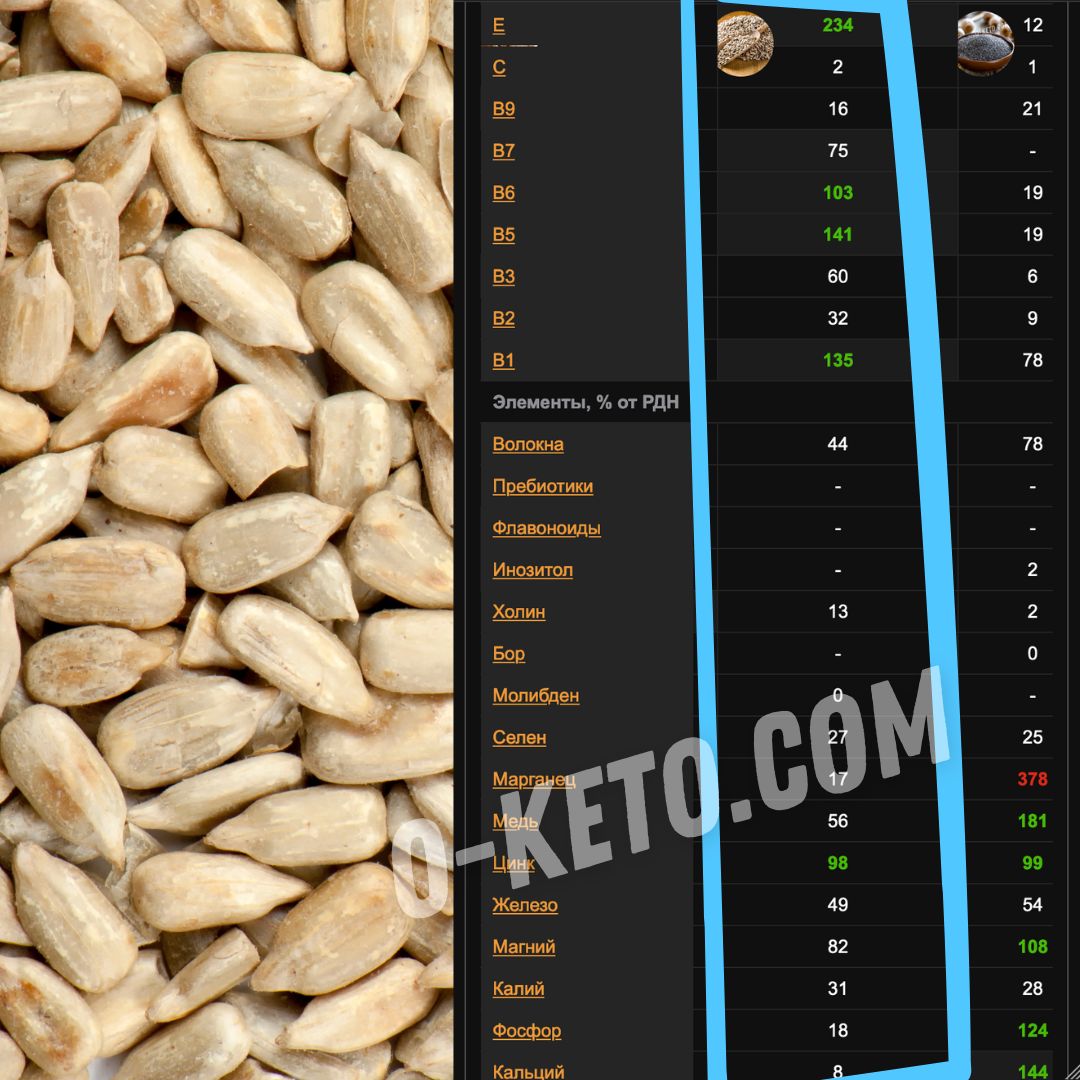
Sunflower seeds are the undeniable winners among other nuts and seeds in terms of vitamin content.
They contain a huge amount of B vitamins, comparable to chicken liver. So if you don’t like chickenliver, sometimes you can replace it with sunflower seeds.
In 100 grams of seeds, the amount of vitamins B1, B5, B6 exceeds the daily norm. And more than half of the daily norm for vitamins B3 and B7.
Additionally, sunflower seeds contain more than two daily norms of vitamin E.
Sunflower seeds are one of the winners of our comparison. The main thing is to consume them raw. After all, unlike minerals, any thermal processing can destroy some vitamins.
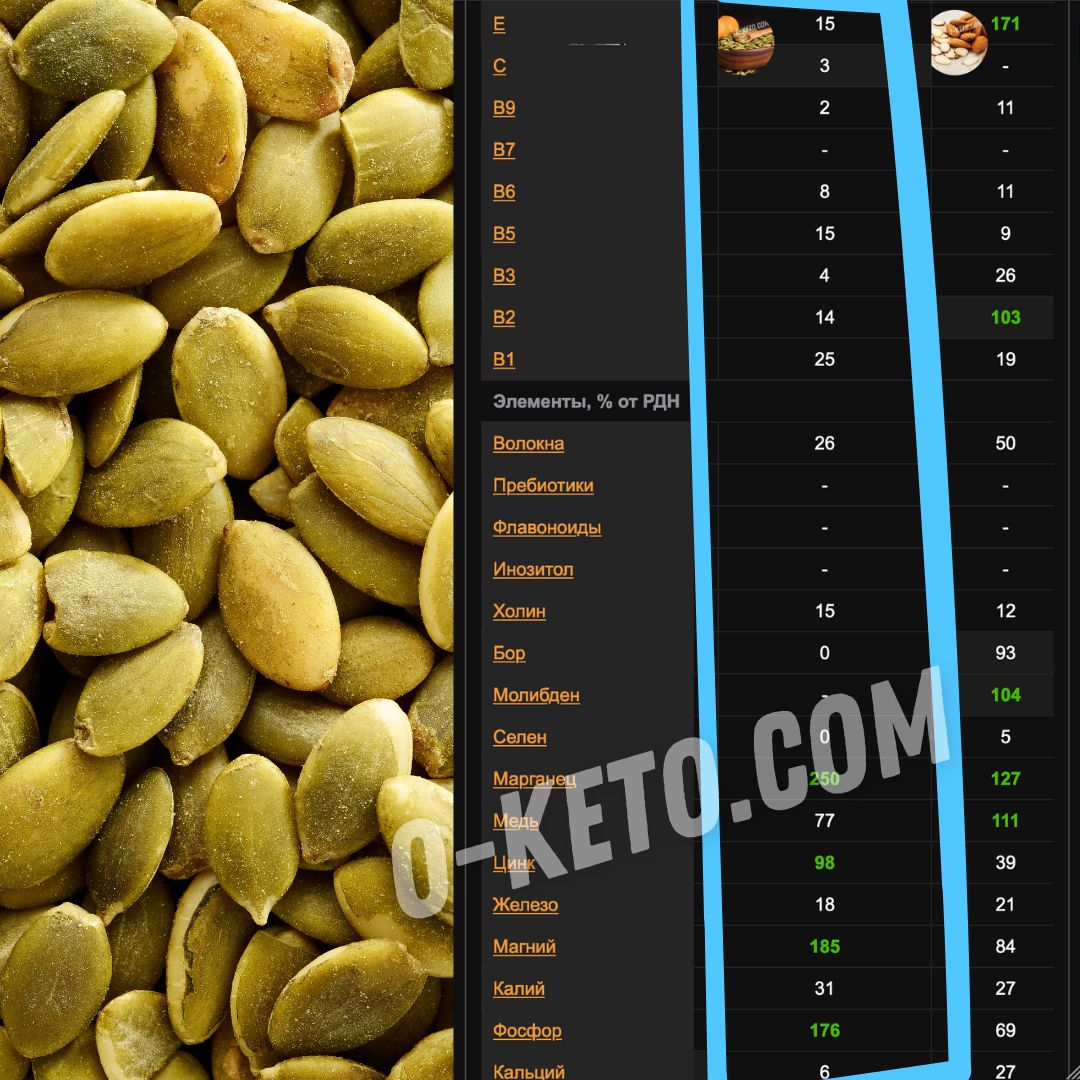
The second place is shared between pumpkin seeds and sesame. Both of these types of seeds are rich in minerals.
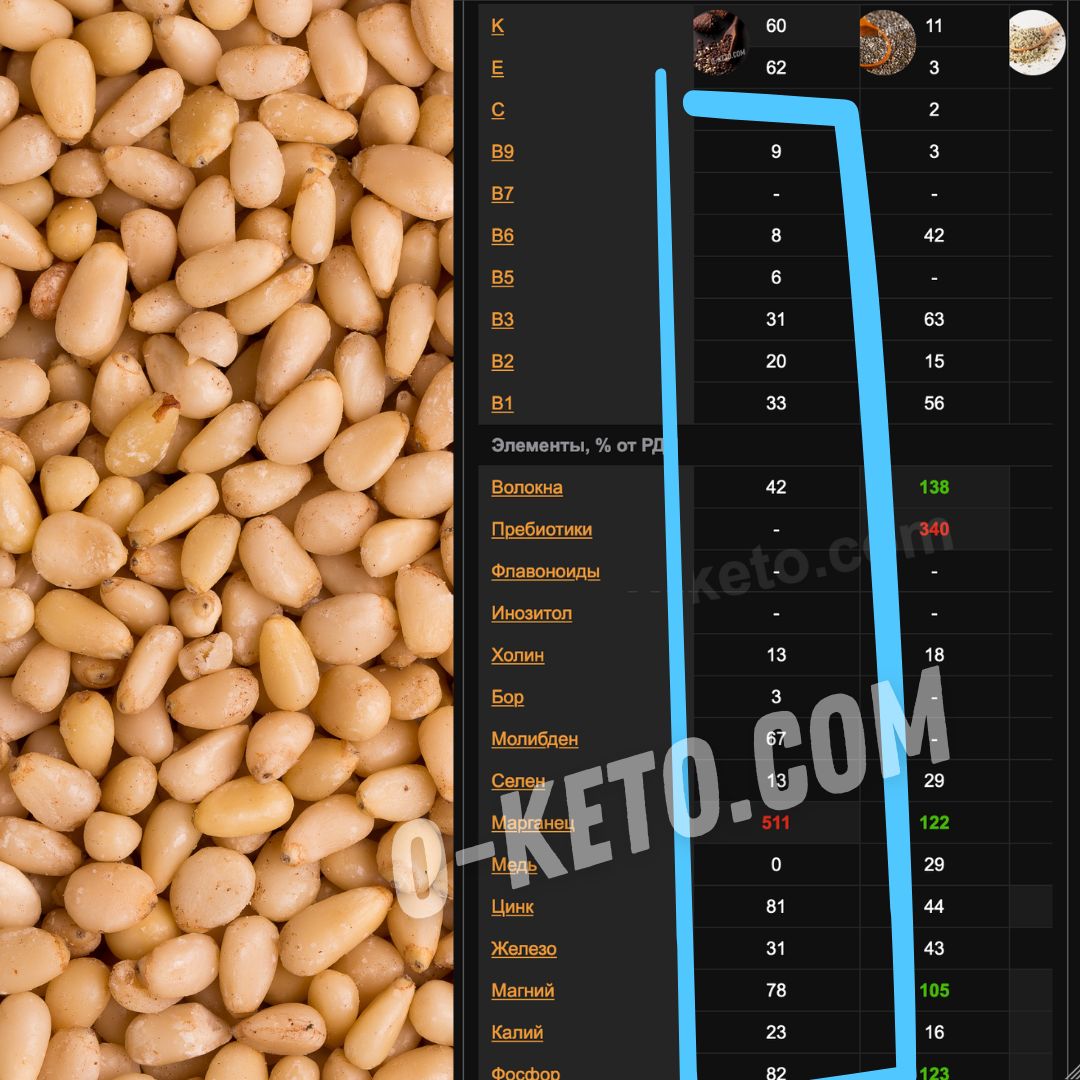
If the daily norm of zinc is found in both pumpkin, sesame, and even sunflower seeds. Then in terms of manganese, magnesium, and phosphorus, pumpkin seeds are the champions.
Also, pumpkin seeds contain tryptophan, which promotes the production of the happiness hormone serotonin.
In addition, pumpkin seeds contain omega-3 fatty acids.
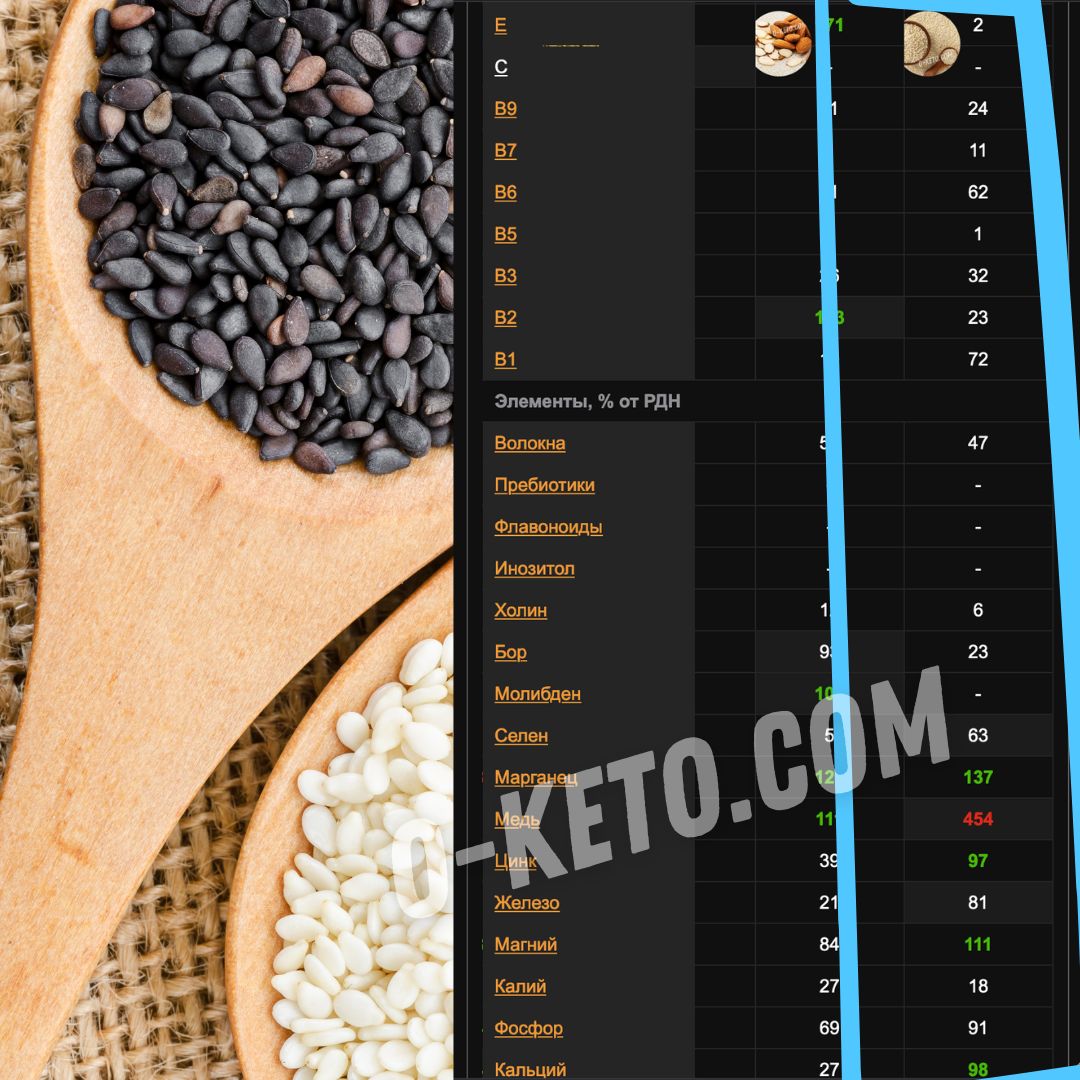
2nd place: Sesame
Among the remaining seeds, sesame is the champion in calcium, iron, copper, and selenium.
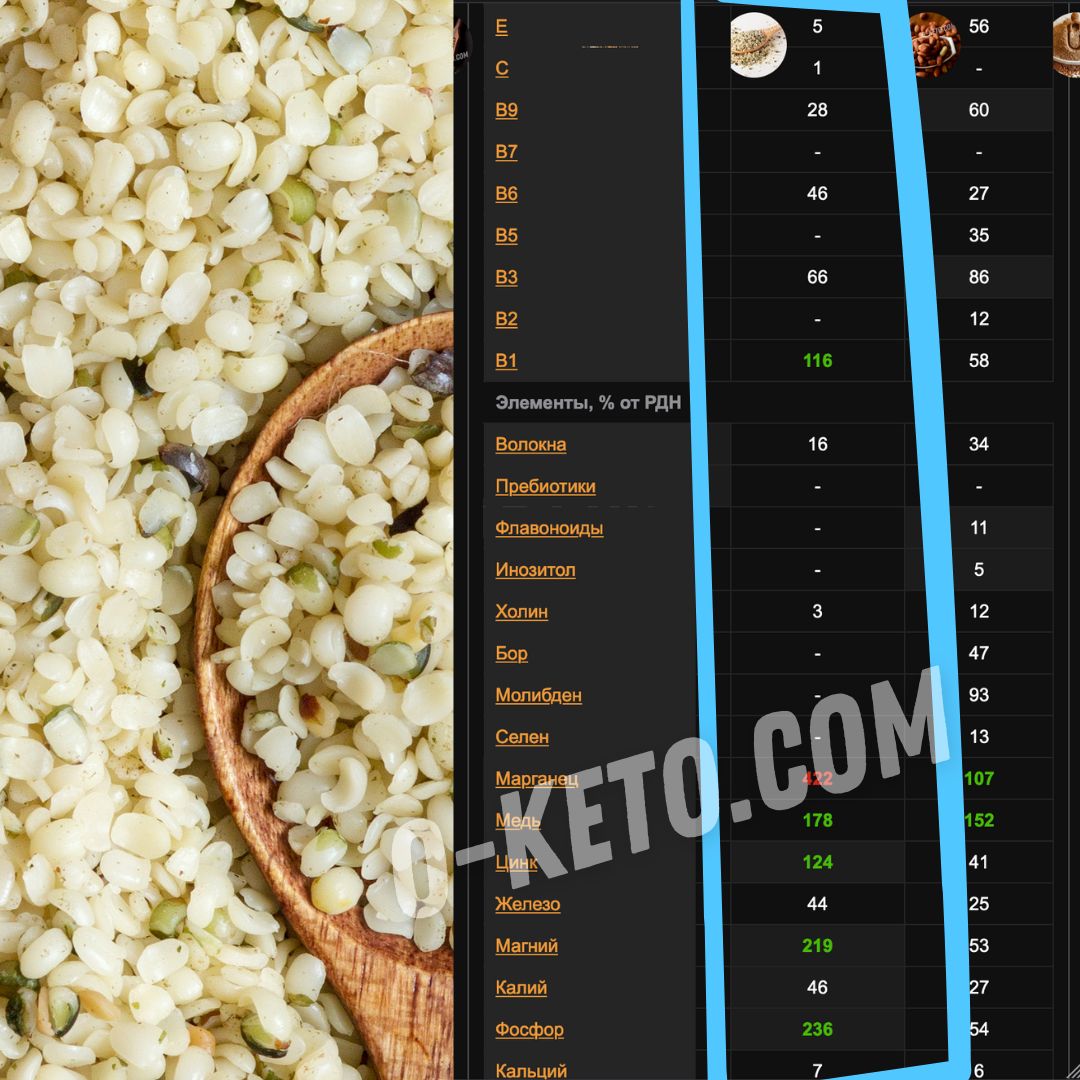
3rd place: Hemp Seeds
Hemp seeds are another superfood rich in antioxidants.
They contain omega-3 and omega-6 fatty acids in a ratio considered ideal for health.
These seeds are champions in manganese, zinc, magnesium, potassium, and phosphorus among all seeds and nuts.
Only due to their specific taste and high price, they take third place. In fact, the amount of the listed minerals in them is even greater than in pumpkin seeds and sesame.
If you have any questions по теме статьи "Which seeds and nuts are healthier? Choosing from 10 types of seeds and the best nuts based on vitamin and mineral content", you can ask them to AI. Please note, a low-cost OpenAI model is used. It may answer questions about disease treatment with errors!
Ask a question
List of videos from YouTube with product review "Which seeds and nuts are healthier? Choosing from 10 types of seeds and the best nuts based on vitamin and mineral content":
If you have any opinions or additions on this topic, you can leave a comment about the article. "Which seeds and nuts are healthier? Choosing from 10 types of seeds and the best nuts based on vitamin and mineral content":
The start of a keto diet may be accompanied by unpleasant symptoms known as keto flu.
This condition often causes newcomers to feel fatigued, experience headaches, and become irritable. But there’s no need to panic, as these symptoms are temporary and usually subside within a few days.
In this article, we will discuss the steps that can help you cope with keto flu and continue your journey towards a healthy lifestyle.
Causes of Keto Flu: What Happens in the Body?
Keto flu occurs due to a sharp reduction in carbohydrate intake, leading to changes in metabolism.
When the body begins to use fats instead of carbohydrates as its primary energy source, an adaptation occurs, accompanied by unpleasant symptoms.
Decreased glycogen levels. When you sharply reduce carbohydrate intake, glycogen stores (the form of glucose storage in the liver and muscles) get depleted quickly.
Glycogen is associated with water, and its loss results in rapid fluid loss.
This can cause dehydration, headaches, and muscle cramps, which are often perceived as symptoms of keto flu.
Decreased insulin levels. With reduced carbohydrate intake, insulin production decreases.
While this is a desired effect of the keto diet, a sharp drop in insulin leads to increased sodium and water loss through the kidneys, which can cause electrolyte imbalance.
This further exacerbates keto flu symptoms such as dizziness and weakness.
Decreased serotonin levels. Carbohydrates are involved in synthesizing serotonin, the “happiness hormone.”
A sharp decrease in carbohydrates may lower serotonin levels, potentially leading to temporary mood deterioration or even depression.
Hormonal changes. Adapting to new energy metabolism conditions can cause temporary hormonal disruptions.
Decreased availability of quick energy sources. Carbohydrates are a simpler source of energy than fats. When the body transitions to using fats as fuel, it takes time to enter a state of ketosis.
During this period, cells experience an energy deficit, which can cause fatigue, slow reaction times, and decreased endurance.
At the beginning of the keto diet, ketone levels (alternative energy sources) are not yet stable. The body does not immediately produce enough ketones, leading to insufficient energy supply for tissues.
Maintaining Water and Electrolyte Balance
Electrolytes play a crucial role in cellular energy production (ATP).
Without sufficient sodium, potassium, and magnesium, cells may struggle to produce energy, leading to feelings of fatigue.
Maintaining water and electrolyte balance is a key aspect of overcoming keto flu.
When transitioning to a keto diet, the body loses more water and electrolytes, which can cause unpleasant symptoms.
To avoid this, include in your diet:
Salt supplements: use Himalayan or sea salt to restore sodium;
Magnesium-rich foods, such as avocados, nuts, and seeds;
Potassium-rich foods, such as avocados, parsley, spinach, and other greens;
Also, remember to drink enough water to avoid dehydration.
This will significantly help reduce the symptoms of keto flu and alleviate fatigue and headaches.
Physical Activity
Physical activity plays a key role in helping the body adapt to the keto diet and minimizing the symptoms of keto flu.
During keto flu, it is important to choose moderate exercises such as walking, yoga, or light cardio workouts.
This will help maintain energy levels and improve circulation.
During keto flu, the body may lack energy, so heavy workouts can worsen well-being and increase fatigue.
Once the body adapts to the new energy source, you can gradually increase the intensity of workouts. Strength training and intense cardio workouts will become more effective as the body becomes better at using fats as fuel.
Moderate activity, on the other hand, helps reduce stress levels and improve overall well-being.
Additionally, physical activity promotes the activation of fat metabolism, which is important for speeding up the adaptation process to using fats as the primary energy source.
Rest
During the adaptation period to the keto diet, the body requires time to recover and transition into ketosis.
Sleep plays a key role here, as the body restores its strength, reduces stress levels, and regulates hormonal processes during sleep.
Lack of sleep can increase cortisol levels (the stress hormone), which can exacerbate the symptoms of keto flu.
High cortisol levels can hinder the transition into ketosis and worsen unpleasant symptoms such as irritability and anxiety.
Try to sleep at least 7-8 hours a day and avoid stressful situations.
Relaxation and meditation can help improve sleep quality and lower cortisol levels, positively impacting your well-being.
Supplements
Supplements can significantly alleviate the symptoms of keto flu and speed up the body’s adaptation to ketosis.
Here are some key supplements to consider.
Electrolytes. Since the body loses more water and electrolytes on a keto diet due to reduced insulin levels, replenishing sodium, potassium, magnesium, and calcium becomes important.
Special electrolyte mixes or supplements with sodium and potassium can help maintain normal water-salt balance, prevent dehydration, cramps, and fatigue.
Magnesium. Magnesium plays a key role in muscle function, the nervous system, and energy metabolism. Many experience a deficiency of it on a keto diet, which can cause muscle cramps and weakness.
Magnesium supplements (e.g., magnesium citrate, magnesium glycinate) can help relieve cramps, improve sleep, and reduce fatigue.
Potassium. Potassium helps regulate blood pressure, muscle function, and supports the cardiovascular system. A deficiency of potassium can cause weakness, fatigue, and cramps.
Potassium supplements, such as potassium tartrate, can prevent deficiency.
Sodium. Sodium is lost through sweating and frequent urination. A sodium deficiency can lead to headaches, weakness, and dizziness.
Adding more salt than usual to food or taking salt solutions can help replenish sodium losses.
On a keto diet, this can be especially important for reducing overall inflammation and maintaining energy levels.
Vitamin D. It is important to maintain vitamin D levels on a keto diet, as it helps with calcium absorption and supports bone and immune system health.
This is especially relevant for people who do not get enough sunlight.
MCT oil. MCTs (medium-chain triglycerides) can help speed up the ketosis process and provide a quick source of energy.
MCT acids are quickly converted into ketones and can be useful for maintaining energy in the early stages of the keto diet.
Any remaining questions? Ask chatGPT.:
If you have any questions по теме статьи "How to get out of keto flu?", you can ask them to AI. Please note, a low-cost OpenAI model is used. It may answer questions about disease treatment with errors!
Ask a question
List of videos from YouTube with product review "How to get out of keto flu?":
If you have any opinions or additions on this topic, you can leave a comment about the article. "How to get out of keto flu?":
eicosapentaenoic acid (EPA) and docosahexaenoic acid (DHA), primarily found in fish and seafood.
Foods containing alpha-linolenic acid (ALA)
Alpha-linolenic acid (ALA) is one of the key types of omega-3 fatty acids that is particularly important for maintaining heart and vascular health.
Unlike other omega-3s, such as DHA and EPA, ALA is predominantly found in plant sources.
Although ALA performs independent functions in the body:
Antioxidant protection. ALA has antioxidant properties, helping to protect cells from damage.
Involvement in lipid metabolism. ALA affects the structure of cell membranes and lipid metabolism, supporting overall cell health.
Anti-inflammatory properties. Although ALA is less effective in this regard than EPA and DHA, it also helps reduce inflammation in the body.
Its key value lies in the fact that it is a precursor to EPA and DHA. That is, the Omega-3 ALA that enters the body is converted into Omega-3 EPA and DHA.
However, the conversion process is inefficient. Only a small portion of ALA is converted into EPA (approximately 5-10%) and an even smaller amount into DHA (approximately 0.5-5%).
The body cannot synthesize ALA on its own, so it is important to obtain it from food.
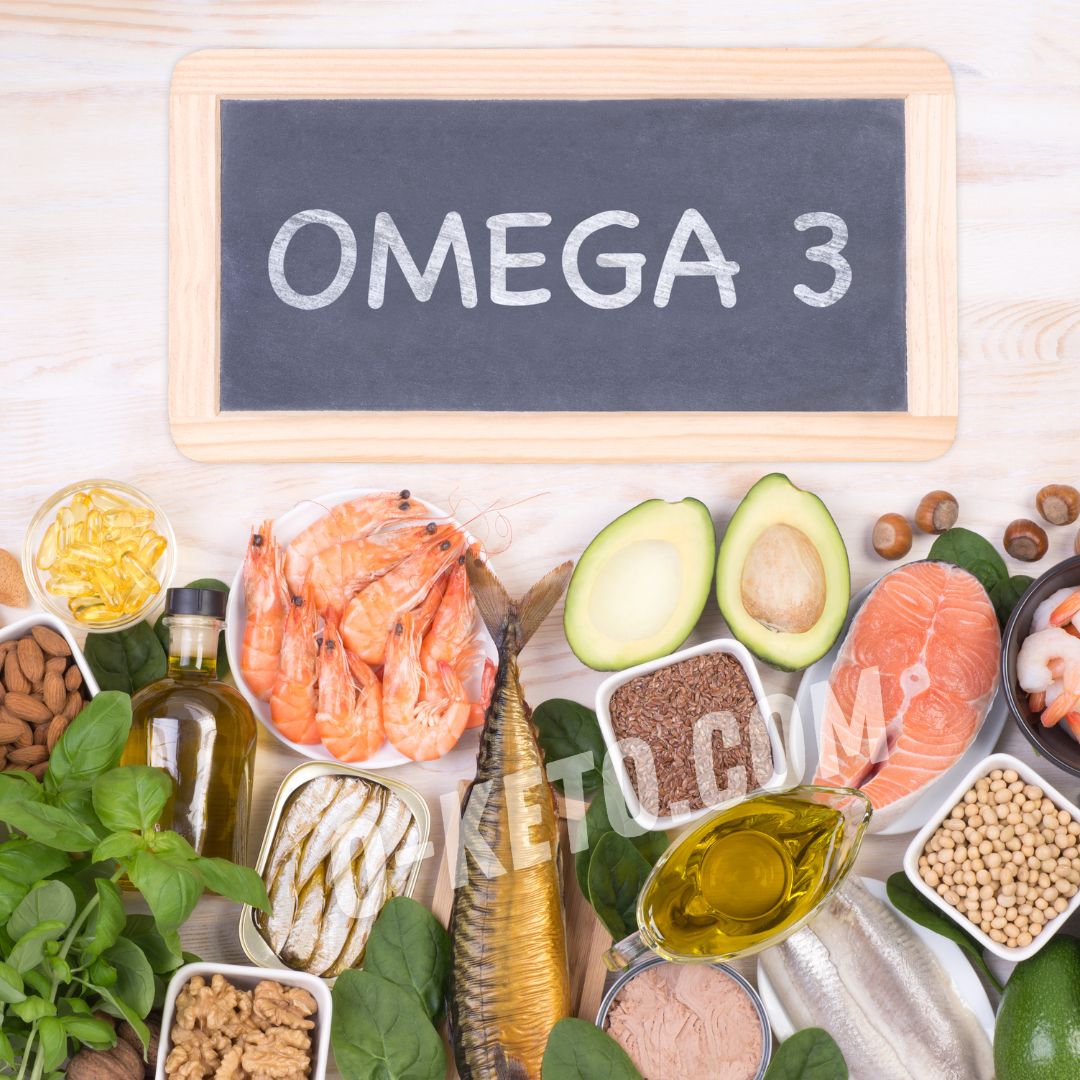
The following foods predominantly contain Omega-3 ALA acid:
Eicosapentaenoic acid (EPA) and docosahexaenoic acid (DHA) are the most bioavailable and potent forms of omega-3 fatty acids.
These substances are particularly important for heart, brain, and eye health, as well as for reducing inflammatory processes in the body.
Unlike ALA, EPA and DHA are primarily found in animal-based products, and their absorption does not require additional conversion in the body.
Regular consumption of sources of EPA and DHA helps maintain the normal functioning of the cardiovascular system, improves cognitive functions, and reduces the risk of inflammatory diseases.
Thus, the products that contain EPA and DHA fatty acids to a greater extent include:
If you have any questions по теме статьи "Which foods are rich in omega-3 fatty acids?", you can ask them to AI. Please note, a low-cost OpenAI model is used. It may answer questions about disease treatment with errors!
Ask a question
List of videos from YouTube with product review "Which foods are rich in omega-3 fatty acids?":
If you have any opinions or additions on this topic, you can leave a comment about the article. "Which foods are rich in omega-3 fatty acids?":
Intermittent fasting (IF), or periodic fasting (PF), is becoming an increasingly popular method for improving metabolic health, losing weight, and boosting energy.
However, to achieve the desired results, it is important to understand what can be consumed during fasting periods, as even seemingly harmless drinks can disrupt the process of autophagy or cause an insulin spike.
In this article, we will explore which drinks are allowed during intermittent fasting to maintain its effectiveness without disrupting the state of metabolic flexibility.
We will consider not only water but also other drink options that do not affect insulin and do not interrupt the process of autophagy.
Drinks Allowed on IF
The drinks that are completely allowed during IF include:
Of course, these products themselves cannot be consumed. They are steeped in the drink to add flavor and aroma, after which the drink is strained through a sieve to exclude the particles of spices.
Products in Limited Amounts
There are also a number of products that are allowed to be used during intermittent fasting in amounts no more than 1-2 teaspoons per hour.
If you have any questions по теме статьи "What drinks can be consumed during intermittent fasting (IF)?", you can ask them to AI. Please note, a low-cost OpenAI model is used. It may answer questions about disease treatment with errors!
Ask a question
List of videos from YouTube with product review "What drinks can be consumed during intermittent fasting (IF)?":
If you have any opinions or additions on this topic, you can leave a comment about the article. "What drinks can be consumed during intermittent fasting (IF)?":
The term “vitamin K” refers to two completely different vitamins: K1 and K2.
They differ significantly from each other both in the products in which they are found and in their effects on the human body. Because of this, many beneficial properties of vitamin K2 are attributed to vitamin K, which does not possess them at all.
Let’s figure out what vitamin K is actually needed for and in which products it is found. And what exactly is this vitamin K2 that everyone forgets about.
Vitamin K1 or simply K
The main purpose of vitamin K is to maintain blood clotting. It is necessary for the synthesis of several proteins required for the formation of a clot that stops bleeding.
Therefore, a deficiency of vitamin K increases the risk of bleeding.
Sources of vitamin K
The only sources of vitamin K are any greens and, to a lesser extent, some vegetables.
Vitamin K is present in any greens
A huge amount of vitamin K is found in parsley – just 8 grams of parsley contains the daily norm of vitamin K.
Parsley contains the most vitamin K
All other greens contain 4-5 times less vitamin K.
This means that to get the daily norm of this vitamin, it is enough to eat 8 grams of parsley or 40 grams of any other greens.
Absorption of vitamin K
But there is one caveat. Vitamin K is a fat-soluble vitamin. Therefore, any greens should be eaten with fats. For example, in the form of a salad with fetacheese or dressed with olive oil.
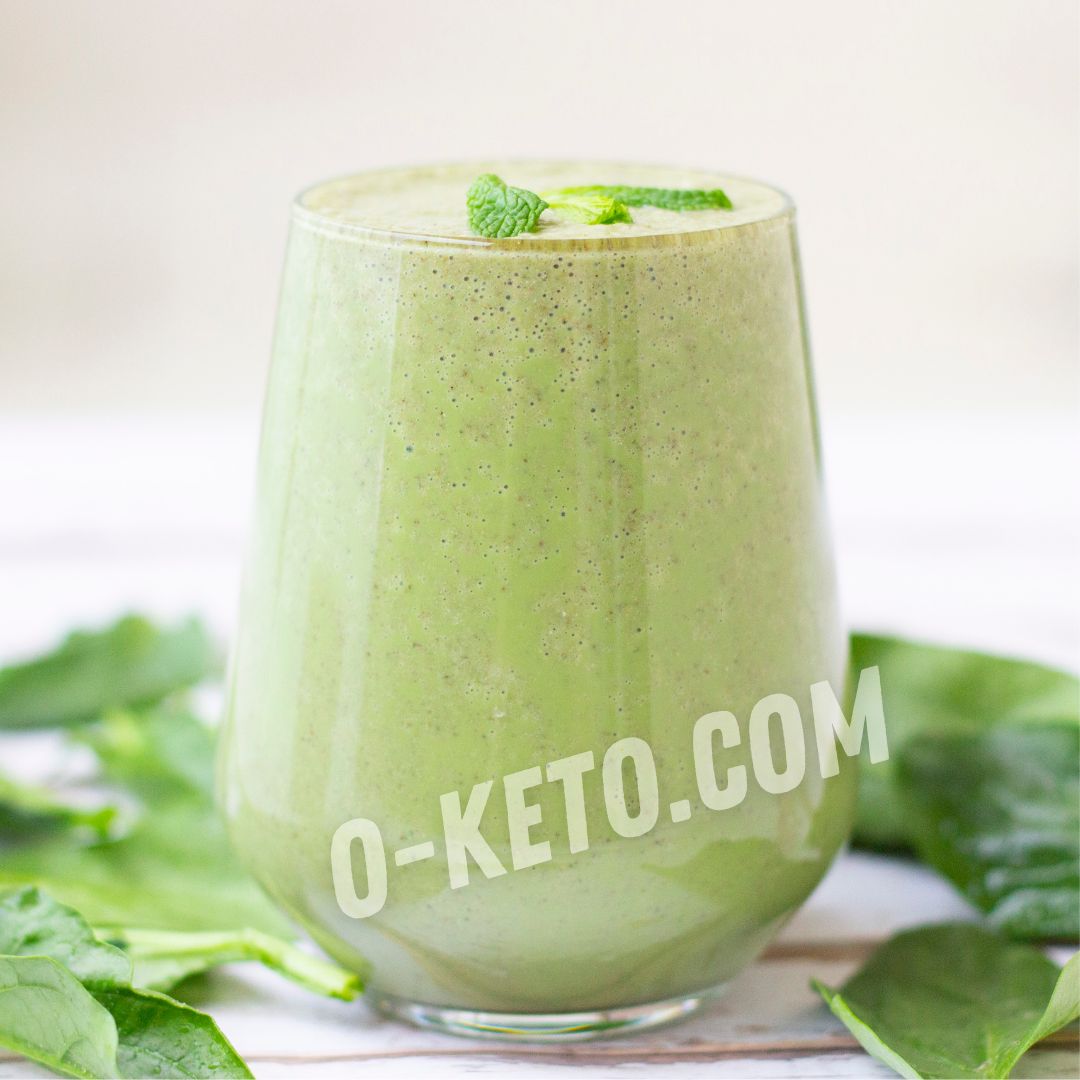
If you simply make a smoothie from greens based on water and without fats, the absorption of vitamin K will decrease by 5 times. And to obtain the daily norm of this vitamin, 200 grams of greens will be required.
Vitamin K is absorbed 5 times worse from a fat-free smoothie
Deficiency of vitamin K
Thus, any low-fat diets can lead to a deficiency of vitamin K.
Also, a deficiency of this vitamin may occur in newborns, alcoholics, and in various liver diseases.
Vitamin K2 – a completely different vitamin
Vitamin K2 is even more important for the body. It is responsible for the proper absorption and transport of calcium. Its deficiency can lead to the formation of calcium deposits, which, in turn, can cause atherosclerosis and strokes.
In addition, regularly obtaining the daily norm of vitamin K2 reduces the risk of osteoporosis, certain types of cancer, and supports the health of teeth, gums, and skin elasticity.
Sources of vitamin K2
If vitamin K is found only in plant products, then the sources of vitamin K2 are hard cheeses, eggs, and to a lesser extent, meat products.
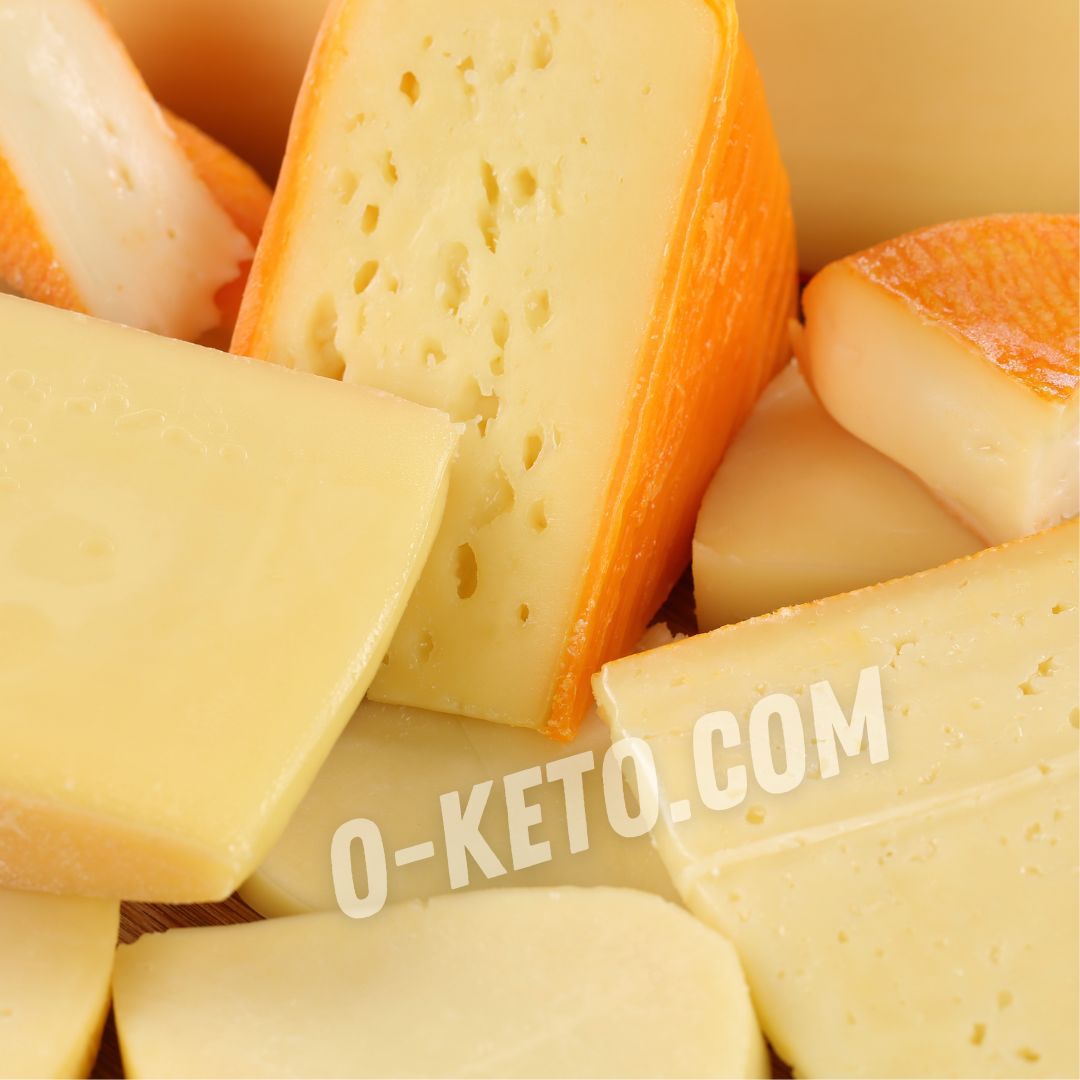
The daily norm of vitamin K2 can be obtained from 100-130 grams of Gouda, Edam, or Parmesan cheese. To get the same amount from Cheddar cheese, one would need to eat 600-900 grams, if anyone can manage that.
The easiest way to get vitamin K2 is from hard cheeses
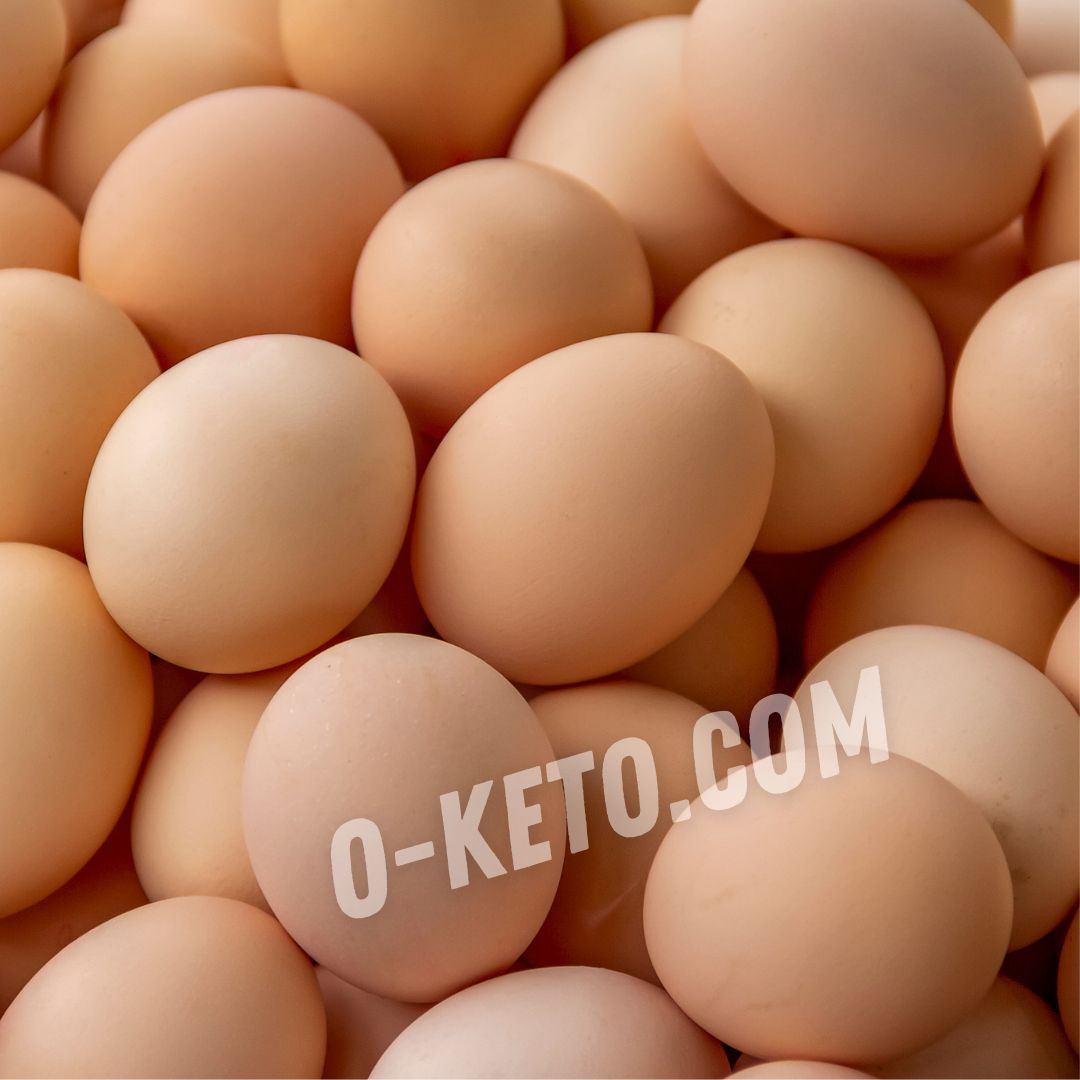
Speaking of eggs, one would have to eat 15-20 eggs.
15 eggs – the daily norm of K2
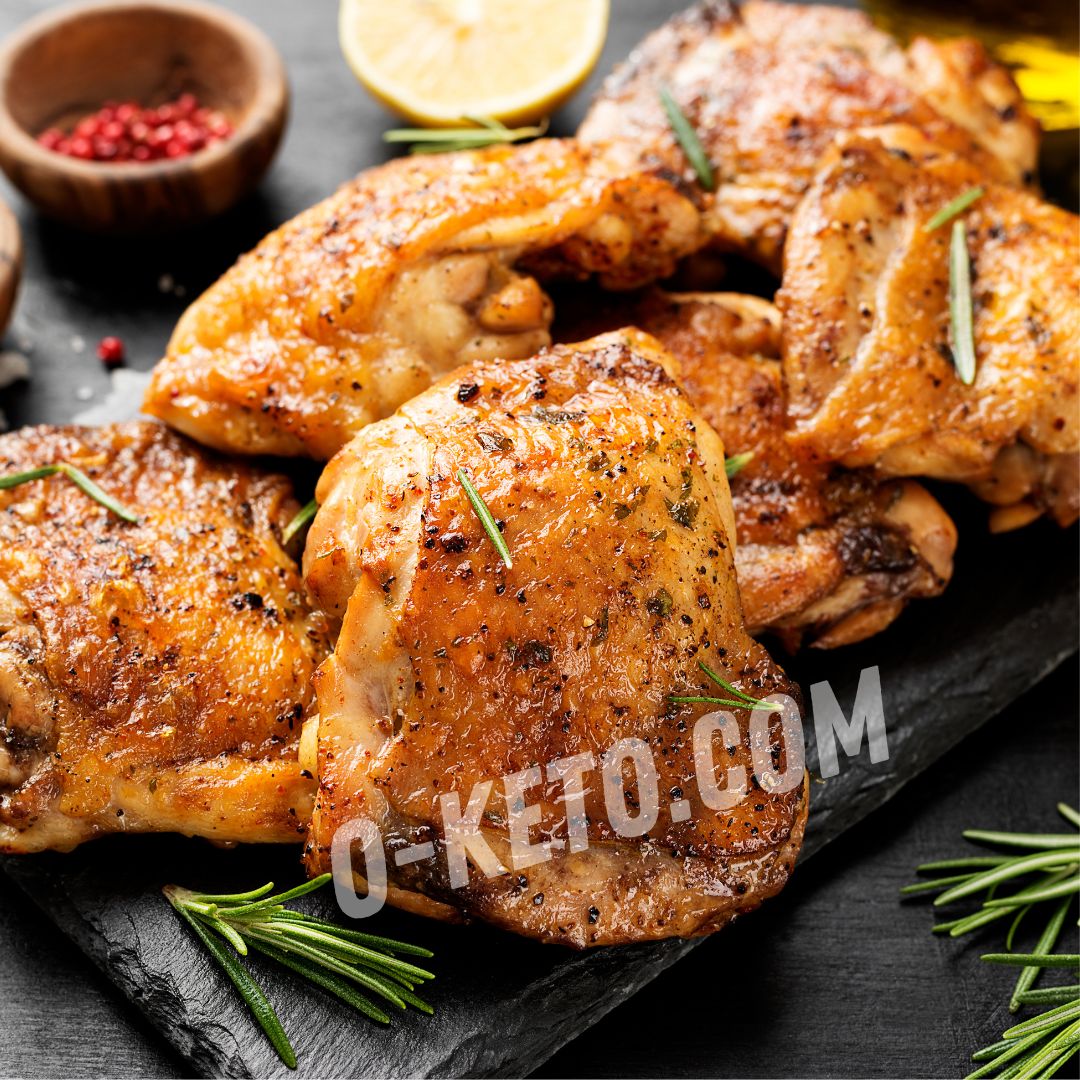
To obtain the daily norm from meat, one would need to consume 700-900 grams of chicken thighs or liver, or a kilogram of beef liver.
900 grams of chicken thighs – the daily norm of K2
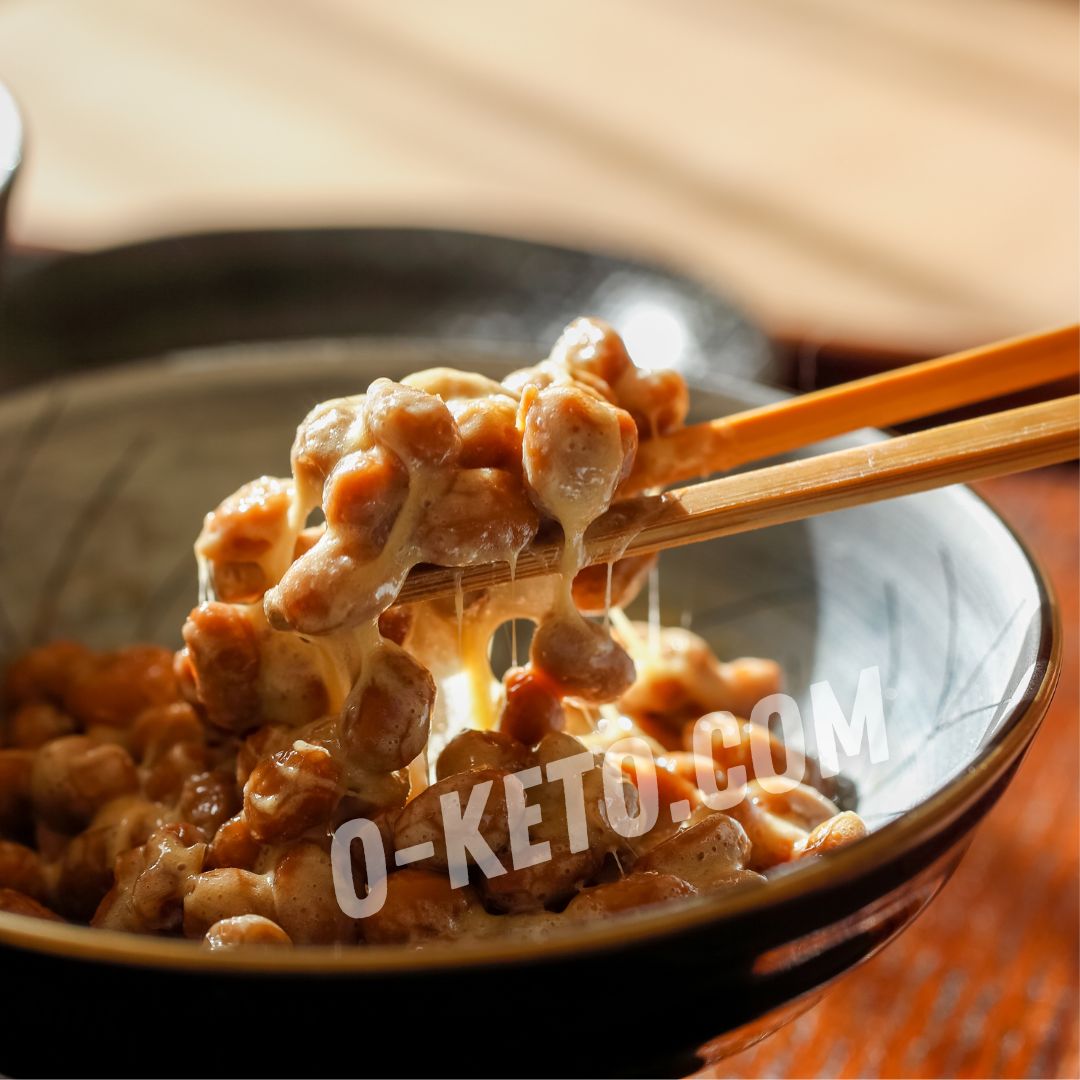
The only plant source with sufficient amounts of vitamin K2 is natto. A Japanese cuisine product made from fermented soybeans.
Natto – a plant source of vitamin K2
This is the richest product in vitamin K2. Natto can contain from 150% to 1000% of the daily norm of vitamin K2 per 100 grams of the product. But who besides the Japanese has even heard of it?
Although it is said that other fermented products, such as kimchi and tempeh, also contain vitamin K2, unfortunately, its content in them is usually insignificant.
There is a common belief that the human body can produce vitamin K2 on its own, so there is no need to worry about its intake. But unfortunately:
usually this vitamin is produced in limited amounts;
not in the forms that the body uses most effectively;
the production of the vitamin occurs mainly in the large intestine, where nutrient absorption does not occur as actively.
If you are taking vitamin D3, make sure that it also contains vitamin K2. Or that you are getting enough vitamin K2 from your food.
Both of these vitamins work synergistically. While vitamin D3 improves calcium absorption, vitamin K2 directs calcium to the bones and teeth.
Therefore, with a deficiency of vitamin K2, calcium will not be able to be transported properly and will deposit where it can: in the arteries. As a result, vascular calcification occurs. This, in turn, leads to atherosclerosis and strokes.
Any remaining questions? Ask chatGPT.:
If you have any questions по теме статьи "Vitamins K and K2: what is the difference, what are their benefits, and where to obtain them", you can ask them to AI. Please note, a low-cost OpenAI model is used. It may answer questions about disease treatment with errors!
Ask a question
List of videos from YouTube with product review "Vitamins K and K2: what is the difference, what are their benefits, and where to obtain them":
If you have any opinions or additions on this topic, you can leave a comment about the article. "Vitamins K and K2: what is the difference, what are their benefits, and where to obtain them":
Only verified information backed by research, physiology, and biochemistry about your health.
Why diseases occur, how to heal with proper nutrition, vitamins, and minerals, what therapeutic doses to take, and which diet is optimal for your health. What tests to take and how to interpret the results.
In the settings, you can also enable knowledge based on GNM and homeopathy.
We use cookies to ensure the best presentation of our website. If you continue to use the site, we will assume that you are satisfied with it.