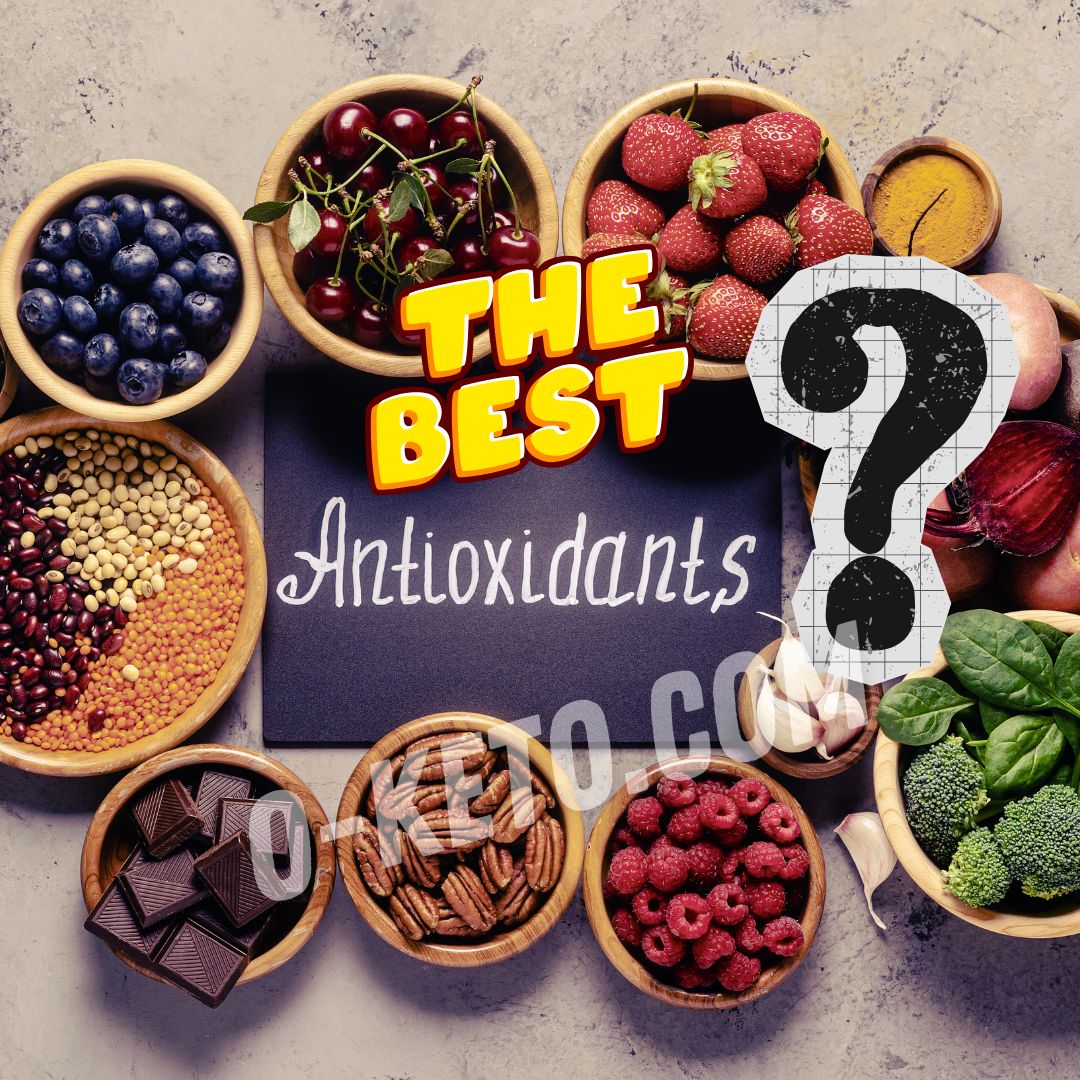
The ORAC antioxidant index allows us to assess the level of antioxidant activity of various products, regardless of the specific types of antioxidants they contain.
Thanks to this, we can choose the most beneficial products for our daily diet.
Each product is assigned a specific positive whole number that characterizes the amount of antioxidants in 100 grams of the product. The higher this number, the more antioxidants are in the product.
It is believed that to maintain the antioxidant protection of the body, it is necessary to consume at least 5000 ORAC units per day. This value suggests that the total amount of ORAC for all consumed products throughout the day should reach or exceed this threshold.
TOP products with the highest antioxidant index
The higher the ORAC index of a product, the less of that product you need to eat to reach the minimum of 5000 units per day.
The highest ORAC index, exceeding 100,000, is found in the following products:
All these products are spices or dietary supplements. Nevertheless, you can easily obtain 5000 ORAC units from them. To do this, it is enough to consume one of these products in the following amounts:
Thus, the easiest way to obtain 5000 ORAC is from spices such as sumac and cinnamon. However, it is also not difficult to obtain them from turmeric, moringa, and acai powder.
Even better is to combine these spices. After all, each of them has unique antioxidant and anti-inflammatory properties that are important on a keto diet.
Products with a high antioxidant index
The other spices, as well as some other products, have an index in the range from 40,000 to 100,000. This is also a very high level. Such products include:
To obtain 5,000 ORAC from these spices, you would have to consume at least 10 tsp. of the spice. This is already comparable to an unachievable mission.
Nuts and seeds. Many nuts and seeds also have a relatively high antioxidant index. Let’s look at the TOP-10 separately for nuts, seeds, and their derivatives:
If you have any questions по теме статьи "TOP antioxidant-rich foods based on the ORAC antioxidant index", you can ask them to AI. Please note, a low-cost OpenAI model is used. It may answer questions about disease treatment with errors!
Ask a question
List of videos from YouTube with product review "TOP antioxidant-rich foods based on the ORAC antioxidant index":
If you have any opinions or additions on this topic, you can leave a comment about the article. "TOP antioxidant-rich foods based on the ORAC antioxidant index":
The main idea of the keto diet is to significantly reduce carbohydrate intake and increase fat consumption, which puts the body into a state of ketosis.
However, to achieve and maintain ketosis, it is important to carefully choose food products.
Understanding which foods and in what quantities can be consumed on a keto diet is a key factor for successfully following this nutritional plan and gaining maximum health benefits.
In this article, we will examine the food groups that can and, in some cases, should be eaten on keto. We will also look at the main features of consuming proteins, fats, and carbohydrates in general.
Main Principles of Food Selection
The main focus should be on foods that are low in carbohydrates and high in healthy fats.
On the keto diet, you can consume the following categories of foods in virtually unlimited quantities:
Meat and Fish: choose fatty cuts of meat (beef, pork, lamb) and fish (salmon, mackerel).
Dairy Products: any dairy products except milk, low-fat products, and those containing added sugar: cheeses, butter, heavy cream, kefir, and sugar-free yogurts.
Fats and Oils: olive, coconut, avocado, and flaxseed oils.
In moderate amounts (100-200 grams per day), you can consume:
Nuts and Seeds: such as almonds, walnuts, chia seeds, and flaxseeds.
Berries: such as raspberries, strawberries, blueberries, blackberries, and gooseberries.
Protein Sources on the Keto Diet
On the keto diet, it is important to choose not only those protein sources that contain minimal carbohydrates but also those that contain a large amount of fats.
Essentially, the keto diet boils down to one rule – eat those foods that raise insulin levels in the body the least.
Insulin levels are raised by sugar, carbohydrates, and large amounts of protein without fats that restrain it.
Fats help to restrain and reduce the rise in insulin levels. That’s why fatty protein sources are preferred on keto.
When protein is consumed in large quantities without sufficient fat accompaniment, it can partially convert to glucose through the process of gluconeogenesis.
Meat Products: Excellent options include fatty meat, poultry, and fish. For example, beef, chicken, and salmon are not only rich in protein but also contain healthy fats necessary for maintaining ketosis.
Organ meats such as liver, hearts, and gizzards deserve special mention. They contain more nutrients than the meat products themselves.
However, the requirement for fat does not mean that chicken breast or low-fat fish varieties are prohibited on keto.
You can easily include low-fat products in your diet by adding extra fats during cooking. For example, by adding:
Eggs: In addition, eggs are a versatile and accessible source of protein that also contains healthy fats.
Dairy Products: You can also use cheeses and dairy products low in carbohydrates, such as hard cheeses and Greek yogurt.
Nuts and Seeds: Don’t forget about plant sources of protein such as nuts and seeds.
Almonds, walnuts, and chia seeds can be a great addition to dishes, providing not only protein but also healthy fats.
Vegetables and Greens Suitable for Keto
The main principle of counting carbohydrates on the keto diet is to account only for net carbohydrates.
Net Carbohydrates are the total amount of carbohydrates minus probiotics, prebiotics, and sugar alcohols. That is, only those carbohydrates that can affect blood glucose and insulin levels are counted.
Prebiotics serve as food for beneficial bacteria in the intestines. They are not digested or absorbed by the body, and therefore do not affect the number of calories and carbohydrates consumed.
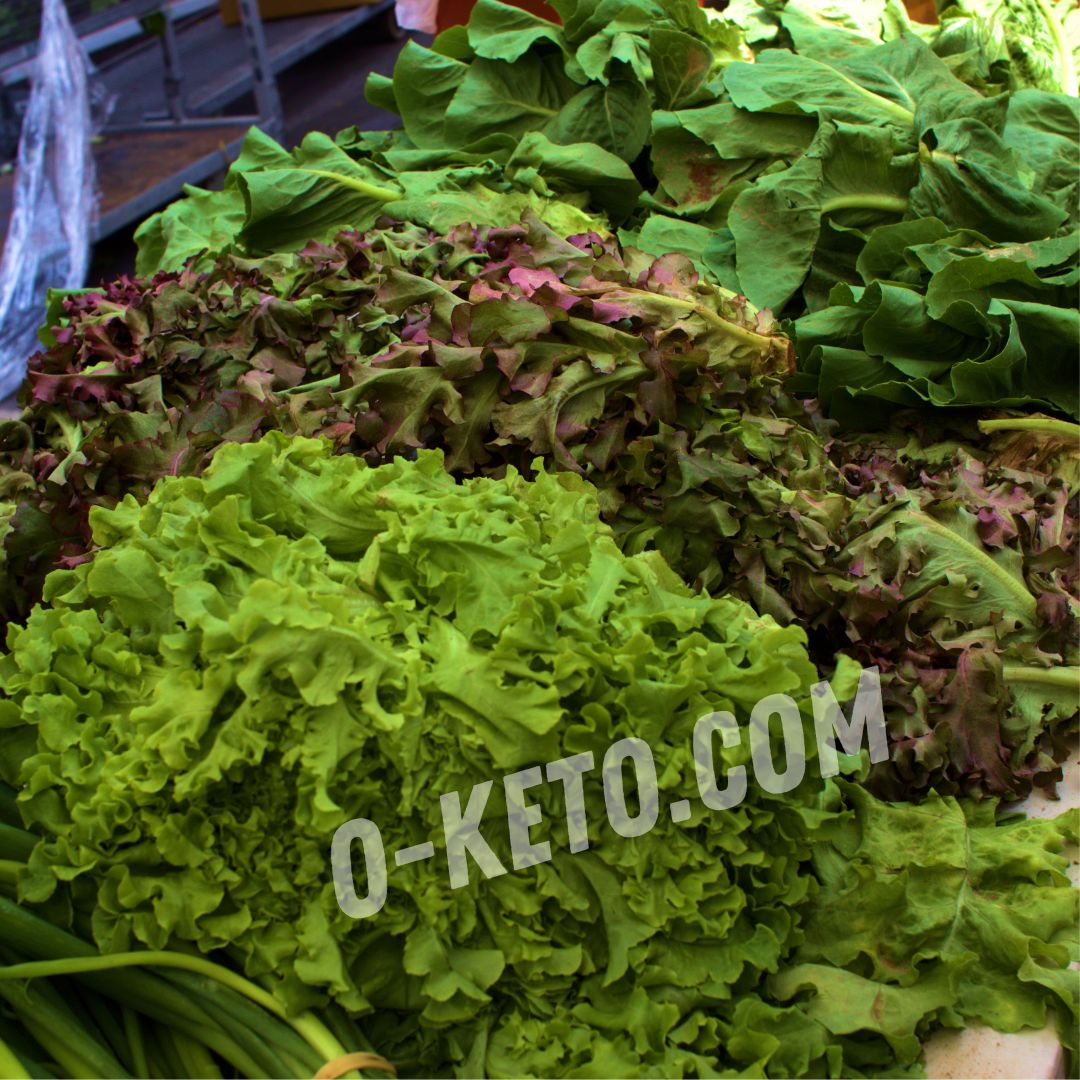
Greens: Virtually all greens contain a large amount of fiber and a small amount of other carbohydrates.
Therefore, on keto, it can be consumed in virtually unlimited quantities. You simply cannot eat so much greens that you exceed any carbohydrate limits.
Moreover, greens are not only permissible in large amounts on keto but are also highly recommended.
In general, any greens have anti-inflammatory properties and help to compensate for the effects that a large amount of saturated fats in food can have on the body.
Vegetables: As for vegetables, you can consume any non-starchy vegetables. Virtually all non-starchy vegetables contain a small amount of carbohydrates.
For example, cruciferous vegetables such as broccoli, cauliflower, and regular cabbage are perfect for the keto diet.
Some vegetables, like carrots, pumpkin, or onions, contain more carbohydrates than others, so they should be consumed in moderation.
Like greens, vegetables are highly recommended for consumption on the keto diet due to their anti-inflammatory properties.
Remember that greens and vegetables on keto should be consumed with healthy fats (such as olive oil, homemade mayonnaise, or fatty sauce). This not only helps to restrain insulin spikes but also aids in the absorption of fat-soluble vitamins.
Berries
Since berries contain a large amount of fiber that restrains carbohydrates from fructose, any berries that do not grow on trees are available on keto in moderate amounts.
Cherries, sweet cherries, and mulberries are considered berries, but their consumption is better limited.
100-150 grams of berries are quite permissible for daily consumption.
Berries can be eaten after the main meal as a dessert. This way, there will already be a cushion of fatty food in the stomach that will reduce the possible insulin spike.
Examples of berries include raspberries, blueberries, blackberries, and strawberries.
Fruits on the Keto Diet
Only a small number of fruits are available on the keto diet. But even these fruits are available in small amounts.
For example, you can eat no more than one apple a day.
Fruits contain fructose, which acts similarly to sugar. Moreover, while sugar affects the entire body, fructose strikes the liver specifically. Regularly consuming fruits in large amounts can lead to non-alcoholic fatty liver disease, which can be a cause of liver cirrhosis.
There are exceptions to the fruit limitations: you can eat lemons and limes in large amounts, if you wish.
Coconut is also a fruit. You can consume coconut meat. As for coconut water, it is available in moderate amounts.
The only fruit you can eat in unlimited quantities on keto is the avocado.
Sources of Fats on Keto
In addition to choosing foods high in fats, keto also pays attention to the quality of these fats.
Trans Fats: First and foremost, it is recommended to completely eliminate trans fats, processed fats, and hydrogenated oils from the diet, as they are associated with an increased risk of cardiovascular diseases and inflammatory processes in the body.
Sausages, hot dogs, dumplings, margarine, store-bought mayonnaise, fast food, store-bought baked goods, and any convenience foods generally contain trans fats. They can also be found in products containing hydrogenated oils.
Ideally, you should buy meat and cook it yourself.
Products Containing Omega-6 Fats are necessary for the body. However, high consumption of Omega-6 fat-rich products leads to inflammatory processes in the body due to an imbalance between Omega-3 and Omega-6.
It is therefore recommended to reduce the intake of products rich in Omega-6 or increase the intake of Omega-3 rich products.
It is worth noting that Omega-6 fats undergo oxidation and form harmful free radicals during heat treatment. Oxidized fats can cause inflammatory processes in the body.
Monounsaturated Fats: This type of fat is considered healthy, and its consumption is recommended not only on the Mediterranean diet but also on the keto diet.
They help to lower “bad” cholesterol (LDL) and maintain “good” cholesterol (HDL) levels.
Examples of foods rich in monounsaturated fats include olive oil, avocado, and its oil, almonds, and macadamia nuts.
More examples of products containing various types of fats can be found in the additional articles attached below.
Omega-3 Fats are the ideal type of fats for keto, as they have strong anti-inflammatory properties and support brain and heart health.
These fats are abundant in any seafood, including seaweed, shrimp, mussels, and any types of fish (such as salmon, mackerel, and sardines).
From plant sources, flaxseeds, walnuts, chia seeds, and perilla oil are rich in Omega-3.
Saturated Fats on the keto diet are not considered harmful, especially if they come from quality sources such as butter, ghee, coconut oil, and fatty meat.
On the keto diet, saturated fats are used by the body for energy in the process of ketosis, and when consumed in moderation, they can be part of a healthy diet.
Sugar Substitutes
Sugar is completely banned on the keto diet. However, you can replace it with available sugar substitutes that can be consumed in unlimited amounts.
However, it should be noted that consuming any sugar substitutes in large amounts can lead to stomach upset (diarrhea).
Such sweeteners include erythritol, stevia, and monk fruit. These types of sugar substitutes are not absorbed by the body at all.
There are many other sugar substitutes that can be used on keto, such as sucralose and allulose. However, they may affect insulin levels or cause other side effects. Therefore, it is better to avoid or consume other sugar substitutes in small amounts.
What You Can Drink on Keto
But not only food is important for adhering to the keto diet. Even if you perfectly follow the foods listed above, all your efforts can be wasted, for example, due to one glass of juice.
However, there is a wide variety of drinks available on keto, as long as they are free from sugar, honey, and fructose.
Naturally, you can consume any water without restrictions, including mineral, sparkling, sodium, magnesium, and so on.
If you have any questions по теме статьи "What foods can you eat on a keto diet?", you can ask them to AI. Please note, a low-cost OpenAI model is used. It may answer questions about disease treatment with errors!
Ask a question
List of videos from YouTube with product review "What foods can you eat on a keto diet?":
If you have any opinions or additions on this topic, you can leave a comment about the article. "What foods can you eat on a keto diet?":
The start of a keto diet may be accompanied by unpleasant symptoms known as keto flu.
This condition often causes newcomers to feel fatigued, experience headaches, and become irritable. But there’s no need to panic, as these symptoms are temporary and usually subside within a few days.
In this article, we will discuss the steps that can help you cope with keto flu and continue your journey towards a healthy lifestyle.
Causes of Keto Flu: What Happens in the Body?
Keto flu occurs due to a sharp reduction in carbohydrate intake, leading to changes in metabolism.
When the body begins to use fats instead of carbohydrates as its primary energy source, an adaptation occurs, accompanied by unpleasant symptoms.
Decreased glycogen levels. When you sharply reduce carbohydrate intake, glycogen stores (the form of glucose storage in the liver and muscles) get depleted quickly.
Glycogen is associated with water, and its loss results in rapid fluid loss.
This can cause dehydration, headaches, and muscle cramps, which are often perceived as symptoms of keto flu.
Decreased insulin levels. With reduced carbohydrate intake, insulin production decreases.
While this is a desired effect of the keto diet, a sharp drop in insulin leads to increased sodium and water loss through the kidneys, which can cause electrolyte imbalance.
This further exacerbates keto flu symptoms such as dizziness and weakness.
Decreased serotonin levels. Carbohydrates are involved in synthesizing serotonin, the “happiness hormone.”
A sharp decrease in carbohydrates may lower serotonin levels, potentially leading to temporary mood deterioration or even depression.
Hormonal changes. Adapting to new energy metabolism conditions can cause temporary hormonal disruptions.
Decreased availability of quick energy sources. Carbohydrates are a simpler source of energy than fats. When the body transitions to using fats as fuel, it takes time to enter a state of ketosis.
During this period, cells experience an energy deficit, which can cause fatigue, slow reaction times, and decreased endurance.
At the beginning of the keto diet, ketone levels (alternative energy sources) are not yet stable. The body does not immediately produce enough ketones, leading to insufficient energy supply for tissues.
Maintaining Water and Electrolyte Balance
Electrolytes play a crucial role in cellular energy production (ATP).
Without sufficient sodium, potassium, and magnesium, cells may struggle to produce energy, leading to feelings of fatigue.
Maintaining water and electrolyte balance is a key aspect of overcoming keto flu.
When transitioning to a keto diet, the body loses more water and electrolytes, which can cause unpleasant symptoms.
To avoid this, include in your diet:
Salt supplements: use Himalayan or sea salt to restore sodium;
Magnesium-rich foods, such as avocados, nuts, and seeds;
Potassium-rich foods, such as avocados, parsley, spinach, and other greens;
Also, remember to drink enough water to avoid dehydration.
This will significantly help reduce the symptoms of keto flu and alleviate fatigue and headaches.
Physical Activity
Physical activity plays a key role in helping the body adapt to the keto diet and minimizing the symptoms of keto flu.
During keto flu, it is important to choose moderate exercises such as walking, yoga, or light cardio workouts.
This will help maintain energy levels and improve circulation.
During keto flu, the body may lack energy, so heavy workouts can worsen well-being and increase fatigue.
Once the body adapts to the new energy source, you can gradually increase the intensity of workouts. Strength training and intense cardio workouts will become more effective as the body becomes better at using fats as fuel.
Moderate activity, on the other hand, helps reduce stress levels and improve overall well-being.
Additionally, physical activity promotes the activation of fat metabolism, which is important for speeding up the adaptation process to using fats as the primary energy source.
Rest
During the adaptation period to the keto diet, the body requires time to recover and transition into ketosis.
Sleep plays a key role here, as the body restores its strength, reduces stress levels, and regulates hormonal processes during sleep.
Lack of sleep can increase cortisol levels (the stress hormone), which can exacerbate the symptoms of keto flu.
High cortisol levels can hinder the transition into ketosis and worsen unpleasant symptoms such as irritability and anxiety.
Try to sleep at least 7-8 hours a day and avoid stressful situations.
Relaxation and meditation can help improve sleep quality and lower cortisol levels, positively impacting your well-being.
Supplements
Supplements can significantly alleviate the symptoms of keto flu and speed up the body’s adaptation to ketosis.
Here are some key supplements to consider.
Electrolytes. Since the body loses more water and electrolytes on a keto diet due to reduced insulin levels, replenishing sodium, potassium, magnesium, and calcium becomes important.
Special electrolyte mixes or supplements with sodium and potassium can help maintain normal water-salt balance, prevent dehydration, cramps, and fatigue.
Magnesium. Magnesium plays a key role in muscle function, the nervous system, and energy metabolism. Many experience a deficiency of it on a keto diet, which can cause muscle cramps and weakness.
Magnesium supplements (e.g., magnesium citrate, magnesium glycinate) can help relieve cramps, improve sleep, and reduce fatigue.
Potassium. Potassium helps regulate blood pressure, muscle function, and supports the cardiovascular system. A deficiency of potassium can cause weakness, fatigue, and cramps.
Potassium supplements, such as potassium tartrate, can prevent deficiency.
Sodium. Sodium is lost through sweating and frequent urination. A sodium deficiency can lead to headaches, weakness, and dizziness.
Adding more salt than usual to food or taking salt solutions can help replenish sodium losses.
On a keto diet, this can be especially important for reducing overall inflammation and maintaining energy levels.
Vitamin D. It is important to maintain vitamin D levels on a keto diet, as it helps with calcium absorption and supports bone and immune system health.
This is especially relevant for people who do not get enough sunlight.
MCT oil. MCTs (medium-chain triglycerides) can help speed up the ketosis process and provide a quick source of energy.
MCT acids are quickly converted into ketones and can be useful for maintaining energy in the early stages of the keto diet.
Any remaining questions? Ask chatGPT.:
If you have any questions по теме статьи "How to get out of keto flu?", you can ask them to AI. Please note, a low-cost OpenAI model is used. It may answer questions about disease treatment with errors!
Ask a question
List of videos from YouTube with product review "How to get out of keto flu?":
If you have any opinions or additions on this topic, you can leave a comment about the article. "How to get out of keto flu?":
The term “vitamin K” refers to two completely different vitamins: K1 and K2.
They differ significantly from each other both in the products in which they are found and in their effects on the human body. Because of this, many beneficial properties of vitamin K2 are attributed to vitamin K, which does not possess them at all.
Let’s figure out what vitamin K is actually needed for and in which products it is found. And what exactly is this vitamin K2 that everyone forgets about.
Vitamin K1 or simply K
The main purpose of vitamin K is to maintain blood clotting. It is necessary for the synthesis of several proteins required for the formation of a clot that stops bleeding.
Therefore, a deficiency of vitamin K increases the risk of bleeding.
Sources of vitamin K
The only sources of vitamin K are any greens and, to a lesser extent, some vegetables.
Vitamin K is present in any greens
A huge amount of vitamin K is found in parsley – just 8 grams of parsley contains the daily norm of vitamin K.
Parsley contains the most vitamin K
All other greens contain 4-5 times less vitamin K.
This means that to get the daily norm of this vitamin, it is enough to eat 8 grams of parsley or 40 grams of any other greens.
Absorption of vitamin K
But there is one caveat. Vitamin K is a fat-soluble vitamin. Therefore, any greens should be eaten with fats. For example, in the form of a salad with fetacheese or dressed with olive oil.
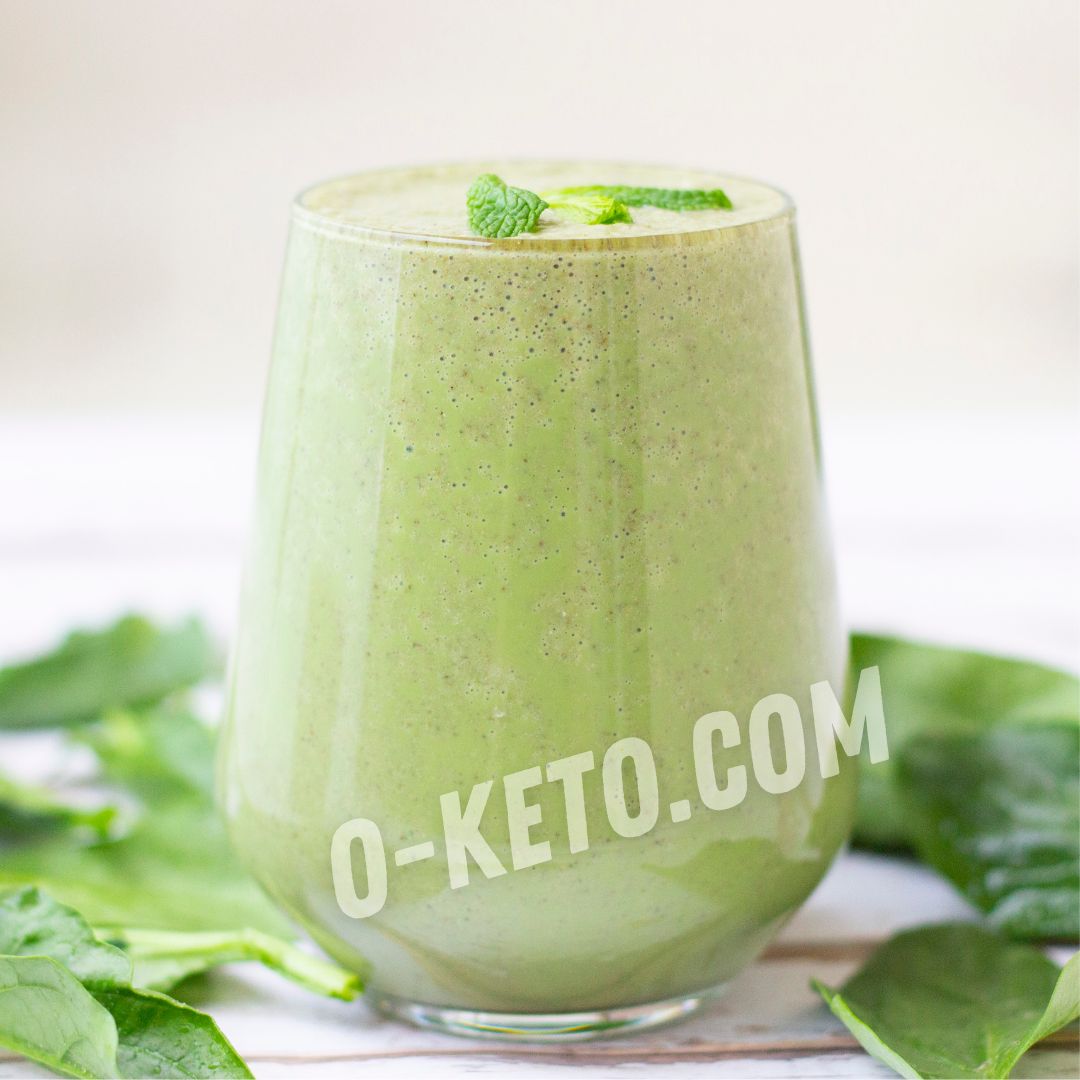
If you simply make a smoothie from greens based on water and without fats, the absorption of vitamin K will decrease by 5 times. And to obtain the daily norm of this vitamin, 200 grams of greens will be required.
Vitamin K is absorbed 5 times worse from a fat-free smoothie
Deficiency of vitamin K
Thus, any low-fat diets can lead to a deficiency of vitamin K.
Also, a deficiency of this vitamin may occur in newborns, alcoholics, and in various liver diseases.
Vitamin K2 – a completely different vitamin
Vitamin K2 is even more important for the body. It is responsible for the proper absorption and transport of calcium. Its deficiency can lead to the formation of calcium deposits, which, in turn, can cause atherosclerosis and strokes.
In addition, regularly obtaining the daily norm of vitamin K2 reduces the risk of osteoporosis, certain types of cancer, and supports the health of teeth, gums, and skin elasticity.
Sources of vitamin K2
If vitamin K is found only in plant products, then the sources of vitamin K2 are hard cheeses, eggs, and to a lesser extent, meat products.
The daily norm of vitamin K2 can be obtained from 100-130 grams of Gouda, Edam, or Parmesan cheese. To get the same amount from Cheddar cheese, one would need to eat 600-900 grams, if anyone can manage that.
The easiest way to get vitamin K2 is from hard cheeses
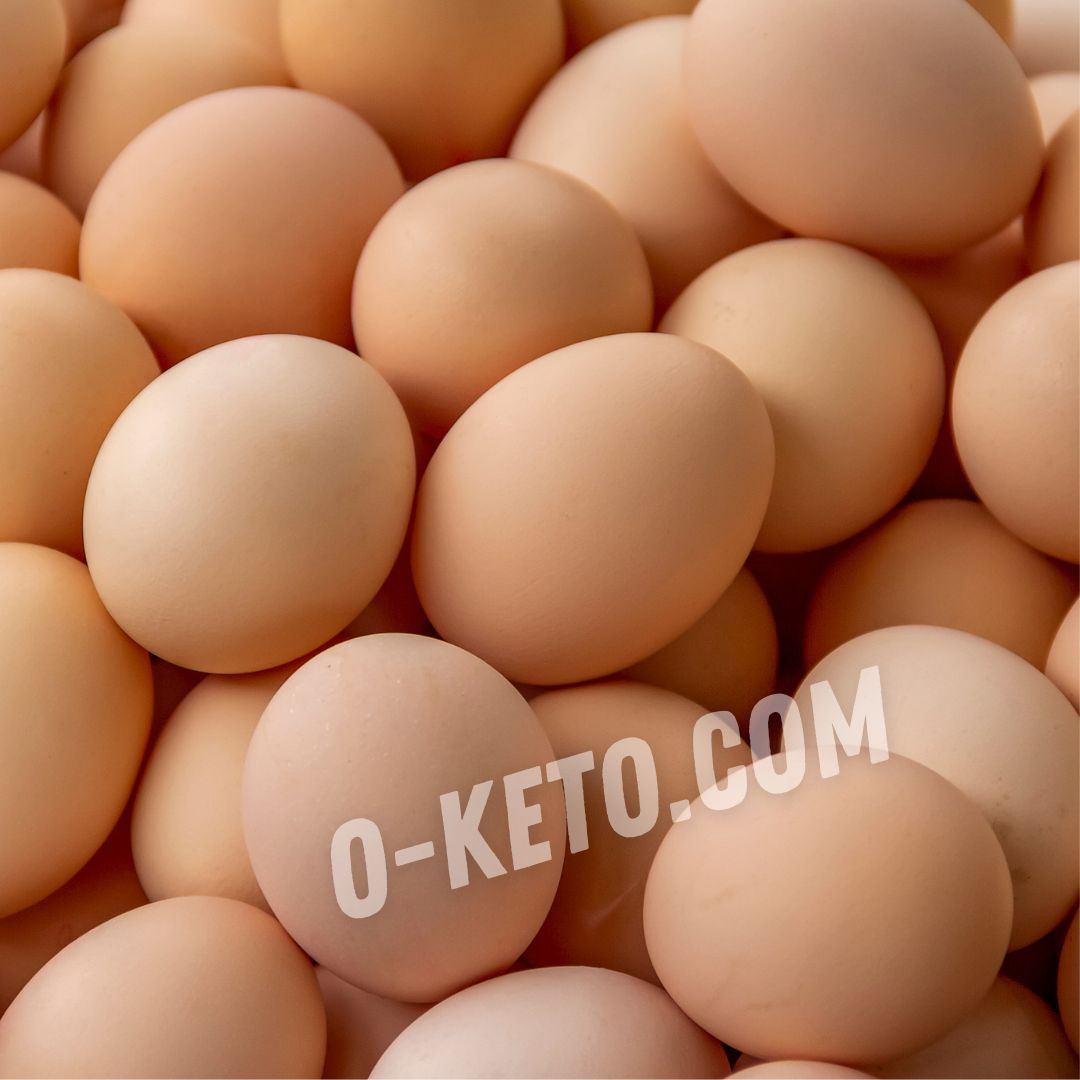
Speaking of eggs, one would have to eat 15-20 eggs.
15 eggs – the daily norm of K2
To obtain the daily norm from meat, one would need to consume 700-900 grams of chicken thighs or liver, or a kilogram of beef liver.
900 grams of chicken thighs – the daily norm of K2
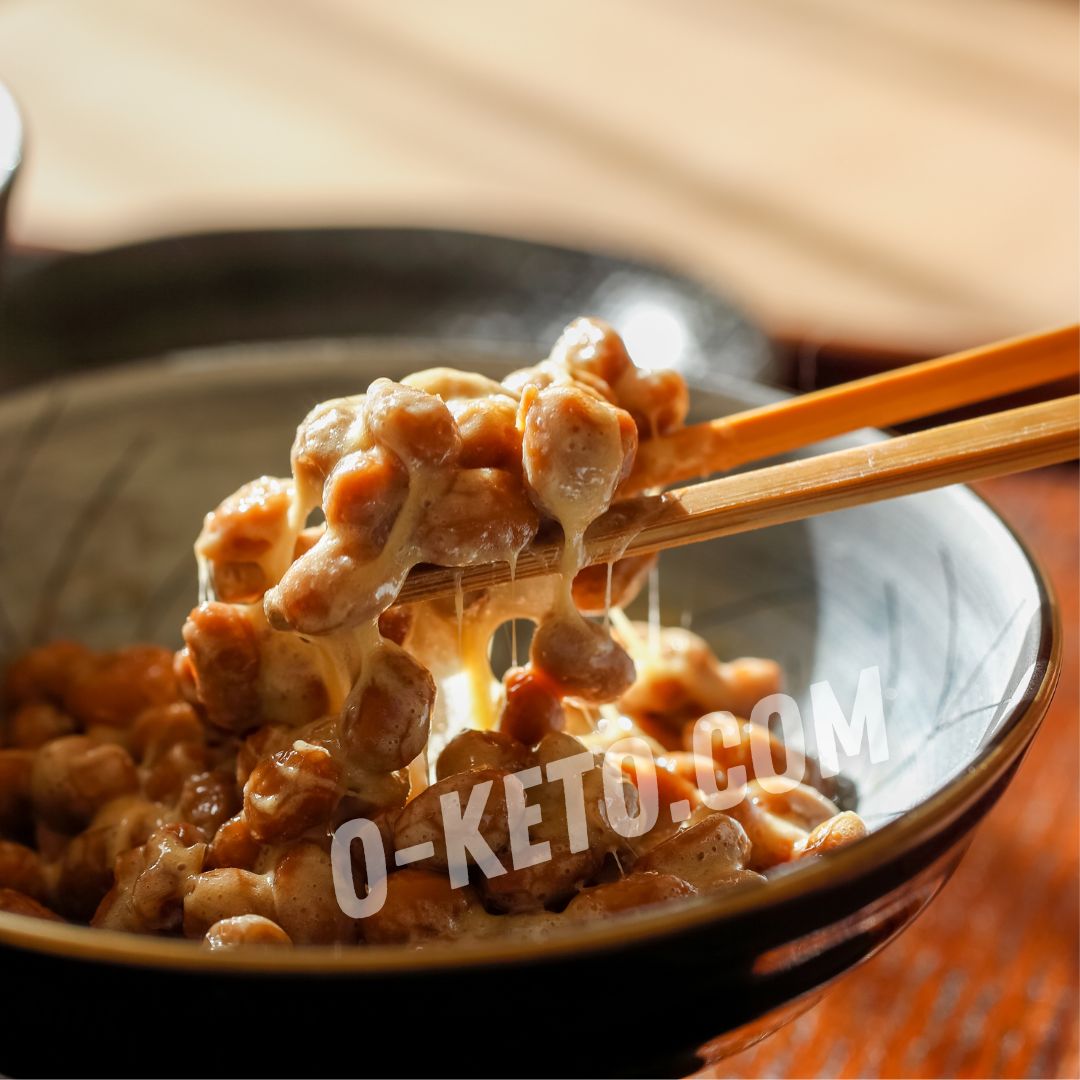
The only plant source with sufficient amounts of vitamin K2 is natto. A Japanese cuisine product made from fermented soybeans.
Natto – a plant source of vitamin K2
This is the richest product in vitamin K2. Natto can contain from 150% to 1000% of the daily norm of vitamin K2 per 100 grams of the product. But who besides the Japanese has even heard of it?
Although it is said that other fermented products, such as kimchi and tempeh, also contain vitamin K2, unfortunately, its content in them is usually insignificant.
There is a common belief that the human body can produce vitamin K2 on its own, so there is no need to worry about its intake. But unfortunately:
usually this vitamin is produced in limited amounts;
not in the forms that the body uses most effectively;
the production of the vitamin occurs mainly in the large intestine, where nutrient absorption does not occur as actively.
If you are taking vitamin D3, make sure that it also contains vitamin K2. Or that you are getting enough vitamin K2 from your food.
Both of these vitamins work synergistically. While vitamin D3 improves calcium absorption, vitamin K2 directs calcium to the bones and teeth.
Therefore, with a deficiency of vitamin K2, calcium will not be able to be transported properly and will deposit where it can: in the arteries. As a result, vascular calcification occurs. This, in turn, leads to atherosclerosis and strokes.
Any remaining questions? Ask chatGPT.:
If you have any questions по теме статьи "Vitamins K and K2: what is the difference, what are their benefits, and where to obtain them", you can ask them to AI. Please note, a low-cost OpenAI model is used. It may answer questions about disease treatment with errors!
Ask a question
List of videos from YouTube with product review "Vitamins K and K2: what is the difference, what are their benefits, and where to obtain them":
If you have any opinions or additions on this topic, you can leave a comment about the article. "Vitamins K and K2: what is the difference, what are their benefits, and where to obtain them":
The keto diet has become popular due to its benefits for weight loss and health improvement. However, the question arises: how effectively can one train on such a diet?
In this article, we will explore how the keto diet affects athletic performance and what to consider when following it to achieve optimal results.
Benefits for Athletes
The keto diet can significantly improve the endurance of athletes by using fats as the primary energy source. This allows for maintaining energy levels during long training sessions and competitions.
Reduction of inflammation is also an important benefit.
Consuming fewer carbohydrates helps reduce inflammatory processes in the body, which contributes to faster recovery after intense physical exertion and lowers the risk of injuries.
Additionally, the keto diet promotes improved concentration and cognitive functions, which is especially important for athletes requiring high mental focus and coordination.
Impact on Endurance and Strength Indicators
During the adaptation period of the body to ketosis, many athletes report a decrease in endurance and overall energy (keto flu, characterized by weakness, fatigue, and reduced physical performance).
This is related to the sharp decline in glycogen levels in the muscles, which was previously the main source of energy.
However, after complete adaptation, which can take several weeks, many athletes notice improvement and even an increase in endurance and energy stability.
This is due to a more consistent energy supply from fats, allowing for prolonged high physical activity.
Although the keto diet may contribute to improved endurance, certain challenges may arise for strength training.
Glycogen is the primary fuel for anaerobic activities, such as weightlifting. Therefore, some athletes report a decrease in maximum strength or recovery speed in the early stages of the keto diet.
In such cases, a targeted keto diet (TKD) may help, where a small amount of carbohydrates is consumed before or after workouts to replenish glycogen in the muscles.
Nutrition Recommendations
To successfully adapt the body to sports training on a keto diet, it is recommended to increase the intake of electrolytes such as sodium, potassium, and magnesium, as well as to drink more water.
A deficiency of sodium, potassium, and magnesium can lead to muscle cramps, fatigue, and reduced athletic performance.
It is also important to increase the intake of fats and proteins to maintain energy levels and muscle recovery.
On a keto diet, the level of carnitine—a substance involved in transporting fatty acids into mitochondria for use as energy—can be particularly important. Carnitine helps optimize the use of fats as an energy source, which can improve athletic performance and speed up recovery after workouts.
Adapting to the keto diet can take time. Therefore, start with low-intensity workouts and gradually increase the load as the body adjusts to the new metabolic state.
Any remaining questions? Ask chatGPT.:
If you have any questions по теме статьи "How does the keto diet affect athletic performance?", you can ask them to AI. Please note, a low-cost OpenAI model is used. It may answer questions about disease treatment with errors!
Ask a question
List of videos from YouTube with product review "How does the keto diet affect athletic performance?":
If you have any opinions or additions on this topic, you can leave a comment about the article. "How does the keto diet affect athletic performance?":
Despite numerous advantages, the keto diet can pose certain challenges and side effects, such as electrolyte deficiency, reduced energy levels, and inadequate intake of essential vitamins and minerals.
In addition to keto-specific supplements, attention should also be paid to supplements that are necessary for any individual, regardless of their dietary style.
In this article, we will explore all these supplements, why they are needed, whether they should be taken, and why.
When on a keto diet, it is important to pay special attention to maintaining electrolyte balance in the body.
Key electrolytes such as sodium, potassium, and magnesium play a crucial role in maintaining hydration, and the functioning of the nervous system and muscles.
On a keto diet, the body loses more water and electrolytes, which can lead to unpleasant symptoms such as headaches, fatigue, and muscle cramps.
Maintaining electrolyte balance will help you avoid keto flu and other unpleasant symptoms, ensuring a comfortable and effective adherence to the keto diet.
Therefore, it is recommended to check how many nutrients you are getting from food and, if necessary, supplement these nutrients with supplements.
You can check the number of nutrients you are getting from food using the “Menu” feature on our website. Add to the menu all the products and dishes you have eaten throughout the day, and you will be able to see how many nutrients you received and how much this is from the recommended daily norm.
Sodium. To obtain enough sodium, increase your salt intake by adding it to dishes or consuming salty broths.
On a keto diet, the need for salt is higher. The recommended amount of sodium on a keto diet is 2-4 grams per day, which is equivalent to approximately 5-10 grams of table salt (1 teaspoon of salt contains about 2.3 grams of sodium).
Potassium. It is most difficult to obtain potassium from food. 99.9% of people do not get enough from food. To get the daily norm of potassium, one would need to eat 300 grams of pistachios, 200 grams of cocoa powder, or 600 grams of parsley.
Therefore, it is recommended for everyone to take potassium supplements. This can be:
cream of tartar: 1 teaspoon contains about 2000-3200 mg of potassium, which is comparable to the daily norm; it can be mixed with water or added to smoothies;
powdered potassium citrate from the pharmacy.
Do not exceed the dosage. Excess potassium can lead to hyperkalemia, which can be dangerous, especially if there are kidney problems.
Magnesium. It is much easier to obtain the daily norm of magnesium than potassium. For example, from nuts and seeds (65 grams of pumpkin seeds or 150 grams of almonds).
If it is not possible to get the daily norm from food, supplements can help:
Magnesium citrate. One of the most common forms of magnesium in supplements, well-absorbed and effective for constipation.
Magnesium glycinate. This form is also well-absorbed and has a mild sedative effect, making it a good choice for taking before sleep.
Magnesium malate. Often used to boost energy levels, as malate is involved in energy production.
The recommended dose is 200-400 mg per day.
Magnesium is best taken before sleep, as it has a calming effect.
If you are taking magnesium water, note that it is a laxative.
Taking magnesium with food can improve its absorption and reduce the risk of gastrointestinal disorders.
MCT oil (medium-chain triglyceride oil) is a popular supplement among keto diet followers.
Thanks to its structure, it is rapidly absorbed and converted into ketones, which serve as an instant energy source for the body.
The main advantages of MCT oil are its ability to maintain ketone levels in the blood, which contributes to improved cognitive functions and increased physical endurance.
Additionally, MCT oil can aid in appetite control and maintaining a healthy weight.
Using MCT oil is particularly beneficial in the morning when the body requires quick energy.
MCT oil can be added to coffee, creating “bulletproof” coffee.
“Bulletproof Coffee” is a special drink created by Dave Asprey. It is a mixture of black coffee, unsalted butter (or ghee), and MCT oil.
Another advantage of MCT oil is that 1-2 teaspoons of this oil can be used during fasting, on intermittent fasting. This way, you can add a boost of energy and also eliminate hunger without compromising the work of growth hormone.
Ketone bodies allow you to accelerate the process of entering a state of ketosis. They can be introduced into the diet in the form of exogenous ketones, which help the body transition to using fats as an energy source more quickly.
Exogenous ketones are available in various forms, such as salts and esters. They can significantly reduce the time needed to achieve ketosis, especially after dietary disruptions or in the initial phase of adaptation.
The benefits of exogenous ketones include:
Accelerated transition into a state of ketosis
Increased energy levels
Support for mental clarity and concentration
It is important to remember that exogenous ketones should be used in conjunction with a proper keto diet for the best results.
Vitamin D deficiency is widespread, especially in regions with limited sunlight, and can lead to weakened immunity, fatigue, and bone problems.
Why is vitamin D needed:
Bones and teeth. Vitamin D helps the body absorb calcium, which is important for maintaining bone density and preventing osteoporosis.
Immunity. It plays a key role in supporting the immune system, helping the body fight infections and inflammation.
Mood and energy. Vitamin D is associated with mood regulation, and its deficiency can contribute to depression and chronic fatigue.
The recommended dose of vitamin D may vary depending on its levels in the body. It is generally recommended to take 1000-4000 IU (international units) per day, but the exact dosage is best determined by blood test results.
To obtain this amount of vitamin D, one would need to consume 500 grams of fish daily or 100 grams of cod liver.
If you do not consume such amounts of seafood, it is better to use supplements from your nearest pharmacy to get vitamin D.
Fish oil is a source of omega-3 fatty acids, such as EPA and DHA, which are important for heart, brain, and joint health.
On a keto diet, where the focus is on fat consumption, it is important to monitor the ratio of omega-3 to omega-6 fatty acids, and fish oil can help balance this ratio.
Why is fish oil needed:
Cardiovascular system. Omega-3 fatty acids help lower triglyceride levels in the blood, reduce inflammation, and support heart health.
Brain function. DHA is important for maintaining cognitive functions, improving memory and concentration.
Inflammation. Omega-3 has anti-inflammatory properties, which is especially important in chronic inflammatory diseases.
Blood thinning with oxygen. Fish oil helps thin the blood, reducing the risk of blood clots, and increases energy and performance during workouts. This is because omega-3 fatty acids reduce platelet aggregation, thus preventing them from sticking together and forming blood clots. Improved blood flow allows for more efficient oxygen delivery to tissues, which is beneficial for the heart and other organs.
Taking fish oil supplements:
It is recommended to take 1000-3000 mg of fish oil per day, depending on the body’s needs and dietary quality.
It is best to choose fish oil with high levels of EPA and DHA to maximize benefits.
Cod Liver Oil: Omega-3, Vitamins A and D in One Product
Codliver oil is a unique product that combines vitamins A and D, as well as omega-3 fatty acids. This makes it particularly valuable for maintaining health on a keto diet, where it is important to obtain sufficient fats and fat-soluble vitamins.
Why is cod liver oil needed:
Vision and immunity. Vitamin A, found in cod liver oil, is important for maintaining eye health and the immune system.
Bone health. The vitamin D in the oil helps maintain strong bones and teeth.
All points related to fish oil. Since cod liver oil is rich in omega-3, it provides the same benefits as fish oil.
Taking cod liver oil:
It is recommended to take 1-2 teaspoons of cod liver oil per day, providing you with essential vitamins A and D, as well as omega-3 fatty acids.
Pay attention to the quality of the product: it is best to choose oil from reliable sources with minimal contamination.
Apple cider vinegar is a natural remedy that helps improve digestion, supports blood sugar levels, and may aid in weight loss.
It is often used on a keto diet to enhance metabolic efficiency and maintain gut health.
Attention, apple cider vinegar should not be taken if you have a stomach ulcer. You must first heal the ulcer using cabbage juice.
Cabbage contains vitamin U (S-methylmethionine), which helps heal ulcerative lesions of the stomach lining.
Why is apple cider vinegar needed:
Digestion. Apple cider vinegar stimulates the production of gastric juice, improving the digestion of food and nutrient absorption.
Blood sugar levels. It helps stabilize blood sugar levels after meals, which is especially important on a keto diet for maintaining stable energy levels.
Support for weight loss. Apple cider vinegar may help reduce appetite and accelerate metabolism.
Increasing acidity in the stomach. The main benefit of apple cider vinegar lies in reducing the pH level in your stomach. This significantly increases the number of minerals that the body can absorb from food, especially iron, calcium, and magnesium.
One of the signs of a too high pH in the stomach is a reluctance to eat meat products.
If the pH in the stomach is not sufficiently high, the body will not be able to digest meat. Pepsin – an enzyme that breaks down proteins, including those from meat – will not be able to activate. But the worst thing is the inability to obtain minerals from any food.
If a child refuses meat, it may be related to stomach acidity issues. Try adding a small amount of apple cider vinegar to their diet (for example, mixing it with water before meals) and see if their appetite and desire to eat meat improve.
Relief from heartburn. Apple cider vinegar may also help if you have heartburn. Treating heartburn with baking soda is fundamentally the wrong approach. It is necessary to do the opposite – increase acidity in the stomach with apple cider vinegar.
Heartburn often occurs not from excess acid but rather from insufficient stomach acidity.
With low acidity, the sphincter between the stomach and esophagus may not close completely, allowing stomach contents to enter the esophagus and cause burning.
Apple cider vinegar improves stomach acidity, which helps normalize the function of the lower esophageal sphincter, preventing reflux and closing the esophageal sphincter. After that, heartburn goes away.
Taking apple cider vinegar: it is recommended to take 1 tablespoon of apple cider vinegar diluted in a glass of water before meals or in the morning on an empty stomach.
If you are just starting to take apple cider vinegar, it is better to start with a teaspoon.
This will help improve digestion and support blood sugar levels.
It is best to choose organic, unfiltered apple cider vinegar to gain maximum benefits.
Iodine is a vital trace element necessary for the normal functioning of the thyroid gland, which regulates metabolism and influences energy levels in the body.
Modern individuals rarely consume sufficient amounts of iodine-rich foods. Few people eat 100 grams of mussels, 150 grams of seaweed, 6 eggs, or half a kilo of cheese, fish, or shrimp every day.
Therefore, it is important to consume iodine-rich supplements. The most accessible of these is iodized salt. If you use iodized salt instead of regular salt, then 3-4 grams of salt is enough to get the daily dose of iodine.
Any remaining questions? Ask chatGPT.:
If you have any questions по теме статьи "What supplements should be taken on a keto diet?", you can ask them to AI. Please note, a low-cost OpenAI model is used. It may answer questions about disease treatment with errors!
Ask a question
List of videos from YouTube with product review "What supplements should be taken on a keto diet?":
If you have any opinions or additions on this topic, you can leave a comment about the article. "What supplements should be taken on a keto diet?":
As with any other diet or program, challenges can arise on the keto diet that hinder the achievement of desired results.
One of the most common obstacles is a plateau — a state in which weight loss stops despite adherence to all the rules and recommendations of the diet.
This can be a frustrating and demotivating moment for many people. However, understanding the causes of this phenomenon and knowing methods to overcome it can help get back on track to achieving goals.
Causes of Plateau
A plateau on the keto diet can occur for several reasons.
Firstly, it may be related to the body’s adaptation to a new metabolic state.
After an initial period of rapid weight loss, the body begins to conserve energy and slows down metabolism, which can lead to a temporary stall in weight loss.
Secondly, insufficient calorie intake can also cause a plateau.
On the keto diet, it is important to monitor the total calorie intake, as too low consumption can cause the body to switch to energy-saving mode, slowing down the weight loss process.
Another reason for a plateau is hidden carbohydrates in the diet.
Sometimes, products that seem low in carbohydrates may contain hidden carbs, hindering the achievement of ketosis. It is important to read labels carefully and monitor the composition of products.
Finally, stress and lack of sleep can negatively affect hormonal balance and contribute to a halt in weight loss.
Chronic stress and poor sleep can increase cortisol levels, which hinders weight loss and maintaining ketosis.
One of the key aspects of combating a plateau on the keto diet is thorough checking and adjusting of the macronutrients consumed.
First and foremost, it is important to ensure that you are following the correct ratio of fats, proteins, and carbohydrates.
The optimal ratio for most people on a keto diet is about 70-75% fats, 20-25% proteins, and 5-10% carbohydrates of total calorie intake.
To check the amount of macronutrients consumed, simply add all the products and dishes you eat throughout the day to the menu on our website. This way, you can learn not only about your daily macronutrient intake but also whether you are getting enough vitamins and minerals from your diet.
If you’ve noticed a stall in weight loss, try reducing your carbohydrate intake to 20-30 grams per day and increasing the proportion of fats in your diet.
It is also worth paying attention to the quality of the consumed macronutrients.
For example, choose healthy fats such as avocados, nuts, seeds, and olive oil, and avoid trans fats and processed products.
Increase your intake of clean proteins such as fish, chicken, and eggs, and try to avoid processed meat products.
Increasing Physical Activity
When you encounter a plateau on the keto diet, increasing physical activity can be an effective way to overcome this stall.
Increasing the intensity or duration of your workouts can stimulate metabolism and accelerate fat-burning processes.
This is especially important when the body has adapted to the current level of exertion and has stopped responding to previous stimuli.
Start by adding high-intensity cardio workouts such as interval training or running. These types of exercises can help increase your heart rate and improve metabolism.
Additionally, don’t forget about strength training, which helps build muscle mass. More muscle means more calories burned even at rest.
You might also consider diversifying your physical activity. Try adding new sports or activities such as swimming, yoga, or even dancing. This will not only help you break through the plateau but also make your workouts more enjoyable and motivating.
It is important to remember that regular physical activity is a key element for success in weight loss and maintaining a healthy lifestyle overall.
One of the effective methods to overcome a plateau on the keto diet is introducing intermittent fasting.
This approach involves alternating periods of eating and periods of abstaining from food.
There are several popular intermittent fasting schemes, such as 16/8 (16 hours of fasting and 8 hours of eating), 20/4, 23/1.
Intermittent fasting helps the body use fat reserves for energy more efficiently, which is especially beneficial on the keto diet.
During fasting periods, insulin levels drop, promoting lipolysis — the breakdown of fat cells. The production and duration of growth hormone also increase, which helps preserve muscle mass and accelerate metabolism.
The benefits of intermittent fasting include:
accelerated metabolism due to increased growth hormone levels;
reduced overall calorie intake, contributing to weight loss;
enhanced brain function and concentration due to increased ketone production.
It is important to remember that intermittent fasting is not suitable for everyone. It is recommended to consult with a doctor or nutrition specialist before introducing it to ensure the safety of this method for your health.
Supplements with omega-3 fatty acids may improve fat metabolism and promote weight loss.
Changing your diet can also play a significant role. Try increasing your intake of fats such as avocados, coconut oil, and nuts to maintain ketosis.
Make sure your diet contains enough fiber, as this can help improve digestion and reduce feelings of hunger.
Including foods high in antioxidants, such as berries and leafy greens, can improve overall health and accelerate metabolism.
Any remaining questions? Ask chatGPT.:
If you have any questions по теме статьи "How to overcome a plateau on a keto diet?", you can ask them to AI. Please note, a low-cost OpenAI model is used. It may answer questions about disease treatment with errors!
Ask a question
List of videos from YouTube with product review "How to overcome a plateau on a keto diet?":
If you have any opinions or additions on this topic, you can leave a comment about the article. "How to overcome a plateau on a keto diet?":
Diabetes is one of the most common chronic diseases in the world, requiring constant monitoring of blood sugar levels and strict adherence to a diet.
In recent years, the keto diet has gained increasing attention as a potential method for managing diabetes.
In this article, we will explore how the keto diet can influence blood sugar levels, assist in weight control, discuss the benefits and risks of this approach, and provide recommendations for those looking to embark on this journey.
Impact on Blood Sugar Levels
The keto diet can significantly affect blood sugar levels.
By reducing carbohydrate intake, the keto diet helps stabilize glucose levels, which is especially important for people with diabetes.
This occurs due to a decrease in glycemic load, preventing sharp spikes in blood sugar after meals.
Studies show that the keto diet can improve glycemic control and even reduce the need for insulin and other hypoglycemic medications.
Transitioning to the keto diet allows the body to use ketones, formed from fats, as the primary energy source, stabilizing blood sugar levels.
The keto diet may not be suitable for everyone. Some people with diabetes may require adjustments to medication dosages and constant monitoring of blood sugar levels.
Before starting a keto diet, it is recommended to consult a doctor or dietitian to avoid potential risks and complications.
In conclusion, the keto diet can be an effective tool for managing blood sugar levels in people with diabetes, but it requires careful planning and monitoring.
Keto Diet as a Weight Control Method for Diabetes
For people with diabetes, weight control plays a key role in managing health. The keto diet can be an effective tool in achieving this goal.
Limiting carbohydrate intake and increasing the proportion of fats in the diet helps reduce insulin levels, which aids the body in burning stored fat more actively.
Research shows that the keto diet can not only promote weight loss but also improve glycemic control.
Transitioning to the keto diet helps stabilize blood sugar levels, which is especially important for people with type 2 diabetes.
Benefits and Risks of the Keto Diet for Diabetics
The keto diet offers numerous potential benefits for people with diabetes. One of the main advantages is this diet’s ability to improve blood sugar control.
The keto diet leads to decreased blood glucose levels and a reduced need for insulin or other medications for diabetes management.
Another benefit of the keto diet is the potential for weight loss. For many people with diabetes, weight loss is an important aspect of disease management.
Reducing body weight can improve insulin sensitivity and lower the risk of complications related to diabetes.
However, the keto diet also carries certain risks.
Some studies show that long-term adherence to a diet high in “bad” fats may lead to increased cholesterol levels and a risk of cardiovascular diseases.
Additionally, the keto diet can cause ketoacidosis — a dangerous condition in which ketone levels in the blood become too high.
For diabetics, it is crucial to consult a doctor or a diabetes specialist before starting a keto diet. A specialist can help determine whether this diet is suitable for you and how to properly adapt it to your individual needs.
Starting a keto diet may require adjustments to insulin or other medication dosages, so medical supervision is essential.
Recommendations for Starting a Keto Diet for Diabetes
Step-by-step recommendations:
Gradual introduction. Do not switch to the keto diet abruptly. Gradually reduce carbohydrate intake to allow your body to adapt to the changes.
Regular monitoring. Measure your blood glucose levels more frequently, especially in the first weeks of transitioning to the keto diet. This will help identify hypoglycemia and other potential issues in a timely manner.
Electrolyte balance. Consume adequate amounts of salt and other electrolytes, such as magnesium and potassium, to avoid deficiencies that can cause unpleasant symptoms.
Hydration. Drink enough water as the keto diet can cause diuresis (increased urination), which may lead to dehydration.
It is also important to regularly undergo medical check-ups to monitor health status and diet effectiveness.
How to Monitor and Regulate Condition on the Keto Diet and Diabetes
For effective monitoring and regulation of condition on the keto diet for diabetes, it is important to track several key parameters.
Regular blood glucose measurement. Use a glucose meter to measure blood sugar levels several times a day, especially before and after meals.
This will help understand how different foods and meal timing affect your blood sugar levels.
Remember that the keto diet can significantly lower glucose levels, necessitating careful monitoring.
Ketones. Measure your ketone levels in the blood or urine using special test strips or portable devices. The optimal ketone level for most people on the keto diet is 0.5-3.0 mmol/L.
This will help ensure that you are indeed in a state of ketosis.
Keeping a food diary. Record everything you eat and drink, along with the timing of meals. This will help identify foods that may cause fluctuations in glucose and ketone levels. Additionally, you will be able to regulate your diet more accurately.
Consultations with a doctor. Regularly visit an endocrinologist or dietitian to discuss your results and adjust medication dosages. The keto diet can influence the need for insulin and other medications.
Paying attention to symptoms. Monitor how you feel and pay attention to symptoms such as headaches, weakness, dizziness, or rapid heartbeat.
These signs may indicate hypoglycemia or other imbalances that require immediate intervention.
Any remaining questions? Ask chatGPT.:
If you have any questions по теме статьи "Does the keto diet help with diabetes?", you can ask them to AI. Please note, a low-cost OpenAI model is used. It may answer questions about disease treatment with errors!
Ask a question
List of videos from YouTube with product review "Does the keto diet help with diabetes?":
If you have any opinions or additions on this topic, you can leave a comment about the article. "Does the keto diet help with diabetes?":
For many people following a keto diet, the question of how alcohol fits into this lifestyle becomes quite relevant.
While some alcoholic beverages may be permissible, others can lead to significant deviations from the dietary plan.
It’s important to understand which alcoholic drinks contain minimal amounts of carbohydrates and how their consumption can affect your body.
Alcohol and Carbohydrates: What You Need to Know?
When it comes to alcohol and the keto diet, it’s important to understand that not all alcoholic beverages are created equal in terms of carbohydrate content. Some types of alcohol contain significant amounts of carbohydrates, which can lead to being kicked out of ketosis.
First and foremost, it’s important to avoid sweet cocktails and liqueurs, as they often contain added sugars and syrups.
For example, popular cocktails like margaritas or piña coladas can contain over 20 grams of carbohydrates per serving.
Beer, especially light beer, can also be a source of hidden carbohydrates. It contains between 10 to 20 grams of carbohydrates per bottle.
Wine and strong alcoholic beverages, such as vodka, whiskey, and rum, are more suitable options for the keto diet.
However, even among wines, there are differences: dry wines contain fewer carbohydrates compared to sweet wines or dessert wines.
For example, dry white wine typically contains about 2-3 grams of carbohydrates per glass, while sweet dessert wine can contain up to 14 grams of carbohydrates per serving.
Thus, when choosing alcoholic beverages on a keto diet, it’s important to read labels carefully and prefer drinks with minimal carbohydrate content to avoid disrupting ketosis.
Allowed Alcoholic Beverages on the Keto Diet
Some types of alcohol can fit into your diet if chosen wisely.
Dry wines are one of the best options. In red and white dry wines, sugar content is minimal, making them suitable for the keto diet.
For example, wines like Cabernet Sauvignon, Merlot, and Chardonnay contain about 3-4 grams of carbohydrates per glass.
Another great choice is spirits with low carbohydrate content. These include vodka, gin, rum, tequila, and whiskey.
These drinks contain virtually no carbohydrates, but it’s important to avoid sweet cocktails and liqueurs, which can be high in sugar.
You can also look for low-carb cocktails. For instance, vodka with soda and lime or gin with sugar-free tonic are tasty and safe options for the keto diet.
Don’t forget to check the ingredients and avoid adding sweet juices and syrups.
Tips for Consumption
Here are some tips for consuming alcohol on a keto diet:
Practice moderation: Alcohol can slow down the ketosis process and increase insulin levels. Try to limit your consumption of alcoholic beverages.
Stay hydrated: Alcohol can cause dehydration, so drink enough water to avoid unpleasant symptoms.
Avoid sweet cocktails: Cocktails made with fruit juices, syrups, and soda can be high in sugar and carbohydrates.
Alcohol can have a significant impact on ketosis and metabolism.
Consuming alcohol slows down metabolic processes as the body prioritizes ethanol as an energy source. This can temporarily reduce or even interrupt ketosis, as the liver redirects its resources to process alcohol instead of producing ketones.
Alcohol can also affect appetite and food intake. Drinking alcohol often leads to a decrease in food control, which can result in consuming large amounts of carbohydrates and disrupting ketosis.
Therefore, if you are following a keto diet, it is advisable to avoid alcohol altogether if possible.
Any remaining questions? Ask chatGPT.:
If you have any questions по теме статьи "Alcohol and keto diet: what can you drink?", you can ask them to AI. Please note, a low-cost OpenAI model is used. It may answer questions about disease treatment with errors!
Ask a question
List of videos from YouTube with product review "Alcohol and keto diet: what can you drink?":
If you have any opinions or additions on this topic, you can leave a comment about the article. "Alcohol and keto diet: what can you drink?":
The keto diet is traditionally associated with a high intake of meat and animal products. Therefore, vegetarians and vegans seeking to follow this dietary regime may face unique challenges.
However, by understanding the basic principles of the keto diet, it is quite possible to adapt it to a vegetarian or vegan lifestyle.
This approach requires careful selection of foods to ensure the body receives all the necessary nutrients while avoiding high-carbohydrate foods.
Basic Principles of the Keto Diet for Vegetarians and Vegans
The keto diet for vegetarians and vegans requires a special approach to ensure adequate intake of proteins and fats while avoiding carbohydrates.
The main principle involves replacing animal products with plant-based alternatives that are rich in fats and proteins. For example, important sources of fats can include:
An important aspect is the choice of protein sources. Vegans can rely on:
nuts;
seeds;
soy products;
plant-based protein powders.
Vegetarians can additionally use products such as:
tofu;
tempeh;
dairy products, if they are not excluded from the diet.
For example, almonds, chia seeds, and hemp seeds are rich in protein and healthy fats.
It is important to monitor carbohydrate intake to keep it under 20-50 grams per day.
Foods to Avoid
On the keto diet, it is important to avoid foods that are high in carbohydrates to maintain a state of ketosis.
First of all, eliminate grains and grain products from your diet, such as bread, pasta, rice, and oatmeal, as they contain significant amounts of carbohydrates.
Most legumes, including beans, lentils, and peas, should also be avoided, as they are also high in carbohydrates.
Sweet fruits, such as bananas, apples, and grapes, should also be limited, as they contain a lot of sugar.
Tips and Recommendations
For successfully following the keto diet, it is important for vegetarians and vegans to carefully plan their meals to avoid nutrient deficiencies.
Do not forget to include a variety of vegetables in your diet, such as spinach, broccoli, and cauliflower. They are not only low in carbohydrates but also rich in vitamins and minerals.
Use the aforementioned sources of healthy fats and protein. You can also add:
Drink plenty of water and take supplements like vitamins B12 and D to maintain overall health.
Any remaining questions? Ask chatGPT.:
If you have any questions по теме статьи "Keto diet for vegetarians and vegans", you can ask them to AI. Please note, a low-cost OpenAI model is used. It may answer questions about disease treatment with errors!
Ask a question
List of videos from YouTube with product review "Keto diet for vegetarians and vegans":
If you have any opinions or additions on this topic, you can leave a comment about the article. "Keto diet for vegetarians and vegans":
Only verified information backed by research, physiology, and biochemistry about your health.
Why diseases occur, how to heal with proper nutrition, vitamins, and minerals, what therapeutic doses to take, and which diet is optimal for your health. What tests to take and how to interpret the results.
In the settings, you can also enable knowledge based on GNM and homeopathy.
We use cookies to ensure the best presentation of our website. If you continue to use the site, we will assume that you are satisfied with it.